
Halal Food Guides & Education
Expert guides to help you navigate halal food choices with confidence. Learn about E-numbers, ingredients, and how to verify halal status.

Indonesia's October 2026 Halal Deadline: What It Means for Importers and Shoppers
From 17–18 October 2026 imported food, drink, cosmetics and supplements sold in Indonesia must hold halal certification registered with BPJPH. BPJPH says no extension. What is covered, what is exempt, how foreign certificates count, and why more US brands now carry IFANCA marks.
Jaya Grocer's JS Meats Is Now JAKIM-Certified: What the Central Kitchen Certificate Adds
Jaya Grocer's in-house JS Meats range gained JAKIM halal certification in October 2026, covering cutting, handling and packing at its central kitchen. The meat was already sourced from certified suppliers; here is what the new layer verifies and what it still does not cover.
Is ESN Halal? 30 Products Are Certified, the Production Line Is Not
ESN says its production is not halal certified but 30 products are: selected Designer Whey and Designer Bar flavours, creatine, the Perfect range and the vitamin stack. Collagen Peptides is beef-derived and not on the list, so it is Mushbooh at best. Verdict: Varies by product.
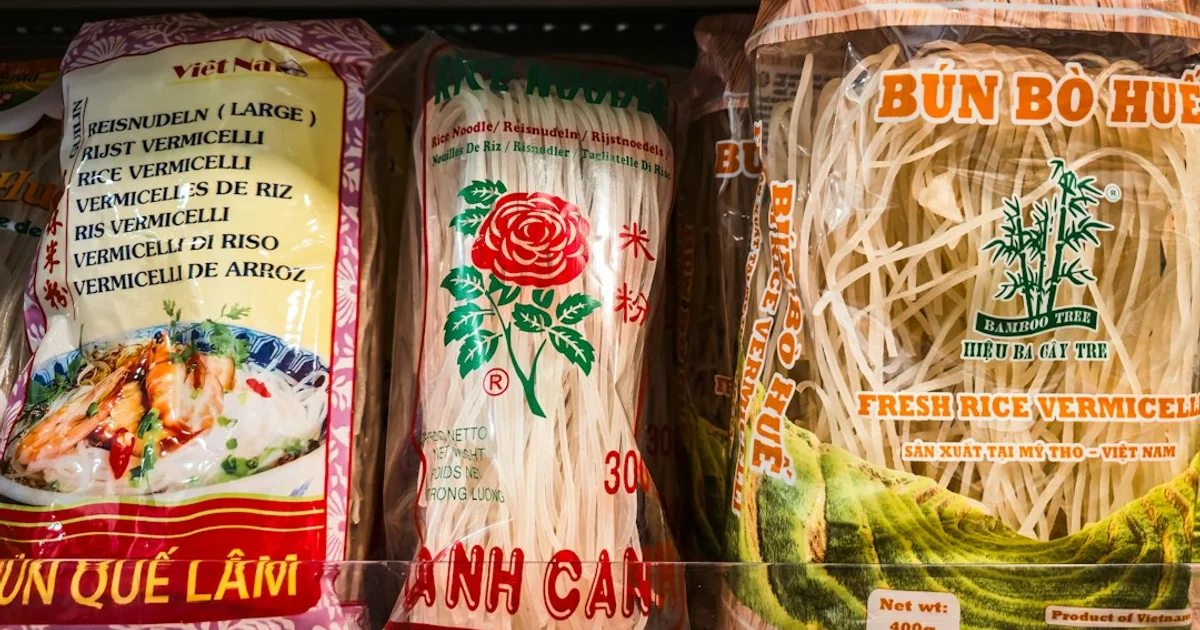
Vietnam's Five JAKIM-Recognised Halal Certifiers: What They Mean for Vietnamese Food in Malaysia
JAKIM's list effective 21 August 2026 recognises five Vietnamese halal certification bodies — HCA, HVN, VNH, VINAHIC and GHC — making Vietnam the third-largest source of recognised certifiers after Australia and Japan. Which logos count in Malaysia, and which do not.
Malaysia and Indonesia's Joint Halal Council: What Changes First for Cross-Border Products
Malaysia and Indonesia launched a bilateral halal council on 25 September 2026, chaired by BPJPH with Malaysia as secretary-general. It builds on a 2023 mutual-recognition agreement already in force. What is actually recognised today, what the council adds, and what the ASEAN Halal Council planned for 2027 would mean.
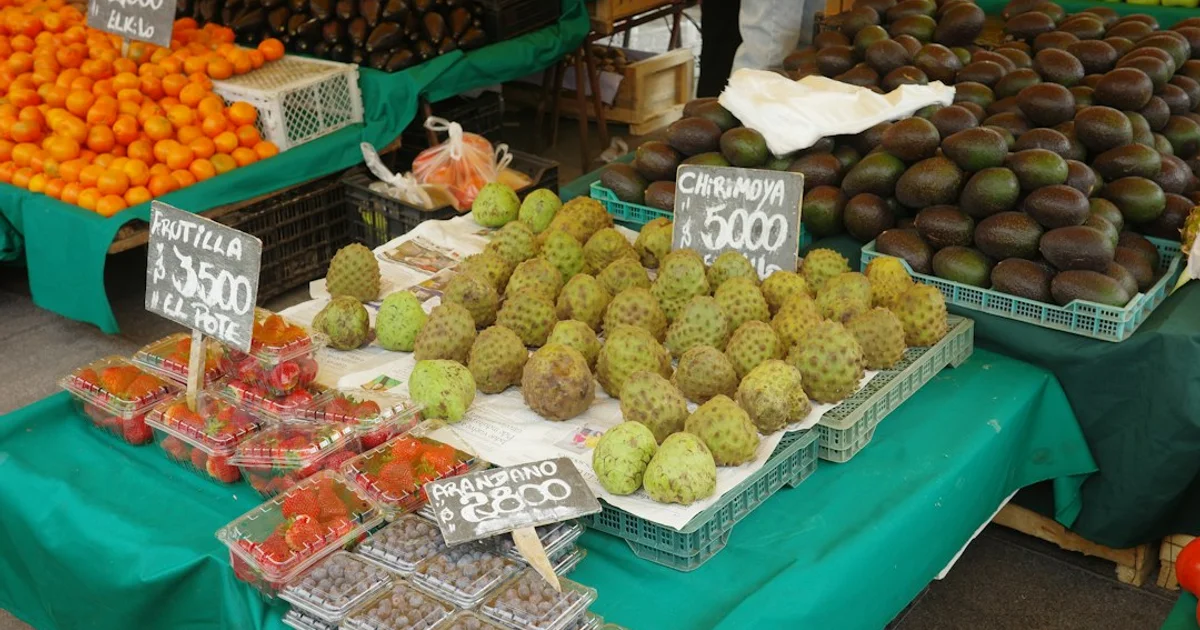
Indonesia's Halal Exemptions: 7 Categories That Need No Certificate (Decree 301/2026)
BPJPH Decree 301 of 2026 lists nine criteria and seven categories of products and ingredients exempt from Indonesia's mandatory halal certification — fresh produce, plain nuts, natural water, purified minerals and more. Exemption ends the moment another ingredient is added.
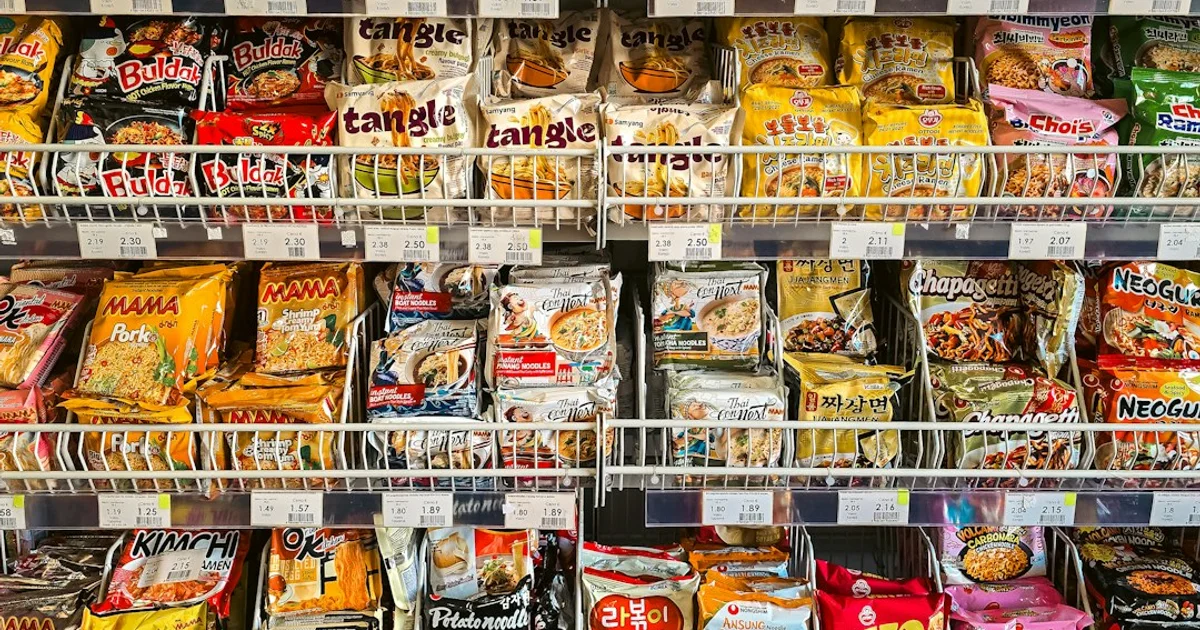
Indonesia's SJPH Explained: The Five Criteria Behind the Halal Indonesia Logo
Every purple Halal Indonesia logo means the producer runs a Halal Product Assurance System (SJPH) audited on five criteria: commitment, materials, process, products, and monitoring. What each one checks, and what the logo does not guarantee.
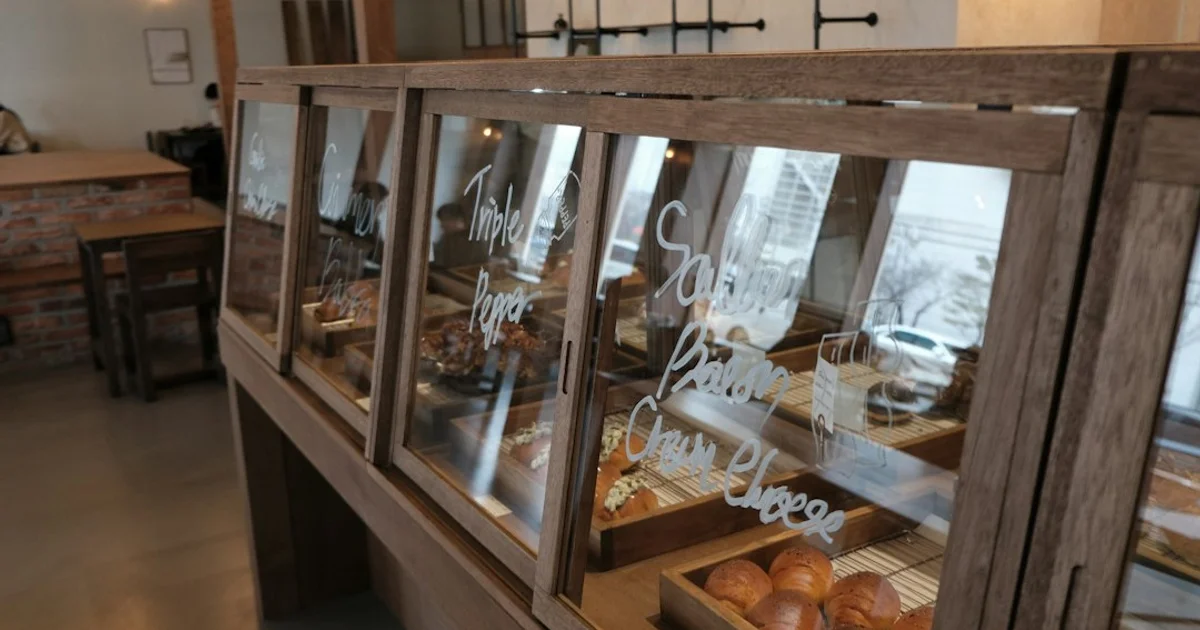
Paris Baguette Singapore Is MUIS-Certified: What Changed, and Why It Sold More Bread
All Paris Baguette outlets in Singapore have held MUIS halal certification since 13 February 2026, replacing the chain's earlier 'no pork, no lard' wording. The company credits certification for part of a 57% rise in loaf-bread sales after its Paran Label rollout. What the certificate covers, store by store.
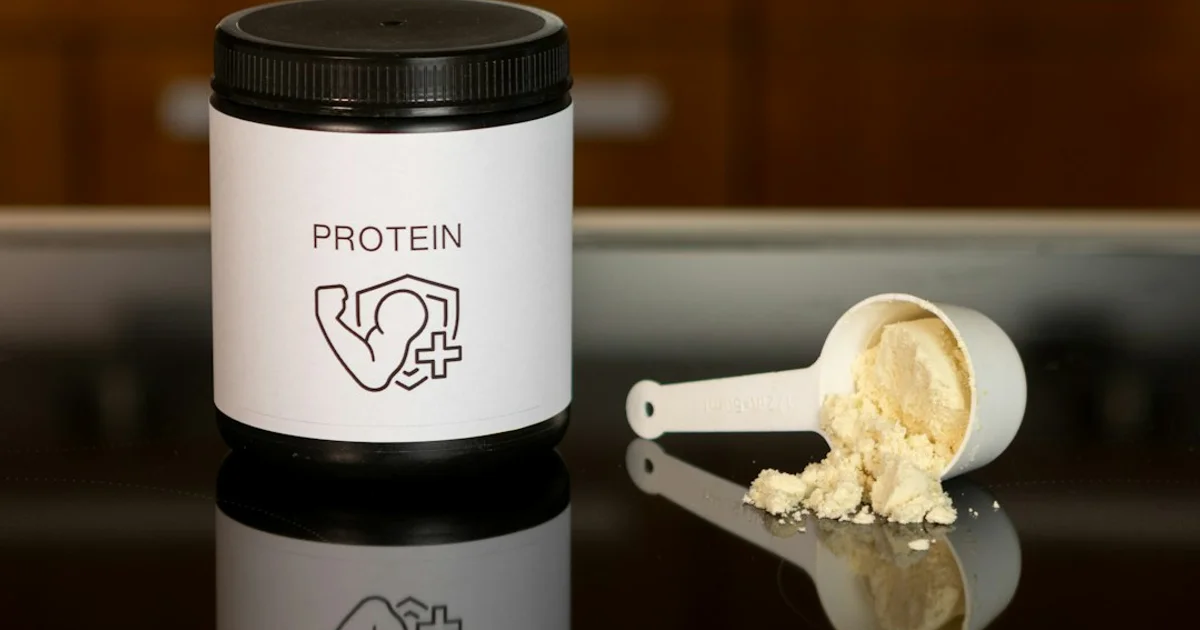
Optimum Nutrition Whey: Why a 'Halal Suitable' Email Is Not Certification
A support email calling Gold Standard Whey 'halal suitable' is a courtesy, not an audit. IFANCA's register lists two flavours, Double Rich Chocolate and Vanilla Ice Cream; ON's own 2023 help page says not certified; every other flavour is Mushbooh. What settles it is the register and the mark on the tub.
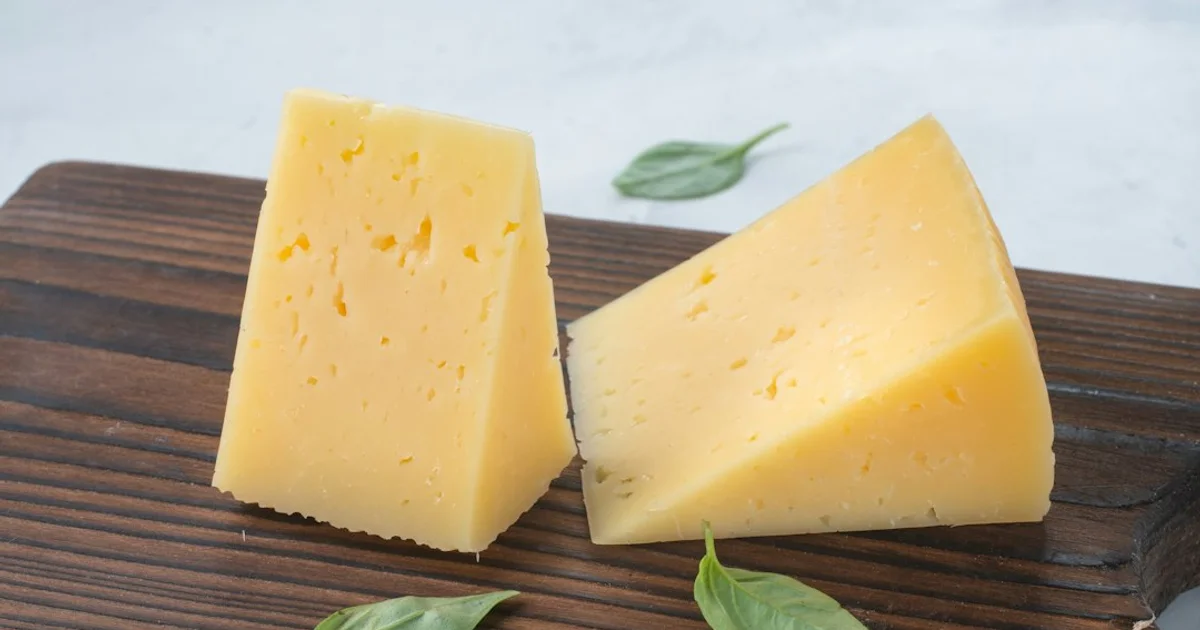
Tillamook's Halal Label: What It Certifies, and What the Boycott Got Wrong
Tillamook cheese carries a Certified Halal mark because it switched to fermentation-produced rennet in 2016. The label is not new, the recipe did not change, and one cheddar is excluded. Here is what the label covers.
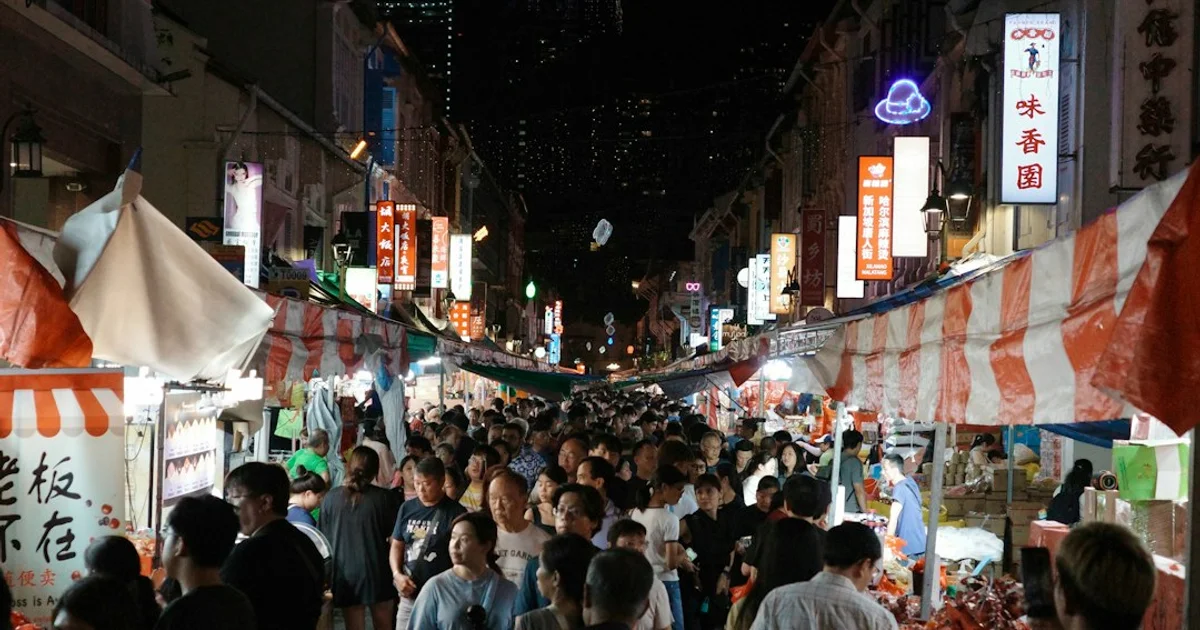
How to Search the MUIS Halal Database (and Why Imports Are Not In It)
MUIS runs two searches: one for Singapore eating establishments and one for products made in Singapore. Imported products are never in it; they rely on foreign certifiers MUIS recognises. Step-by-step guide with the legal background.
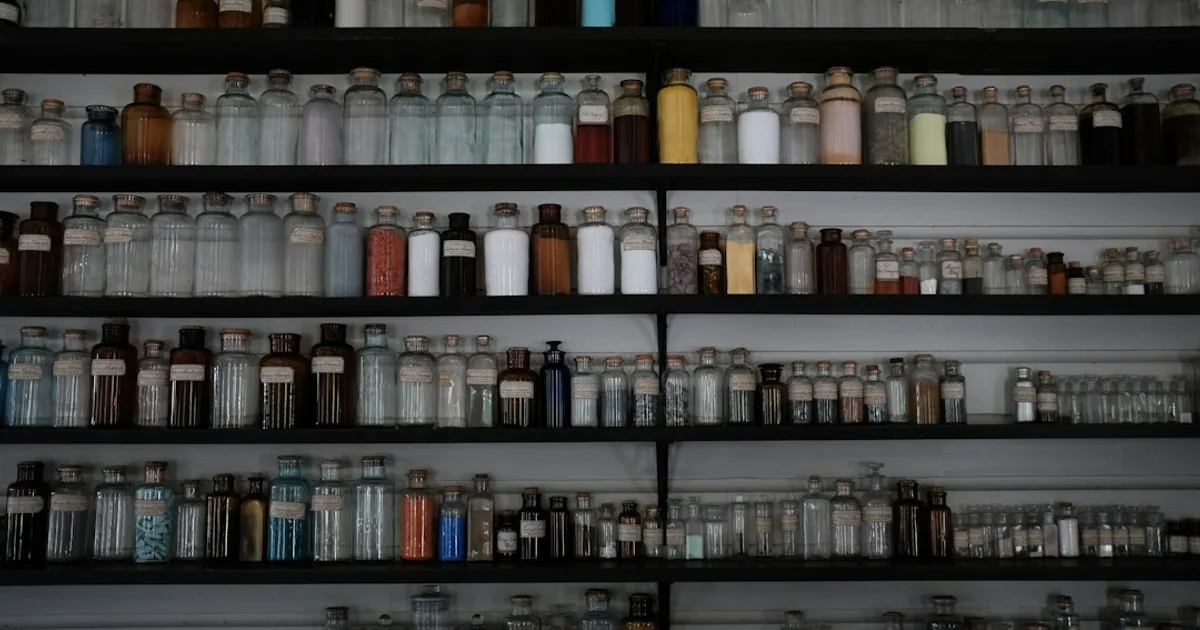
Is Milk of Magnesia Halal? Glycerin and the 0.45% Alcohol
Milk of Magnesia's active ingredient is a mineral. The halal question is the glycerin and the 0.45% alcohol in the flavoured bottles — and one flavour avoids both.

How to Verify an HFA Halal Certificate (There Is No Public Search)
The Halal Food Authority publishes no searchable register. To verify an HFA claim you ask the brand or outlet for the current certificate, check its dates and scope, or use a chain's own published list. Here is the step-by-step.
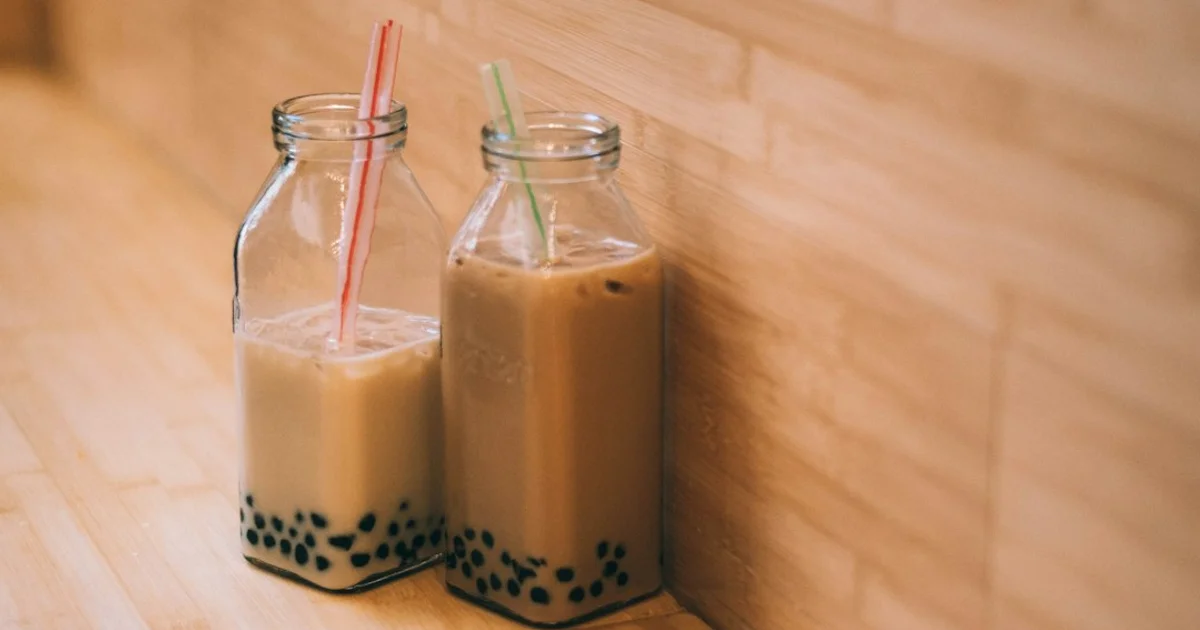
Is KOI Thé Halal? Certified in Bangladesh, Not in Singapore or Malaysia
KOI Thé's halal status varies by country. Its Bangladesh outlets were certified by the Islamic Foundation on 1 October 2026; in Singapore KOI states it holds no MUIS certification, and in Malaysia it has said it has no JAKIM certificate. Country-by-country verdict.
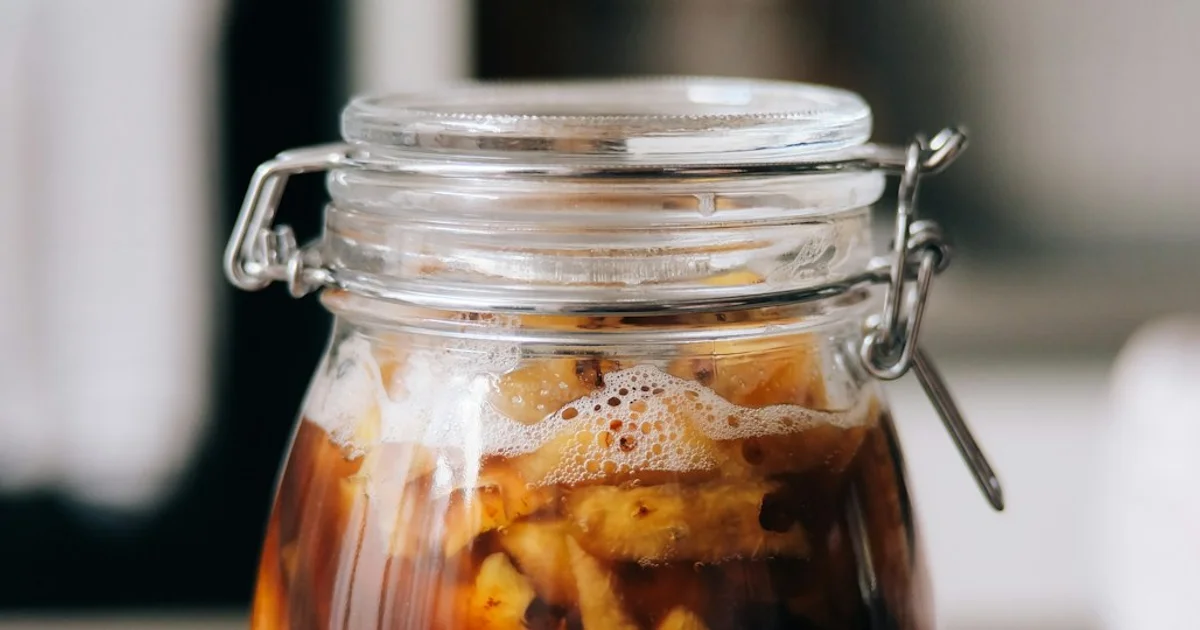
Is Tepache Halal? Fermented Pineapple and the Alcohol Question
Tepache is Mushbooh. Home-brewed tepache ferments to 0.5–2% alcohol or more, which fails the intoxication test; canned 'non-alcoholic' tepache under 0.5% sits in the same contested space as kombucha.
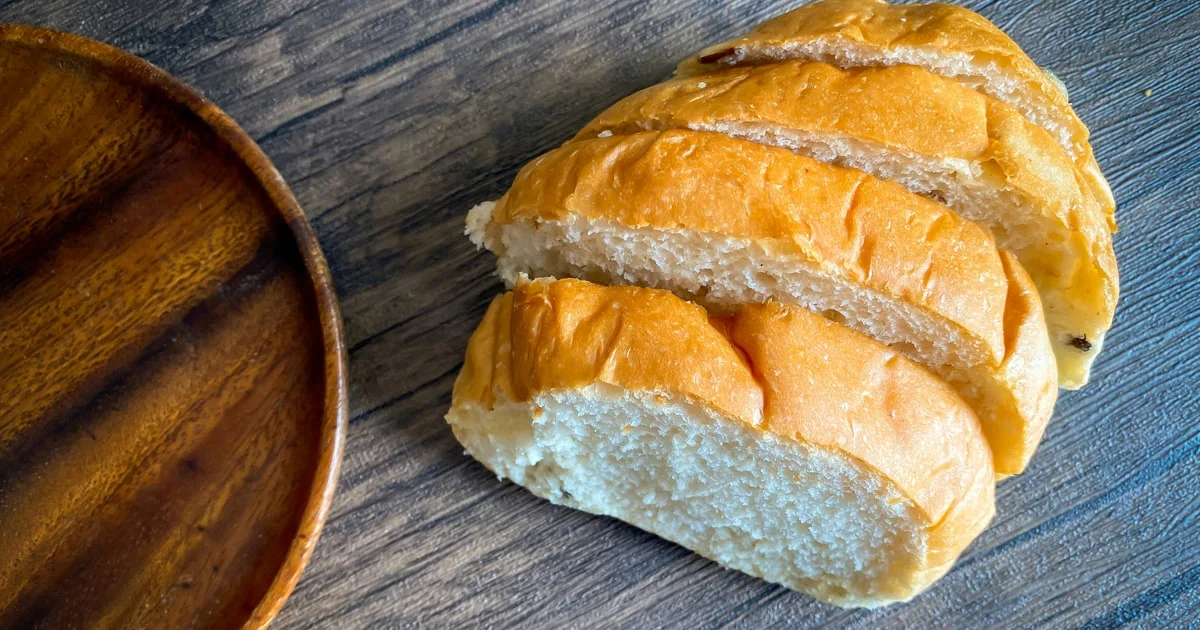
Halal Bakery and Bread in the Philippines: Gardenia Is Certified, But Not by JAKIM
Gardenia Philippines holds product-level IDCP certification with identity numbers you can check. The JAKIM certificate people cite belongs to a different company in Malaysia. And one Filipino maker uses vegetable shortening in its bread and lard in its piaya.
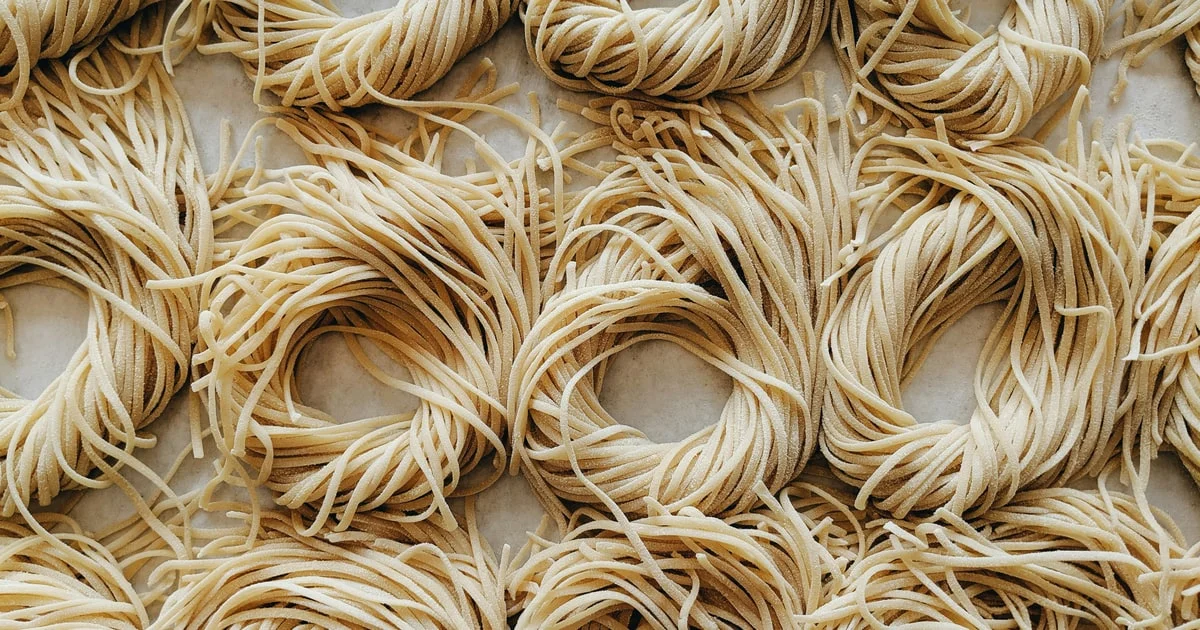
Halal Instant Noodles in Ireland: Nissin Says No, Samyang and Nongshim Have Certificate Numbers
Nissin's European arm states in its own FAQ that its products are not halal. Samyang and Nongshim hold Korea Muslim Federation certificates you can look up by number. And most mainstream chicken and beef flavours contain no meat at all.
Halal Bakery and Bread in New Zealand: Two Different Companies Called Tip Top
New Zealand's leading halal certifier does not list a single packaged bakery brand, and its processed food directory returns zero companies. Meanwhile the Tip Top on your bread bag and the Tip Top in your freezer are different businesses with different answers.