
Our Story
Halal food intelligence,
for every Muslim consumer
HalalCodeCheck is a consumer halal food intelligence platform — making halal food verification as accessible as reading a nutrition label.
Why We Built This
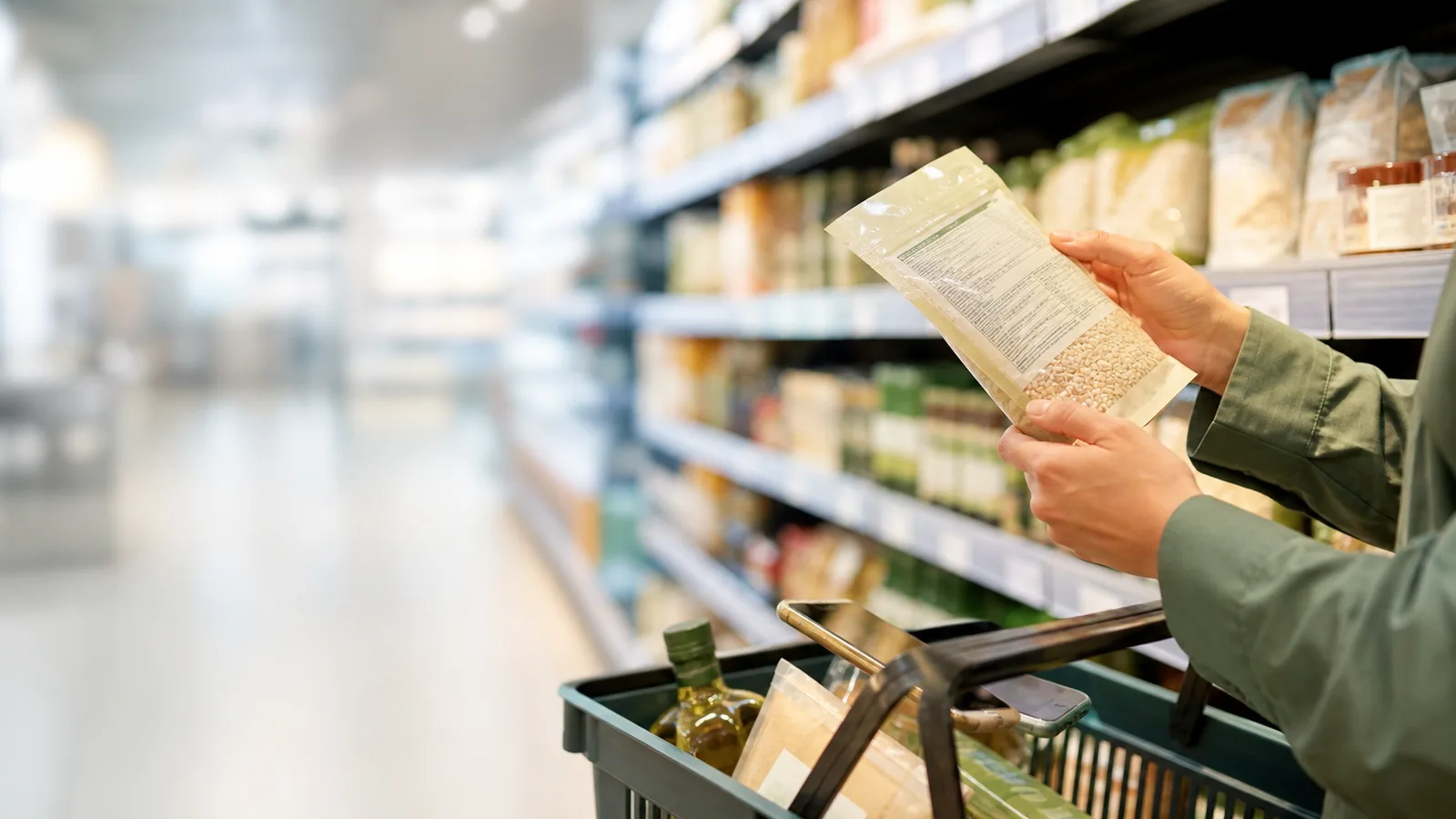
It started with a simple question in a supermarket aisle: "Is E471 halal?" A quick search turned up conflicting answers across five different websites — some outdated, some without sources, some just wrong. After fifteen minutes of searching, the answer was still unclear.
That experience is not unique. It happens whenever a Muslim consumer is trying to make a decision at a supermarket, restaurant, or food counter. The information exists, but it is scattered, inconsistent, and often difficult to apply to the product in front of you.
The information is often split between ingredient databases, brand statements, certification registers, and scholarly sources. The difficult part is connecting those pieces — and explaining why an ingredient or product receives a particular assessment.
HalalCodeCheck was built to solve that. Not as another basic E-code lookup — but as a genuine food intelligence platform that gives Muslim consumers the same quality of information they deserve.
The Problem
Every time a Muslim shops, they face the same question: is this halal? But the challenge looks completely different depending on where you are.
EU: Cryptic E-Codes
Hundreds of additives hidden behind E-numbers. Is E471 halal? What about E120? Most people don't know — and most databases are incomplete.
Hundreds of codes. The harder question is what they come from.
US & Canada: Ingredient Names
No E-codes here — just long ingredient lists most people can't decode. Is "mono and diglycerides" halal? What about "L-cysteine"?
The same ingredient can appear under different names by market.
UK: Meat Certification Marks
Halal meat in the UK comes with certification marks and facility information that can be difficult to interpret. What does HMC vs HFA mean for your family?
Certification rules differ by body, facility, and market.
Cosmetics: Hidden Ingredients
Animal-derived ingredients hide in plain sight in skincare, makeup, and personal care products — under names most people have never heard of.
Ingredient names can conceal animal-derived sources.
That's the gap we're working to close.
Good halal tools exist, and some do parts of this better than we do. We built HalalCodeCheck to focus on the gaps between them — a tool that works wherever you are, whatever you're buying — food, meat, or cosmetics — without compromising your privacy.
The Muslim community deserves tools built with them — not at them.
What We Are Building
HalalCodeCheck is not a lookup table. It is a food intelligence platform — and we are building it piece by piece.
Ingredient Intelligence
360+ E-codes and ingredient names with source-aware verdicts — halal, haram, or mushbooh — with explanations, not just colours.
Product Verification
Brand and product-level verification — so you can check the actual product, not just look up an ingredient in isolation.
Certification Transparency
Clear information about what certification bodies (HMC, HFA, JAKIM, MUI) actually mean — so you can trust the logo on the label.
Meat Facility Lookup
A guide to UK halal meat standards, slaughter codes, and which facilities are certified by which bodies — and what that means for consumers.
Consumer Halal Research
In-depth guides and explainers that go beyond "is this halal?" — covering fiqh context, sourcing practices, and what to look for on labels.
Food Industry Insights
Trends, data, and analysis from Muslim consumer food searches — helping the community and the industry understand what matters.
Business & Compliance Resources
Certification guides, cost breakdowns, and compliance information for food businesses, manufacturers, and exporters navigating halal standards.
How We Classify
Every verdict is based on established Islamic dietary principles, cross-referenced with recognised certification bodies and scholarly sources.
Permissible on the available evidence. The source is identified or the ingredient is clear under the stated principles.
Doubtful. The ingredient may be halal or haram depending on its source, and available evidence does not resolve the ambiguity.
Forbidden on the available evidence. Derived from a prohibited source or intrinsically impermissible under Islamic dietary law.
Some entries are marked Unknown when the evidence is not sufficient to issue a responsible verdict. Product assessments can also vary by market, formulation, and certification status.
Beyond the Shopping Aisle
The confusion doesn't stop at the checkout. The same tangle of certification marks, regional rules, and inconsistent standards that frustrates a shopper also slows down the manufacturers, certifiers, and exporters trying to serve them.
We're building for that side of the halal economy, too.
A restaurant owner trying to make sense of HMC vs HFA. A manufacturer figuring out what Indonesia or the UAE requires before they can export. A certification body whose standards keep getting misquoted online. They're asking a version of the same question we started with — just from the other side of the counter.
Our Halal Certification Guide applies the same evidence-first approach we use for E-codes and ingredients — costs, process, and requirements — to certification and compliance.
Explore the Halal Certification GuideThe Vision
Our goal is to make halal food verification as accessible as nutrition information. Every packaged food carries a nutrition label — a clear, standardised breakdown of what's inside. There is no reason halal verification should be harder to access.
We are building toward a world where any Muslim consumer — anywhere, in any supermarket — can instantly understand what is in their food and whether it meets their standards.
Faith-respecting. Privacy-first. Built for the whole Muslim world.
Start Verifying Today
Scan a product label or search an ingredient to see how HalalCodeCheck can help.