
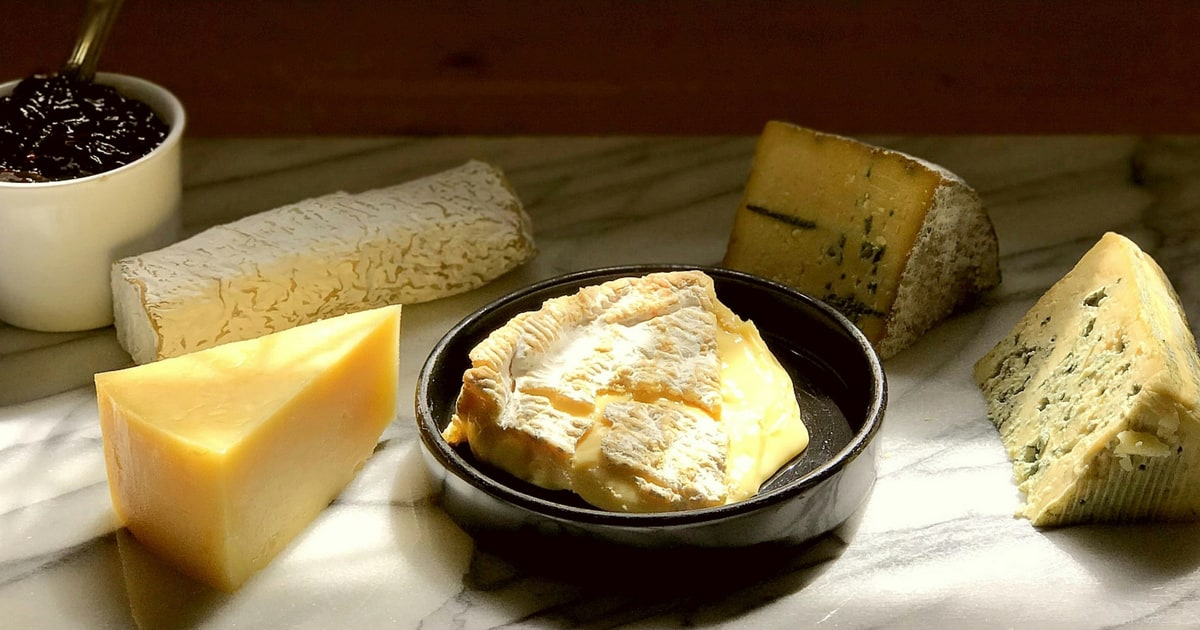
Cheese is widely misunderstood in halal food conversations. Because it contains no meat, many assume it is automatically permissible. The critical variable is rennet — the enzyme used to set the milk into curds — and its source determines whether any given cheese is halal, Mushbooh, or Haram.
The Rennet Question
Rennet causes milk proteins to coagulate into curds. Without it you cannot make most hard or semi-hard cheeses. There are four types in commercial use:
| Rennet Type | Source | Halal Status |
|---|---|---|
| Animal rennet | Calf / goat / lamb stomach lining | Mushbooh/Haram if non-zabiha |
| Microbial rennet | Mould cultures | Halal |
| Vegetarian rennet | Plant enzymes | Halal |
| FPC (fermentation-produced chymosin) | GMO yeast/fungus | Halal (majority view) |
Traditional European cheese used animal rennet. Modern commercial production has shifted heavily toward microbial and FPC rennet — which actually benefits halal consumers, because the majority of mass-market supermarket cheese in the UK now uses non-animal rennet.
How to Check Your Cheese
✓ “Suitable for vegetarians” on the label — vegetarian certification means the rennet is not from animal sources. This is the most reliable practical shortcut in UK supermarkets.
✓ “Microbial rennet” or “vegetable rennet” stated — directly confirms a halal-safe coagulant.
✗ “Animal rennet” stated — Mushbooh unless there is also a halal certification mark.
✗ No rennet information, no vegetarian label — treat as Mushbooh and contact the manufacturer if necessary.
Cheese Types by Typical Rennet Practice
Lower Risk (Usually Microbial/Vegetarian)
- UK supermarket Cheddar — most own-brand Cheddar (Tesco, Sainsbury’s, Cathedral City) uses microbial rennet and is vegetarian-labelled
- Mass-market Mozzarella — supermarket block and shredded mozzarella is typically vegetarian-certified
- Cream cheese (Philadelphia, own-brand) — microbial rennet, generally vegetarian
Higher Risk (Often Animal Rennet)
- Traditional Emmental / Gruyere — historically animal rennet; some producers use microbial but labels rarely specify → Mushbooh unless labelled vegetarian
- Parmigiano-Reggiano (PDO) — PDO rules require veal calf rennet → Mushbooh
- Pecorino Romano (PDO) — requires lamb stomach rennet → Mushbooh
- Traditional Roquefort / French artisan blues — typically animal rennet → Mushbooh
- Artisan Brie / Camembert — often animal rennet → check label
Processed Cheese: Extra E-Code Concerns
Processed cheese (slices, spreads, sauces) adds emulsifiers and stabilisers beyond rennet:
| E-Code | Name | Status |
|---|---|---|
| E471 | Mono- and diglycerides of fatty acids | Mushbooh (source undisclosed) |
| E331 | Sodium citrates | Halal |
| E339 | Sodium phosphates | Halal |
| E160a | Beta-carotene | Halal |
E471 in processed cheese carries the same Mushbooh concern as in chocolate — the fat source is not declared without certification. Even if the rennet is microbial, E471 keeps the product in Mushbooh territory.
Verdict by Cheese Type
| Cheese | Rennet | Verdict |
|---|---|---|
| UK supermarket Cheddar (vegetarian label) | Microbial | Halal |
| Supermarket Mozzarella (vegetarian label) | Microbial | Halal |
| Parmigiano-Reggiano | Animal (calf, PDO required) | Mushbooh |
| Traditional Emmental / Gruyere | Often animal | Mushbooh — check label |
| Roquefort, artisan Brie | Animal | Mushbooh |
| Processed cheese slices (no cert) | Microbial + E471 | Mushbooh (E471) |
| Any cheese with halal certification | Audited | Halal |
The Practical Rule
“Suitable for vegetarians” on UK/EU cheese = non-animal rennet = halal-safe coagulant.
This single label check covers the rennet concern for the vast majority of supermarket cheese. For processed cheese, additionally watch for E471. For artisan and traditional European cheeses without a vegetarian label — Parmesan, Gruyere, Roquefort — treat as Mushbooh and verify with the producer directly.
For E-codes in dairy more broadly, see our halal ice cream Indonesia guide.
Ingredients change. Be first to know.
Brands reformulate without warning. We track every E-code update and halal certification — one short weekly email.
Related Articles
 E-Code Guides
 Which Foods Contain E471? A Category-by-Category Halal Guide (2026)
E471 turns up in chocolate, biscuits, bread, ice cream, spreads, instant noodles and protein bars. Here is a category-by-category breakdown of where it hides and which certified alternatives exist.
 E-Code Guides
 E470b Magnesium Stearate: The Supplement Ingredient You Need to Check
E470b magnesium stearate is Mushbooh — the stearic acid component can be animal-derived (often pork). Critical check for supplement capsules.
 Shopping Guides
 Halal Ice Cream and Dairy in New Zealand: Tip Top Labels It, But Nobody Names the Certifier
Tip Top tags 24 of its 73 products halal certified on its own site and runs a separate gelatine-free filter. Kāpiti does the same. Neither names a certifier, and FIANZ publishes no dairy client list. Here is what that gap means for a shopper.