
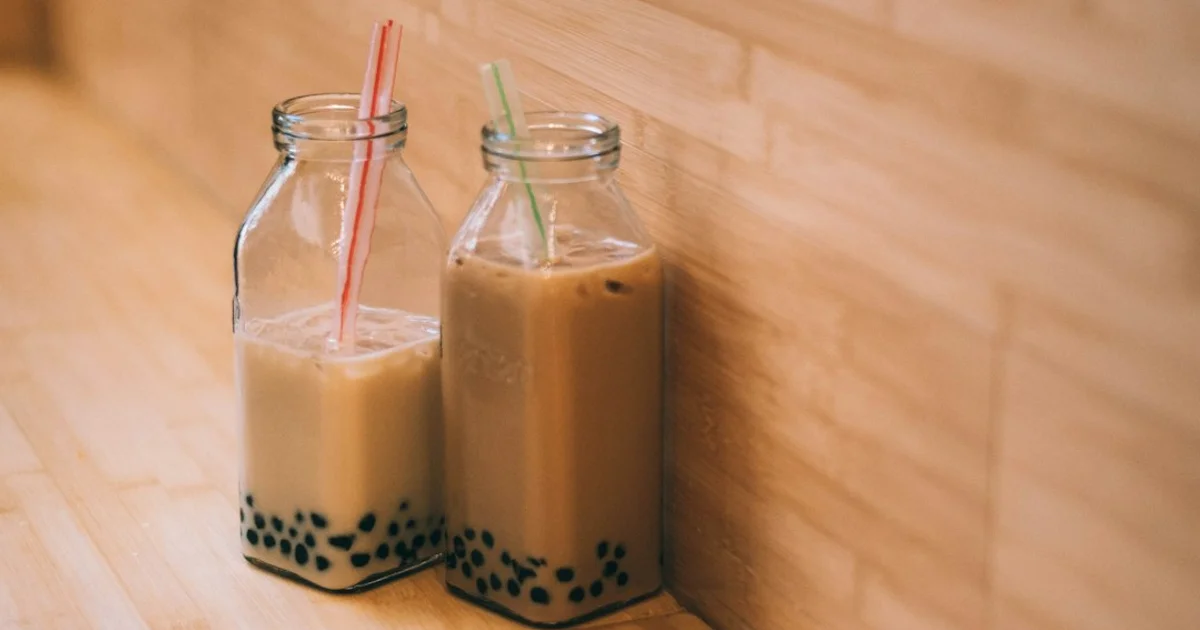
Same brand, same golden bubbles, three different answers. KOI Thé is certified halal in Dhaka, uncertified in Singapore by its own account, and uncertified in Kuala Lumpur by its own account. A chain’s halal status is set per country and per certifier, and KOI is a clean illustration of why the brand name tells you nothing.
KOI Thé is halal-certified in Bangladesh and Mushbooh everywhere else we checked. Here is the evidence for each.
Bangladesh: certified, 1 October 2026
On 1 October 2026 The Bangladesh Monitor reported that KOI Thé Bangladesh had received halal certification from the Halal Certification Department of the Islamic Foundation, the government religious body under Bangladesh’s Ministry of Religious Affairs. The certificate was granted after the Foundation’s certification authority reviewed the relevant product documents and ingredients.
KOI’s Bangladesh outlets, in Gulshan, Banani, Uttara, Dhanmondi and Centrepoint in Dhaka, serve its tea-based range including the Hojicha and Black Sesame lines. The company said the certification adds an externally verified standard to its existing product information and reflects a focus on transparency as it expands.
Two notes on reading that:
- It is a named certifier with legal standing. The Islamic Foundation is the body Bangladesh’s halal certification rules designate; this is certification in the sense this site uses the word, not a self-declaration.
- The reported basis is a document and ingredient review. The report does not describe an outlet audit. Whether the Islamic Foundation’s process also inspects premises is not stated; for a beverage chain where the halal questions are in the ingredients, a documented ingredient review is the core of the check.
Singapore: not certified, by KOI’s own statement
Singapore is where most English-language searches about KOI’s halal status come from, and the answer is unusually clear because the company says it itself. KOI’s Singapore menu site states that KOI is not officially halal-certified and advises customers with dietary concerns to check with staff. In a customer reply quoted by halal-focused Singapore sites, KOI said that none of its establishments are halal-certified and that its beverages cannot be described as halal-certified, while stating that its ingredients are plant or fruit based apart from dairy, with no alcohol and no animal-derived gelatine.
MUIS has not certified KOI; it does not appear in the MUIS halal establishments directory, which is the only register that counts in Singapore, as our MUIS database guide explains.
What KOI’s statement is worth: it is a manufacturer ingredient statement, which rules out the obvious. What it is not worth: it is not an audit of the syrups, the pearls’ glazes, the creamers’ emulsifiers or the flavour carriers. In Singapore, KOI Thé is Mushbooh. Nothing haram is declared; nothing has been independently verified.
Malaysia: no JAKIM certificate, by KOI’s own statement
KOI Thé Malaysia has addressed the question publicly at least once, in the context of a game-collaboration promotion. The company said the business itself lacked halal certification while the ingredients used were certified, then clarified that its ingredients carry halal certification in their countries of origin but that it had yet to obtain a JAKIM halal certificate in Malaysia. We could not establish the date of that statement, and we found no JAKIM certificate for KOI Thé Malaysia in October 2026.
Under Malaysia’s Trade Descriptions (Certification and Marking of Halal) Order 2011, an outlet cannot describe itself as halal without JAKIM or a recognised certifier, which is why KOI Malaysia’s wording is careful. In Malaysia, KOI Thé is Mushbooh, on the same reasoning as Singapore. Our guide to what JAKIM certifies covers the register to check for any change.
Country-by-country
| Country | Certifier | Status | Basis |
|---|---|---|---|
| Bangladesh | Islamic Foundation, Halal Certification Department | Halal (certified) | Certification announced 1 October 2026 after ingredient and document review |
| Singapore | None (MUIS not held) | Mushbooh | KOI states it is not certified; ingredient statement only |
| Malaysia | None (JAKIM not held) | Mushbooh | KOI states ingredients certified at origin, no JAKIM certificate |
| Taiwan, other markets | Not checked | Unknown | No statement located |
The four questions in any bubble tea
The tea is never the problem. These are:
| Component | What can go wrong | Resolved by |
|---|---|---|
| Tapioca pearls | Some recipes glaze or bind with gelatine; most are starch and sugar | Supplier spec |
| Jellies, puddings, toppings | Gelatine-set products; some use agar or carrageenan instead | Supplier spec |
| Syrups and flavourings | Alcohol-carried flavours; undisclosed-source additives | Supplier spec and carrier disclosure |
| Creamers and milk powders | E471 and similar emulsifiers of undisclosed origin | Supplier spec |
A certified outlet has had all four traced. KOI’s Singapore statement addresses alcohol and gelatine and is silent on emulsifiers and carriers, which is exactly the partial coverage that keeps a product Mushbooh rather than ingredient-verified.
How to check KOI, or any bubble tea chain, in your country
- Find the local certifier’s register: MUIS in Singapore, JAKIM’s Halal Malaysia portal, the Islamic Foundation in Bangladesh, and so on.
- Search the outlet, not the brand. Certification is per premises or per company-country, never global.
- If uncertified, ask for the ingredient statement and read what it leaves out. “No pork, no alcohol” covers two of four questions.
- Default to plain tea at an uncertified outlet if you want to avoid the toppings question altogether; brewed tea, water and sugar raise no halal issue.
Summary
| Question | Answer |
|---|---|
| Is KOI Thé halal in Bangladesh? | Yes; Islamic Foundation certification, announced 1 October 2026 |
| Is KOI Thé halal in Singapore? | Not certified; KOI says so itself. Mushbooh |
| Is KOI Thé halal in Malaysia? | No JAKIM certificate per the company. Mushbooh |
| Does the Bangladesh certificate help elsewhere? | No; certification is per country and per certifier |
| What would resolve the doubt? | MUIS or JAKIM certification, or a full supplier disclosure covering emulsifiers and flavour carriers |
Look up any E-code from a creamer or syrup label in the E-codes database.
To scan a full ingredient list for halal status in seconds, use the ingredient scanner.
For a worked example of a Singapore chain that did move from self-declaration to certification, see Paris Baguette Singapore; for a food-court operator with a mixed register, is Koufu halal?
How we reached this verdict
We checked the following sources before publishing:
- The Bangladesh Monitor, “KOI Thé Bangladesh secures halal certification” (1 October 2026): certification from the Halal Certification Department of the Islamic Foundation after review of product documents and ingredients; outlets in Gulshan, Banani, Uttara, Dhanmondi and Centrepoint; company statements.
- KOI Thé Singapore menu site (read October 2026): states KOI is not officially halal-certified and advises checking with outlet staff.
- KOI customer reply quoted by Singapore halal-focused sites: none of its establishments halal-certified; ingredients plant or fruit based apart from dairy, no alcohol, no animal gelatine. Treated as a manufacturer ingredient statement, not as certification.
- MUIS halal establishments directory: no KOI Thé entry located.
- KOI Thé Malaysia statements reported by GamerBraves (undated): business not halal-certified; ingredients certified in countries of origin; no JAKIM certificate yet obtained. No JAKIM entry located in October 2026.
- Trade Descriptions (Certification and Marking of Halal) Order 2011: the Malaysian rule on halal description.
- Sunni fatwa scholarship on the components at issue: gelatine of non-halal origin impermissible across the schools; undisclosed-source emulsifiers resolved by manufacturer disclosure under the Hanafi, Maliki and Shafi’i mainstream and by certification under the HMC-strict and Hanbali-leaning view; alcohol-carried flavourings tolerated in trace quantities by the Hanafi and Maliki mainstream and avoided by stricter readings.
Madhab note
- Gelatine in pearls or jellies from a non-halal-slaughtered animal: haram under all four schools; a minority view accepts transformed gelatine through istihāla, which is not the applied ruling in Singapore or Malaysia.
- Undisclosed-source emulsifiers in creamers: Mushbooh pending disclosure under every school; what resolves it differs (disclosure for the Hanafi, Maliki and Shafi’i mainstream; certification for the stricter view).
- Alcohol-carried flavourings: trace, non-intoxicating carriers tolerated by the Hanafi and Maliki mainstream; avoided under stricter Shafi’i and Hanbali readings and by HMC-aligned practice. KOI states no alcohol in its ingredients; the carrier question is not addressed by that statement.
Ingredients change. Be first to know.
Brands reformulate without warning. We track every E-code update and halal certification — one short weekly email.
Related Articles
 Brand Guides
Is ESN Halal? 30 Products Are Certified, the Production Line Is Not
ESN says its production is not halal certified but 30 products are: selected Designer Whey and Designer Bar flavours, creatine, the Perfect range and the vitamin stack. Collagen Peptides is beef-derived and not on the list, so it is Mushbooh at best. Verdict: Varies by product.
 Brand Guides
Paris Baguette Singapore Is MUIS-Certified: What Changed, and Why It Sold More Bread
All Paris Baguette outlets in Singapore have held MUIS halal certification since 13 February 2026, replacing the chain's earlier 'no pork, no lard' wording. The company credits certification for part of a 57% rise in loaf-bread sales after its Paran Label rollout. What the certificate covers, store by store.
 Brand Guides
Optimum Nutrition Whey: Why a 'Halal Suitable' Email Is Not Certification
A support email calling Gold Standard Whey 'halal suitable' is a courtesy, not an audit. IFANCA's register lists two flavours, Double Rich Chocolate and Vanilla Ice Cream; ON's own 2023 help page says not certified; every other flavour is Mushbooh. What settles it is the register and the mark on the tub.