
Posts Tagged "Label Reading"
Master the art of reading food labels to identify halal ingredients.
109 posts with this tag
Related Tags

Indonesia's October 2026 Halal Deadline: What It Means for Importers and Shoppers
From 17–18 October 2026 imported food, drink, cosmetics and supplements sold in Indonesia must hold halal certification registered with BPJPH. BPJPH says no extension. What is covered, what is exempt, how foreign certificates count, and why more US brands now carry IFANCA marks.
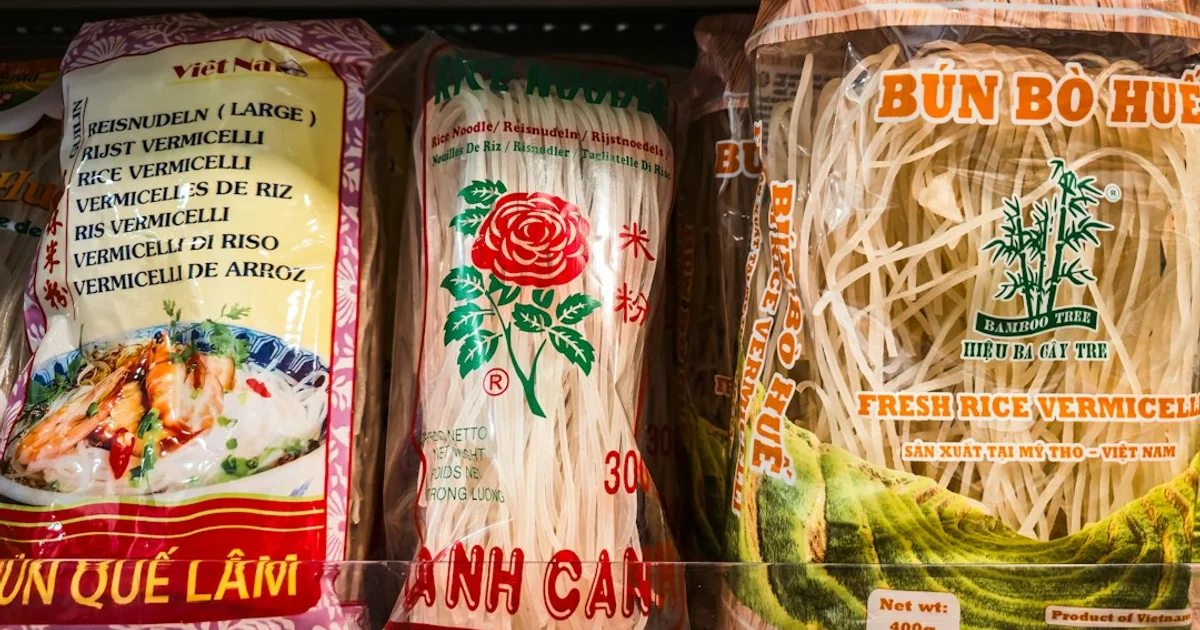
Vietnam's Five JAKIM-Recognised Halal Certifiers: What They Mean for Vietnamese Food in Malaysia
JAKIM's list effective 21 August 2026 recognises five Vietnamese halal certification bodies — HCA, HVN, VNH, VINAHIC and GHC — making Vietnam the third-largest source of recognised certifiers after Australia and Japan. Which logos count in Malaysia, and which do not.
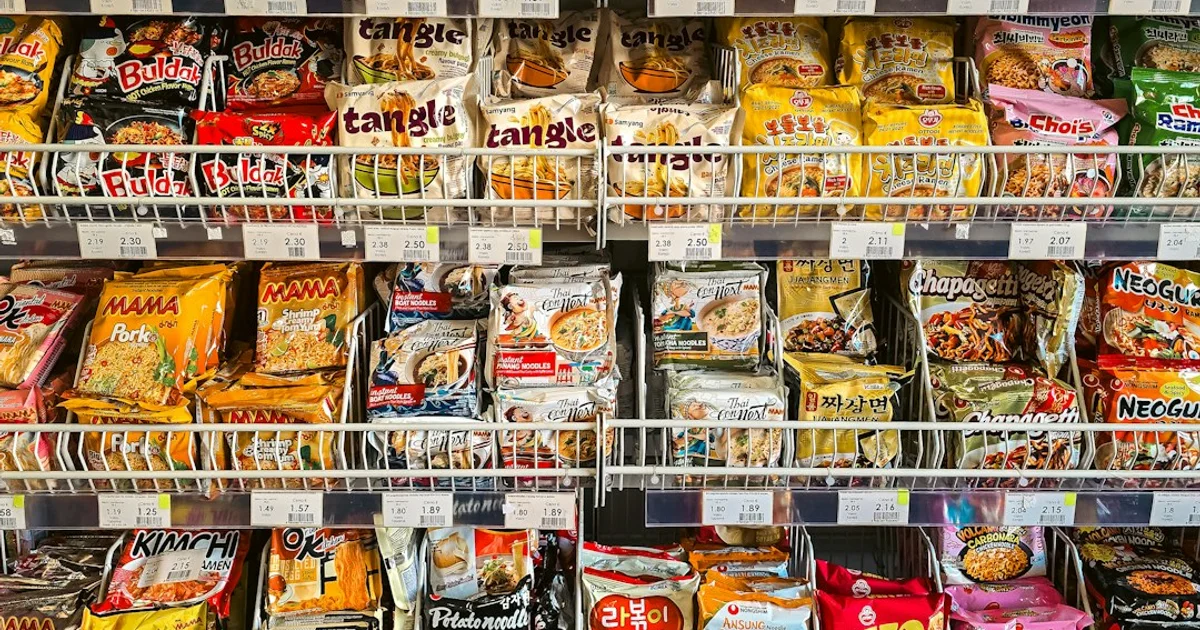
Indonesia's SJPH Explained: The Five Criteria Behind the Halal Indonesia Logo
Every purple Halal Indonesia logo means the producer runs a Halal Product Assurance System (SJPH) audited on five criteria: commitment, materials, process, products, and monitoring. What each one checks, and what the logo does not guarantee.
How to Search the MUIS Halal Database (and Why Imports Are Not In It)
MUIS runs two searches: one for Singapore eating establishments and one for products made in Singapore. Imported products are never in it; they rely on foreign certifiers MUIS recognises. Step-by-step guide with the legal background.
Is Milk of Magnesia Halal? Glycerin and the 0.45% Alcohol
Milk of Magnesia's active ingredient is a mineral. The halal question is the glycerin and the 0.45% alcohol in the flavoured bottles — and one flavour avoids both.
How to Verify an HFA Halal Certificate (There Is No Public Search)
The Halal Food Authority publishes no searchable register. To verify an HFA claim you ask the brand or outlet for the current certificate, check its dates and scope, or use a chain's own published list. Here is the step-by-step.
Halal Instant Noodles in Ireland: Nissin Says No, Samyang and Nongshim Have Certificate Numbers
Nissin's European arm states in its own FAQ that its products are not halal. Samyang and Nongshim hold Korea Muslim Federation certificates you can look up by number. And most mainstream chicken and beef flavours contain no meat at all.
Halal Bakery and Cakes in Spain: Mantecados Are Made With Lard, and Some Are Certified Anyway
Spain's most famous festive sweets are built on pork lard, which the name itself tells you. Several Andalusian makers reformulated with vegetable fat and hold Instituto Halal certificates. The big industrial bakery brands hold nothing.
Halal Dairy and Ice Cream in Poland: No Certified Ice Cream, and Why the Dairy Certificates Say Export
We found no halal-certified ice cream in Poland from any brand or any certifier. Koral, the country's largest maker, publishes its certificate register and there is no halal certificate in it. The dairy certificates that do exist are marked for export.
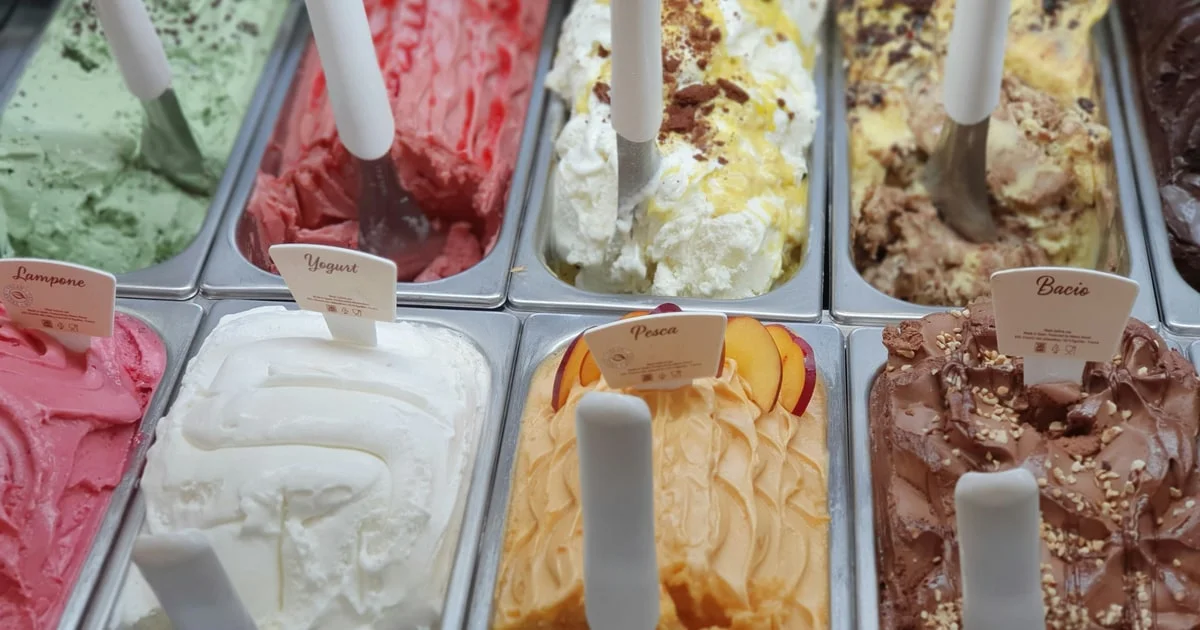
Halal Ice Cream and Dairy in South Africa: Why the Same Magnum Can Be Certified or Not
South Africa has the best halal documentation of any ice cream market. SANHA certifies Ola and Dairymaid, but its own product list marks imported Magnum pints and Cornetto multipacks as not halaal while the local formats are certified. Clover's status changed twice since 2024.
Halal Chocolate in Turkey: Why Ülker Has No GİMDES Certificate and What TSE Actually Means
Turkey has real halal certification infrastructure, and since June 2023 certifiers must be state-accredited. But two different bodies both brand themselves TSE, Ülker holds no GİMDES certificate, and Şölen's published certificate expired in July 2026.
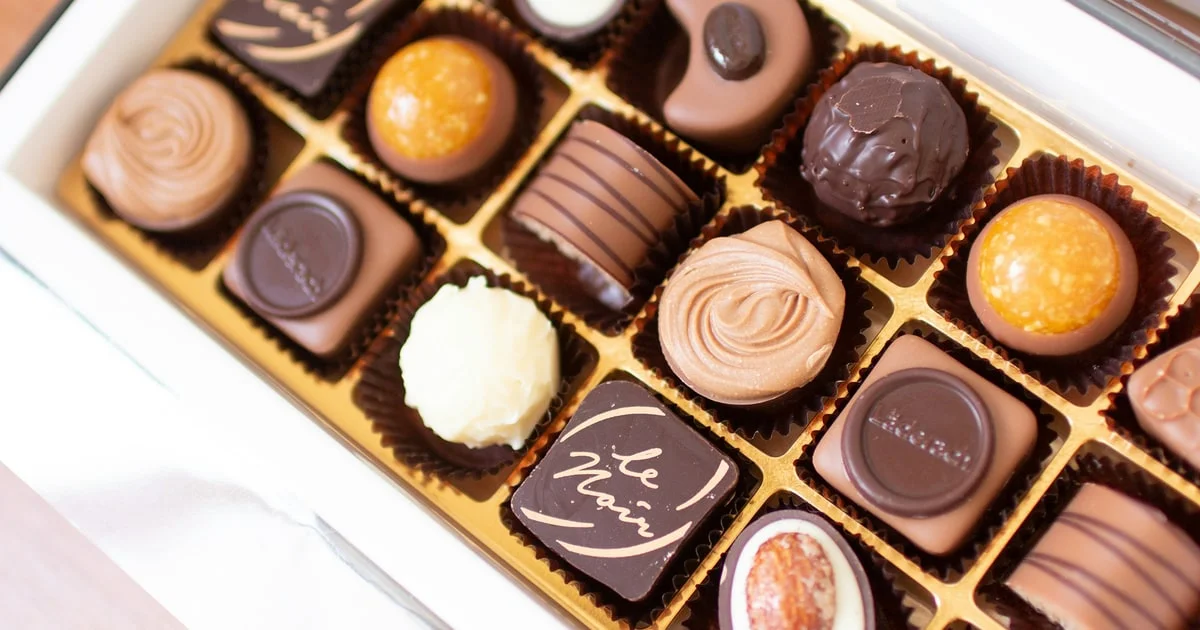
Halal Chocolate in Switzerland: Lindt, Frey, Toblerone and the Liqueur Praline Problem
No mainstream Swiss chocolate bar carries halal certification, and Lindt says so itself. The real Swiss issue is alcohol: kirsch and Marc de Champagne fillings are a whole supermarket category. Swiss packs must warn you, which makes them easier to read than most.
INS Numbers Explained: The E-Number System Under Another Name
INS numbers are the Codex Alimentarius naming system for food additives, used on labels in India, Australia, Malaysia, Singapore, Indonesia and the Gulf. INS 471 is the same additive as E471, and the halal question is identical. Here is how to read them.
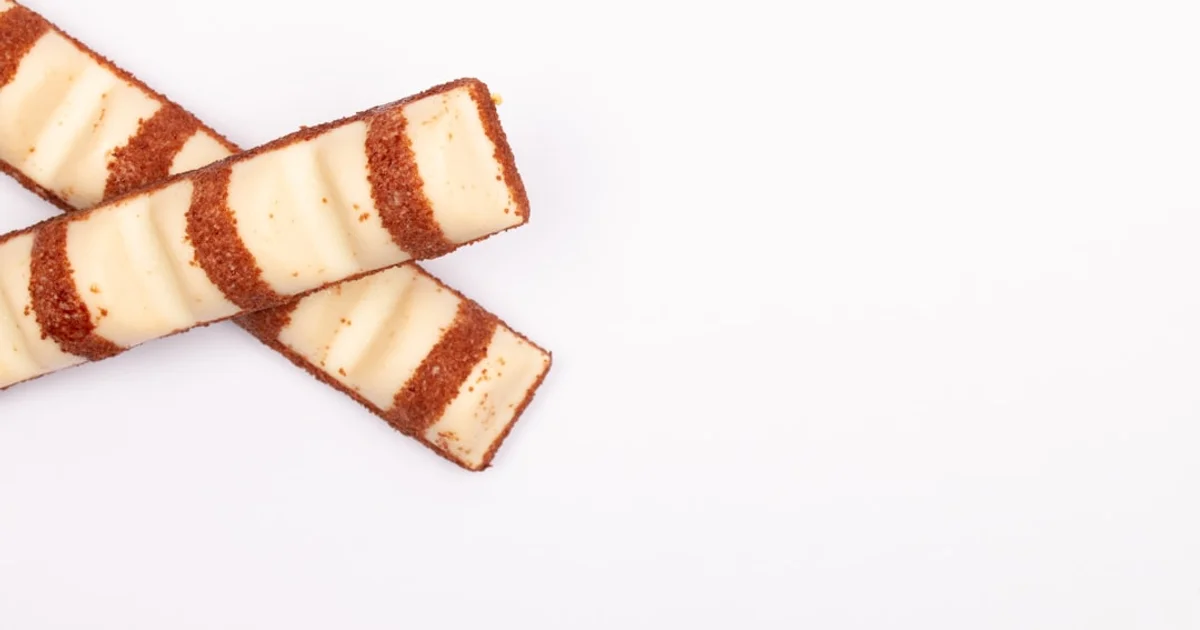
Is Roshen Konafetto Halal? Labelled Halal, No Gelatine (2026)
Roshen Konafetto is halal when the pack carries the Halal mark — US and Malaysian export packs do. No gelatine, E471 or E476. Unmarked packs: check the label.
Halal Shopping at BILLA Austria: Halal Spreads Yes, Halal Meat No (2026)
BILLA stocks halal-labelled chicken spreads from Argeta and Delicata, but fresh halal meat was withdrawn after public protest and has not returned. Here is what the BILLA and BILLA Plus shelves actually offer a halal shopper, what to read on own-brand Clever and Ja! Natürlich packs, and where Vienna's halal meat still comes from.
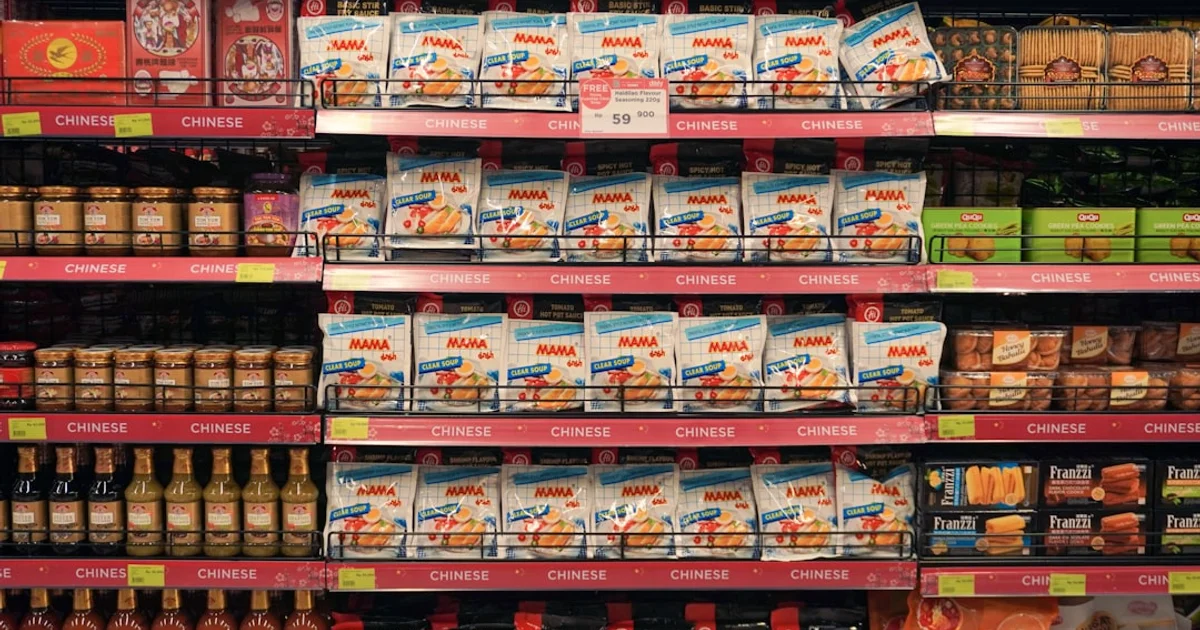
Halal Shopping at Albert Heijn: What the AH Halal Section Actually Is (2026)
Albert Heijn's halal section is a curated shelf of partner brands — Wahid, Marhaba, Silifke, Yayla and others — not an AH-certified range, and AH names no certifier. Own-brand AH products, including the caramel and chocolate lines readers search for, are outside it. Here is how to shop AH aisle by aisle.
Halal Sweets, Candy and Bakery in Japan: Reading ショートニング and 乳化剤 (2026)
No major Japanese snack or bread maker certifies its domestic products. Most konbini bread uses shortening and emulsifiers of undisclosed origin; only two Tokyo bakeries are fully certified. Here is the two-word label rule, the Muslim-friendly snack shortlist, and which candy is out.
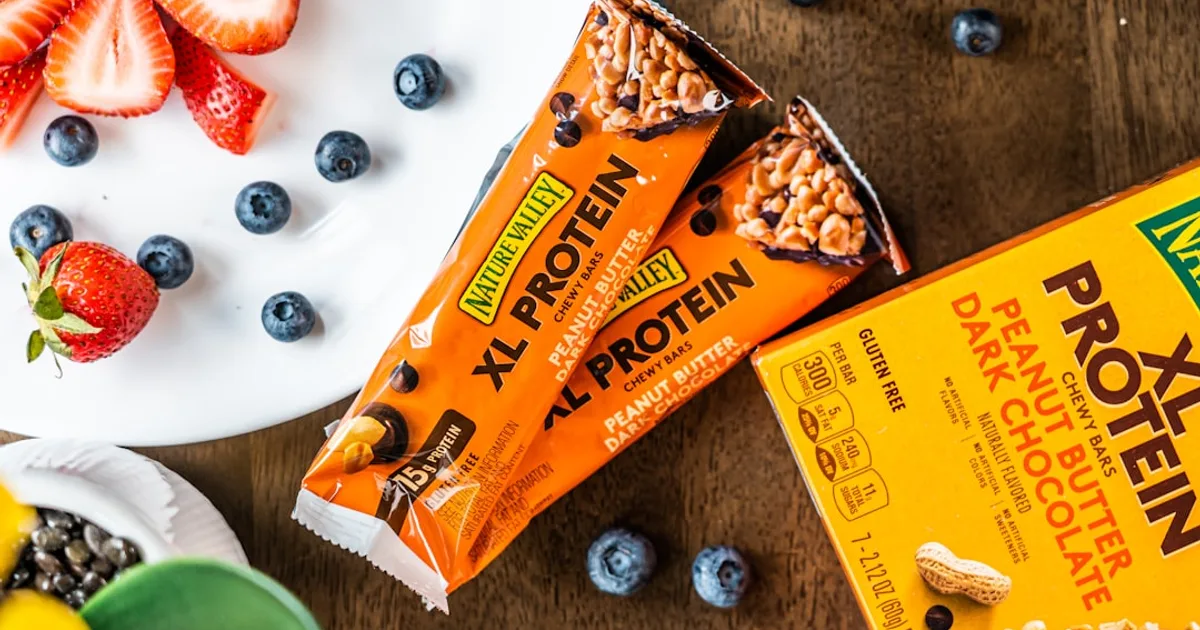
Are Protein Ice Bars Halal? California Ice, Orka Bar, Yasso Checked (2026)
Protein ice bars are mostly dairy and whey — no gelatine or E471 in the brands checked. Orka Bar's vanilla extract is the one flag. None of the major brands, including Yasso, hold halal certification.
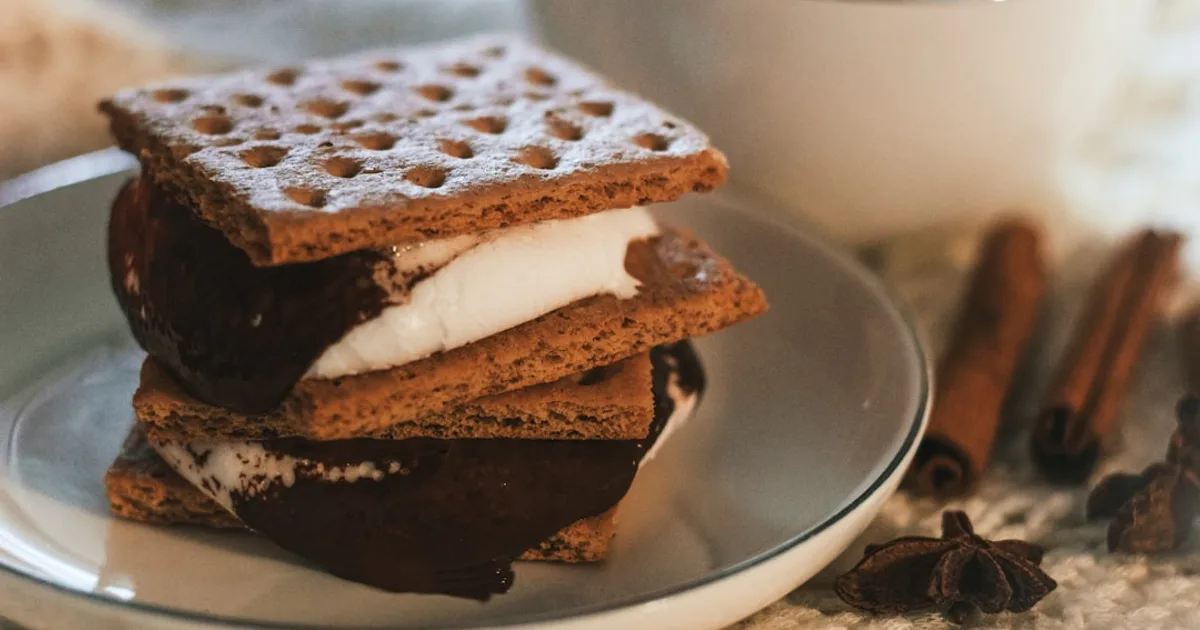
Are Graham Crackers Halal? Honey Maid Ingredients Checked (2026)
Honey Maid Graham Crackers contain no E471, no gelatine, and plant-based oil — a genuinely clean list. No halal certification exists, so this stays Mushbooh, not confirmed halal.
Halal Protein & Supplements in Austria: Brand Guide (2026)
ESN certifies 30 products but names no certifier, MyProtein's UK halal range doesn't reach myprotein.at, and Body Attack's halal claim has no proof behind it. What's actually verifiable for Austrian gym-goers.
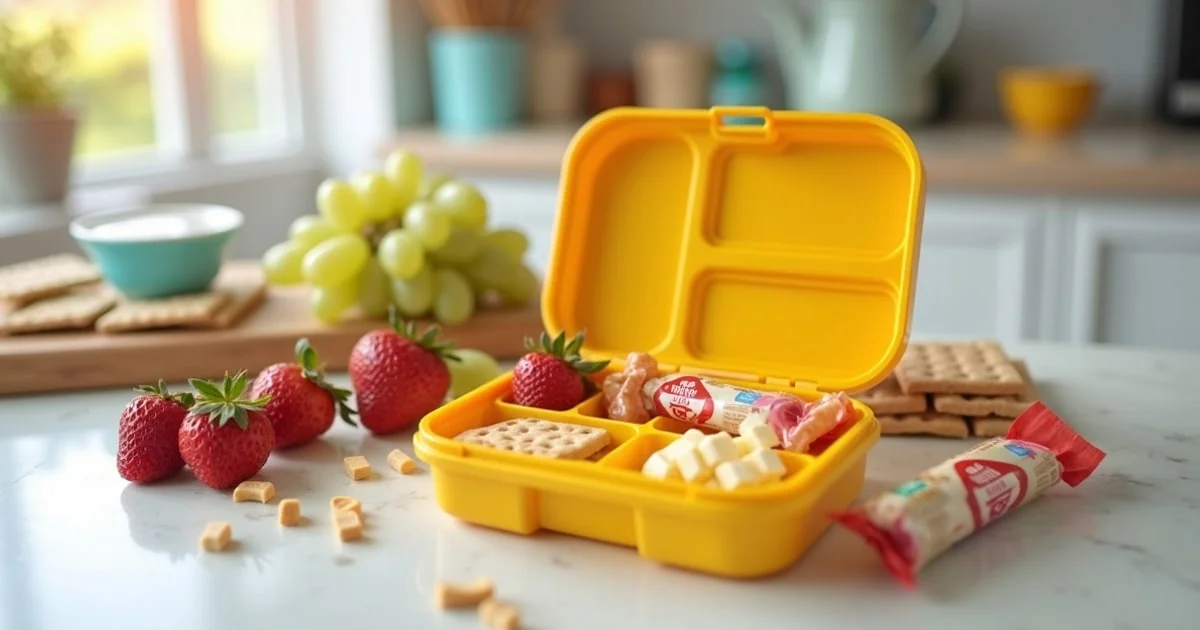
Halal School Snacks UK: 3 Label Checks Before You Buy (2026)
Three label checks — E441 gelatine, E120 carmine, E471 emulsifiers — catch most haram risks in UK lunchbox snacks. Here is what to look for, aisle by aisle.
GB Establishment Number Lookup — Check Any UK Meat Code Free
The GB number on UK meat packaging identifies the exact slaughterhouse. Type it into our free lookup to see if it is HMC certified, handles pork, or unverified.
Halal Shopping in Ireland: Tesco, Dunnes, SuperValu — What's Actually Available (2026)
Ireland exports halal-certified beef worldwide, yet Tesco Ireland's own policy confirms it sells no halal meat. Where Irish Muslims actually shop, which certifiers matter, and the label traps to know.
Is The Ordinary Multi-Peptide Eye Serum Halal? INCI Checked (2026)
The Ordinary's Multi-Peptide Eye Serum is PETA-certified vegan, alcohol-free, and its peptides are synthetic — permissible to use, though not halal-certified.
Halal Protein and Supplements in Belgium: QNT, Body&Fit and Who's Certified (2026)
Certified halal protein is easy to buy in Belgium — MyProtein's certified flavours, Bulk, ESN and Applied Nutrition. Belgian brand QNT claims halal but names no certifier.
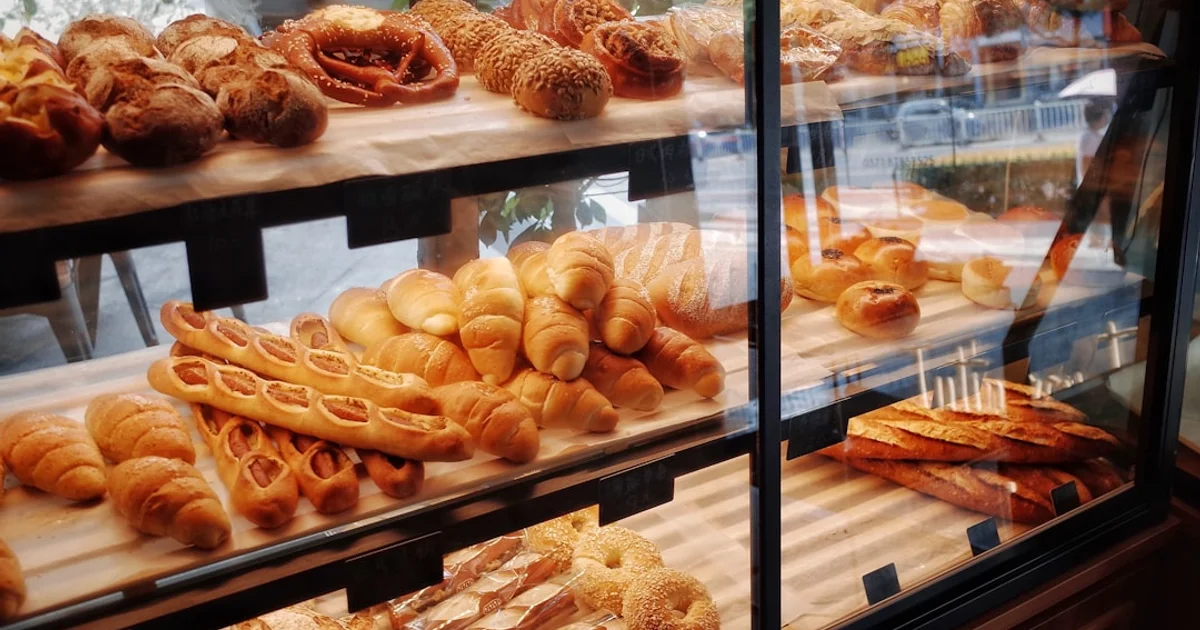
Halal Bakery and Cakes in Indonesia: BreadTalk, J.CO and the Rum Question (2026)
Most big Indonesian bakery chains are now BPJPH halal-certified — J.CO (2023), Dunkin' (2024), Paris Baguette (2026). Rum-flavoured cakes can never be. Chain-by-chain guide.
Halal Bakery and Cakes in the Netherlands: Stroopwafels, Gelatine and Which Shelf to Trust (2026)
Dutch supermarket cakes often use beef gelatine (HEMA, Albert Heijn), while Jumbo went plant-based and Daelmans stroopwafels are halal-suitable. Here's how Muslims read a Dutch bakery label.

Is Dog Food Halal? The Question Behind the Question
No halal-certified dog food exists — but the purchase rules are the same as cat food. The dog ownership rulings, the madhab split, and what Muslim dog owners can buy.
Haram Ingredients Hiding in Pet Food: A Label-Reading Guide
Pet food labels don't have to name the species behind 'animal derivatives'. Here's every haram flag on a pet food label — and how to read past the marketing.
Halal Claim Literacy: What the Text on Food Packaging Actually Means
Not all halal claims on food labels mean the same thing. This analysis breaks down six types of halal-related statements on packaging — from certified to meaningless — and what each one actually guarantees.
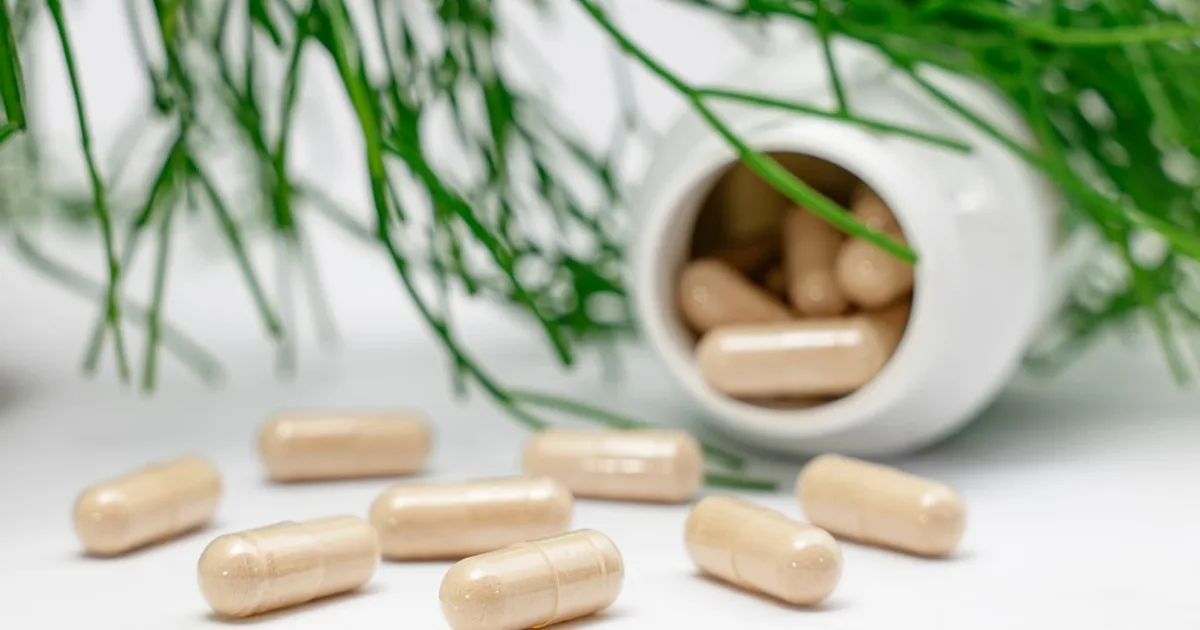
Why "Suitable for Vegetarians" Doesn't Make a Medicine or Supplement Halal (2026)
Vegetarian-labelled capsules still use bovine gelatin — which is not halal without certification. Here's the specific gap between vegetarian compliance and halal compliance, and how to navigate it.
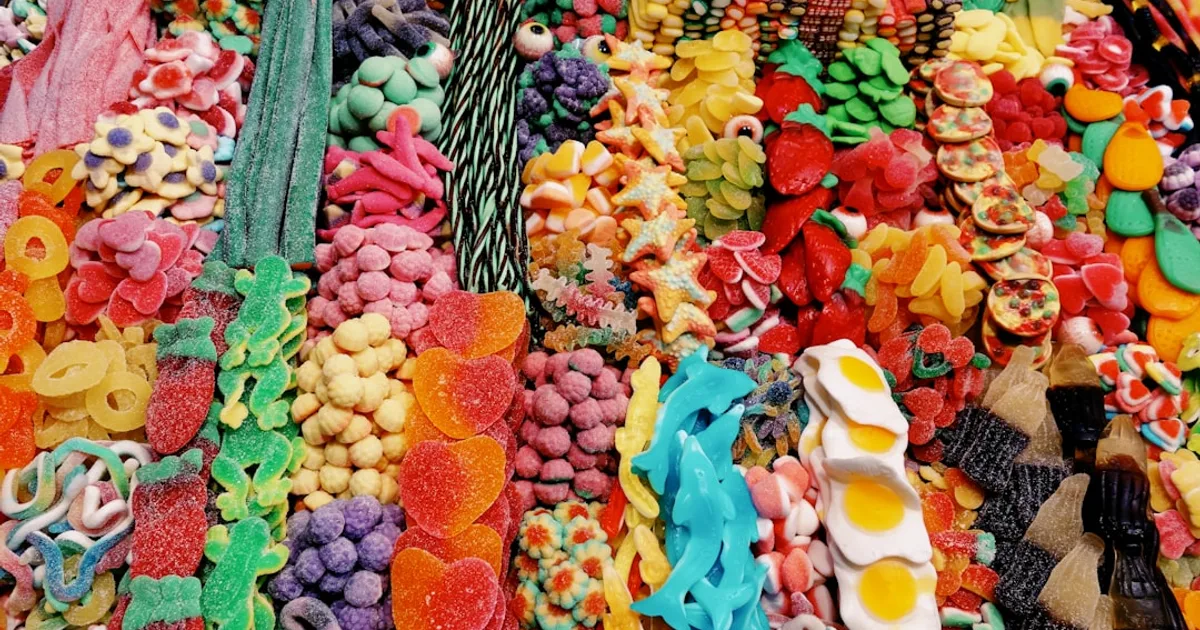
We Checked 40 US Candy Brands: Gelatin, Carmine and Hidden Haram (2026)
US candy labelling hides gelatin behind "confectioner's glaze" and carmine behind "Red 40" confusion. Full audit of Skittles, Starburst, Sour Patch Kids, Haribo US, Swedish Fish, Trolli and more.
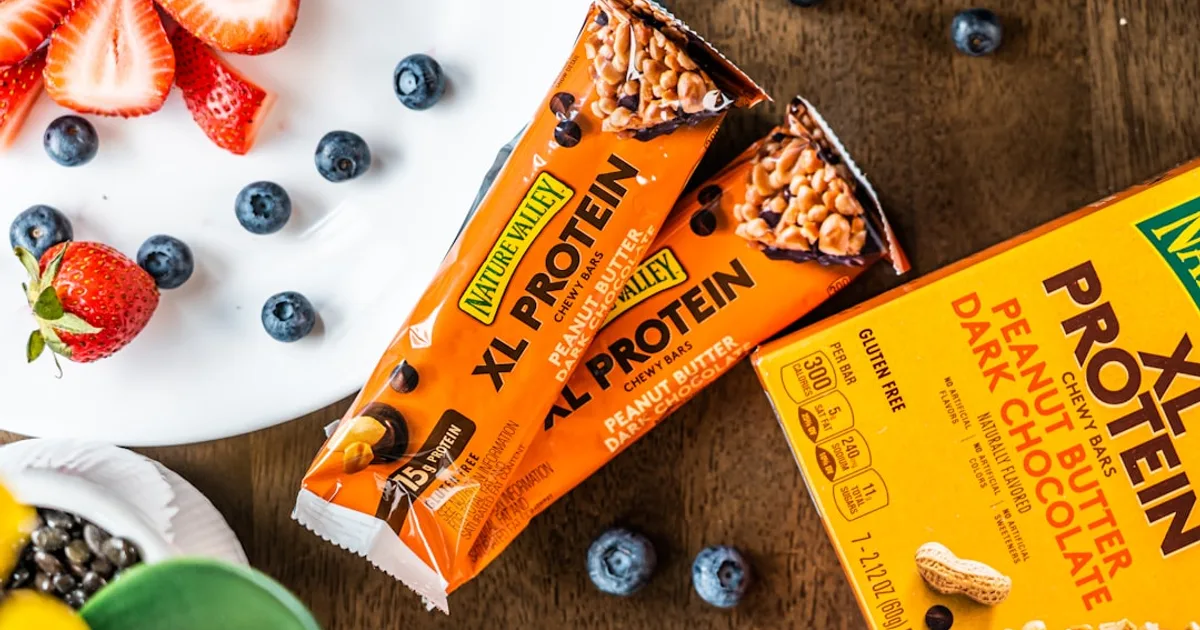
We Checked 50 UK Protein Bars: Every Halal Verdict (2026)
Gelatin, carmine, E471 from animal fat, and undisclosed alcohol-based flavourings appear across 50 UK protein bars. Full results table covering Grenade, Trek, Clif, Quest, Rxbar, Barebells and more.
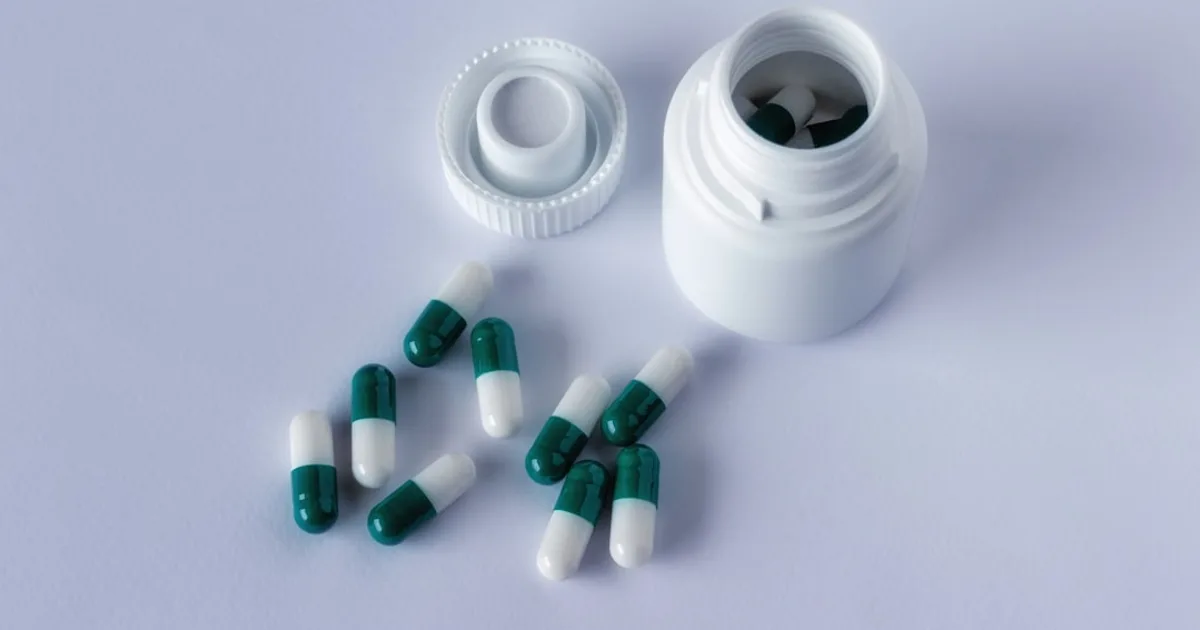
The Supplement Capsule Halal Problem: Gelatin vs HPMC vs Pullulan (2026)
Most vitamin capsules use porcine gelatin — the cheapest shell material. Here's how to identify HPMC (vegetable) capsules on any label and which UK supplement brands use halal-safe capsules.
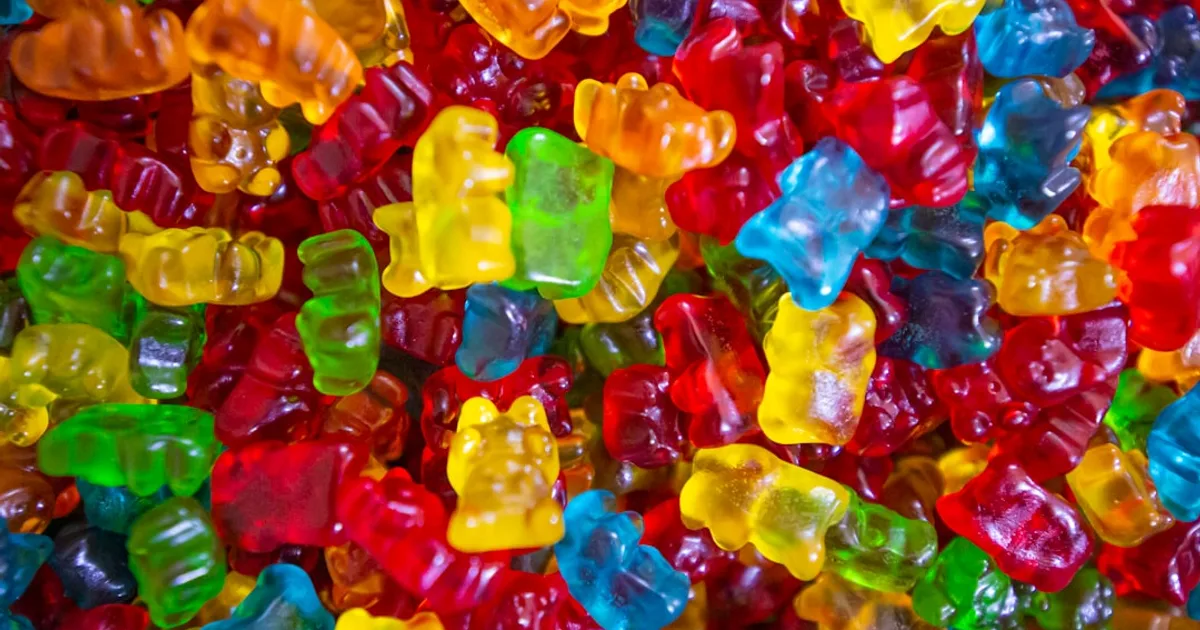
The Gummy Sweets Halal Problem: Why Most Gummies Are Haram (2026)
Porcine gelatin makes most European gummy sweets haram. Haribo UK vs Haribo Germany have different recipes. Here's how to spot safe gummies in any supermarket in 30 seconds.
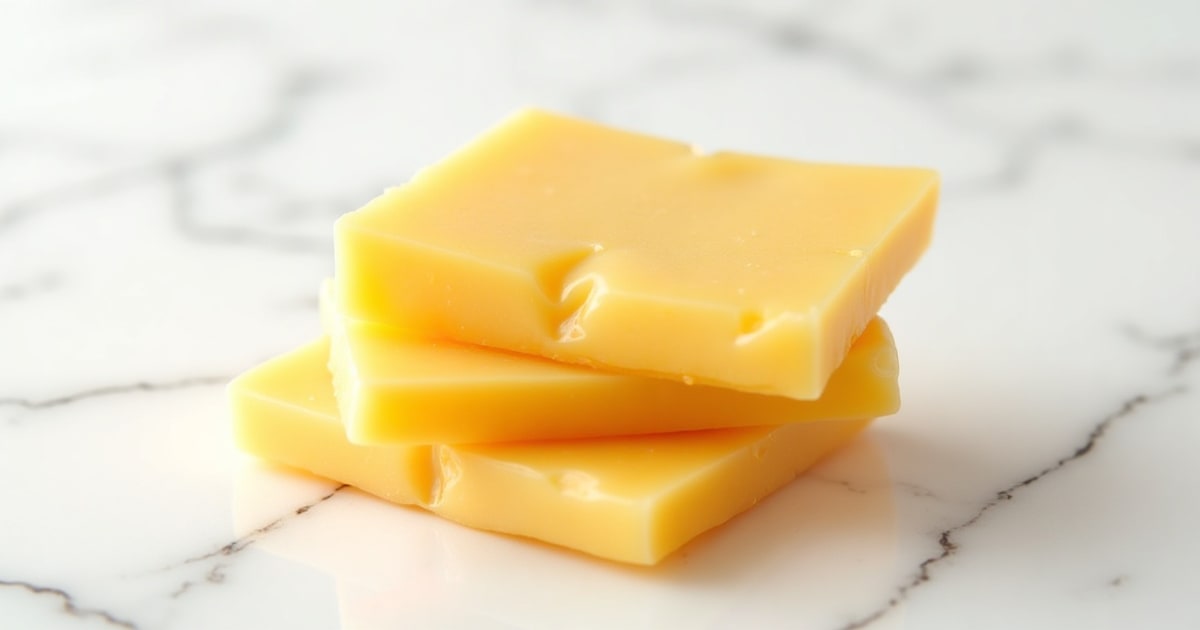
Is Processed Cheese Halal? Rennet, Emulsifying Salts and UK Brand Audit (2026)
Two separate issues: rennet source in the cheese itself, and emulsifying salts (E339, E450, E452) in processed slices. Dairylea, Kraft Singles, Philadelphia, Babybel — all checked.
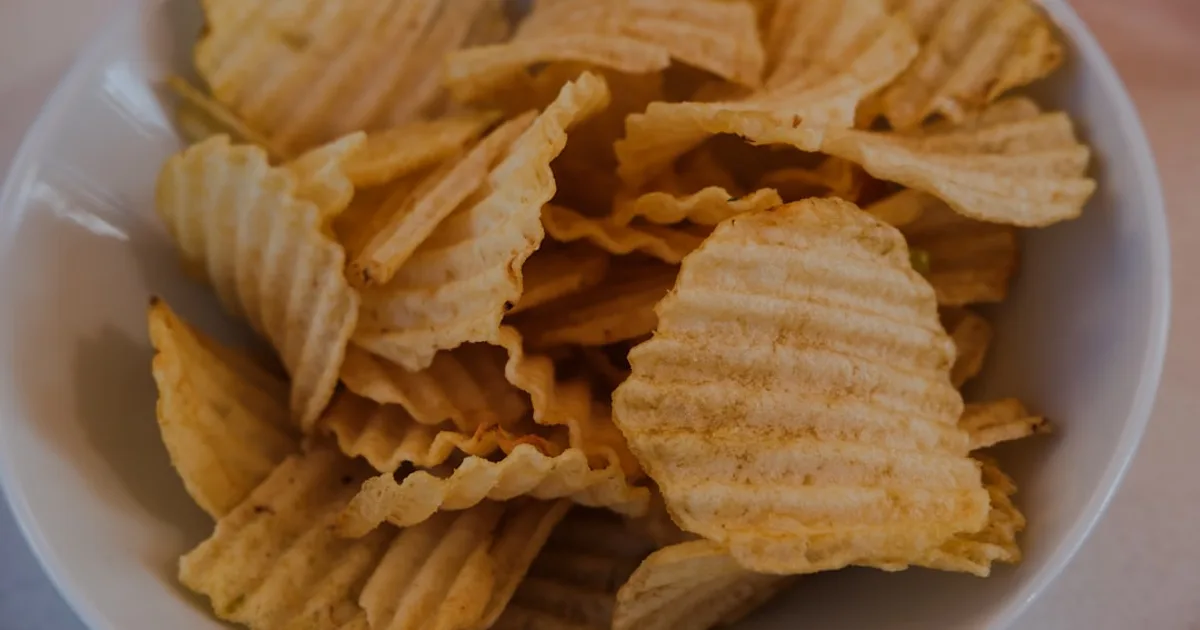
Is Pringles Halal? Every Flavour Checked by Region (2026)
Pringles Original is halal and vegan-labelled. Every flavoured UK variety we verified contains E621 with E627/E631 or E635 — but all carry vegetarian labels. Flavour-by-flavour table for UK, US and certified Gulf/Malaysian versions.
"No Pork" Doesn't Mean Halal: 8 Other Ingredients to Check (2026)
Gelatin, carmine, shellac, L-cysteine, isinglass, natural flavours, vanilla extract and animal rennet are all haram or mushbooh — and none come from pork. The complete guide to what else to check.
The "Natural Flavours" Halal Problem: What the Label Hides (2026)
"Natural flavours" is the most misleading phrase in food labelling. It can hide castoreum, carmine, isinglass, and alcohol carriers. Here's the systemic problem — and how to navigate it.
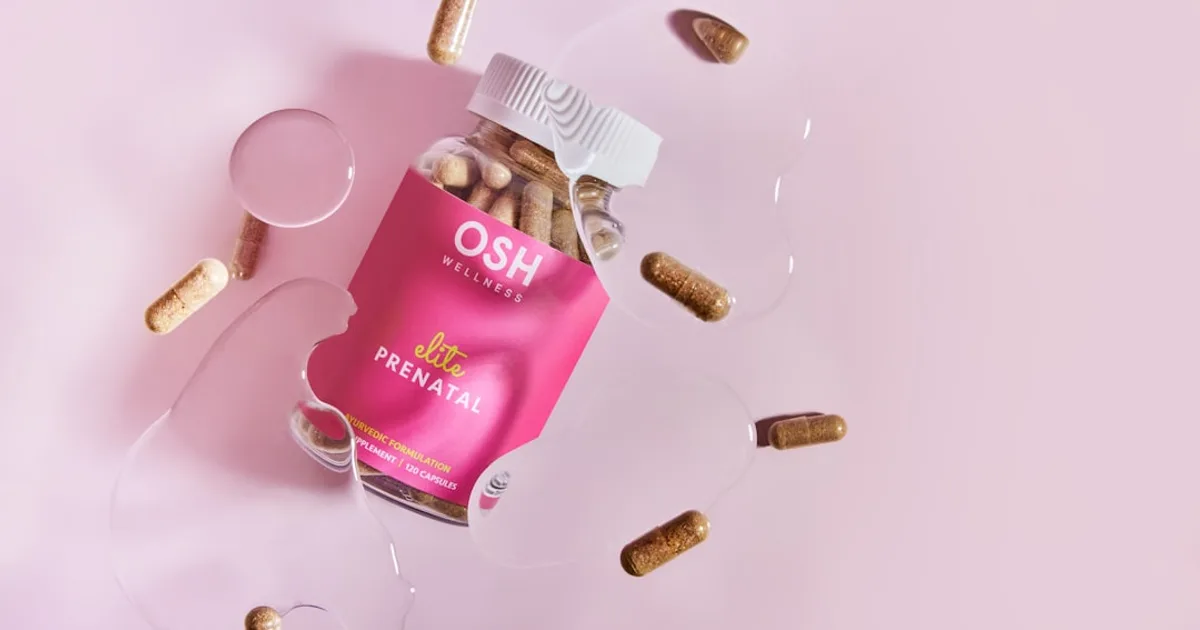
Halal Nutrition During Pregnancy: Vitamins, Supplements & Food Guide (2026)
Gelatin capsules in prenatal vitamins, D3 from lanolin, and omega-3 in fish gelatin capsules make pregnancy supplementation more complicated for Muslim women. Complete guide with safe UK brand picks.
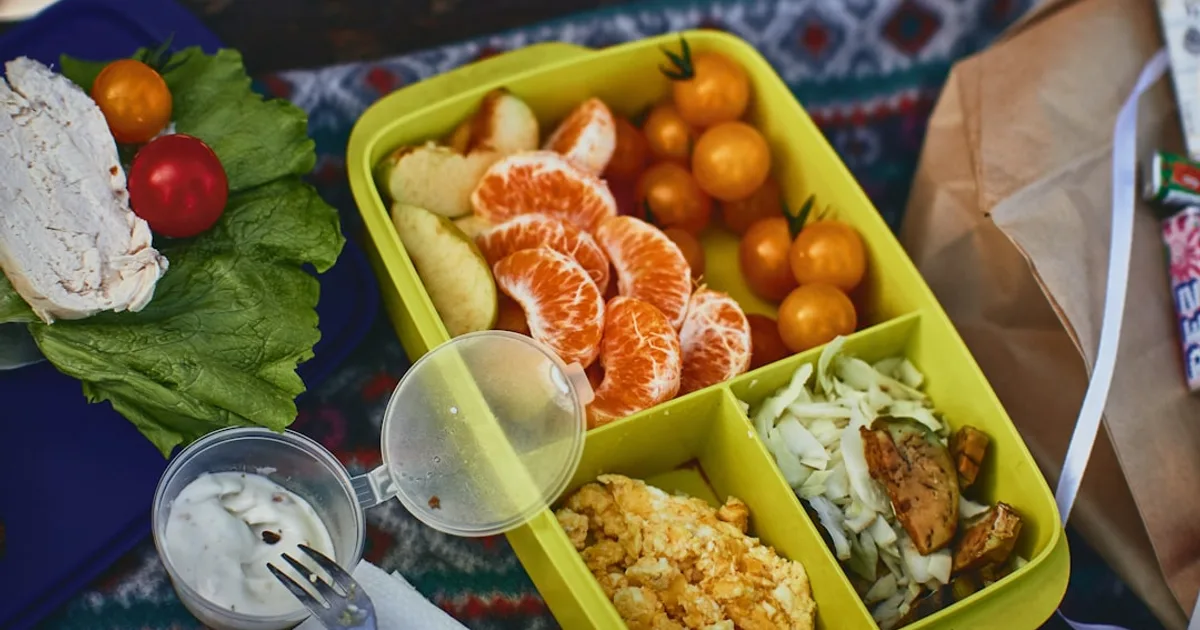
Halal Lunchbox Guide for Muslim Kids at UK Schools (2026)
Flavoured crisps, yogurt tubes, gummy snacks and cereal bars hide haram ingredients. Aisle-by-aisle guide to halal-safe lunchbox staples, with branded alternatives per category.
Halal Eating for Muslim Seniors: Medications, Capsules and Supplements (2026)
NHS prescriptions default to porcine gelatin capsules. Here's how to request HPMC alternatives, which OTC supplements to check, and what to say to your GP or pharmacist.
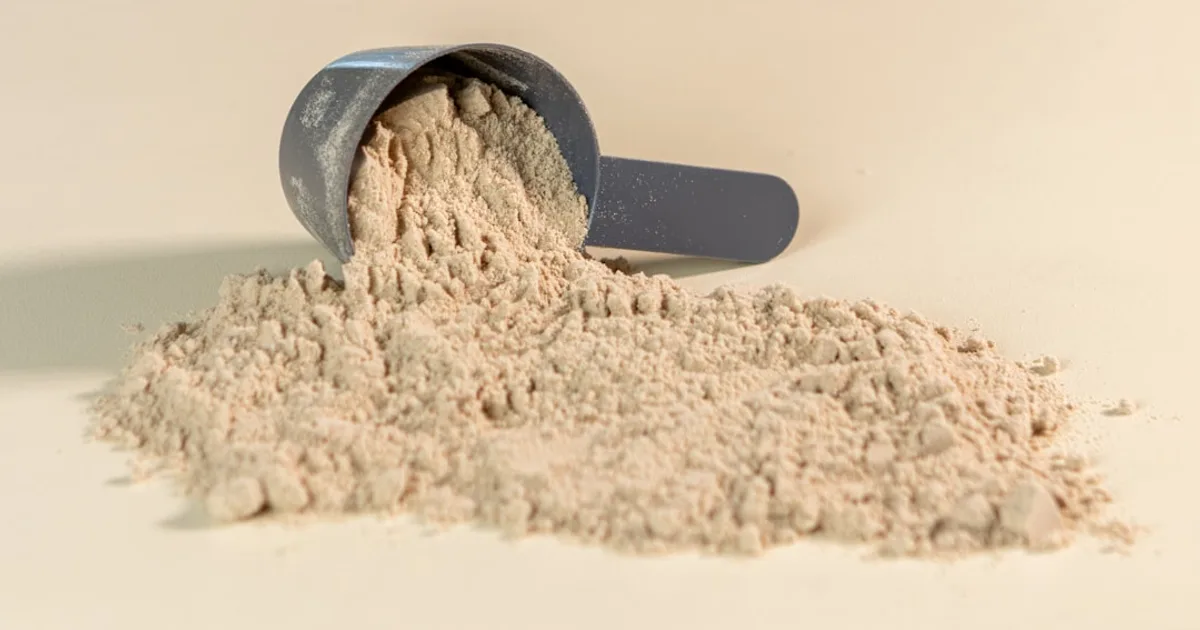
Halal Eating for Muslim Athletes: Protein, Pre-Workout & Recovery (2026)
Whey source, creatine origin, and BCAA derivation are three halal minefields for Muslim athletes. Global guide with practical checks for protein powder, pre-workout, and recovery supplements.
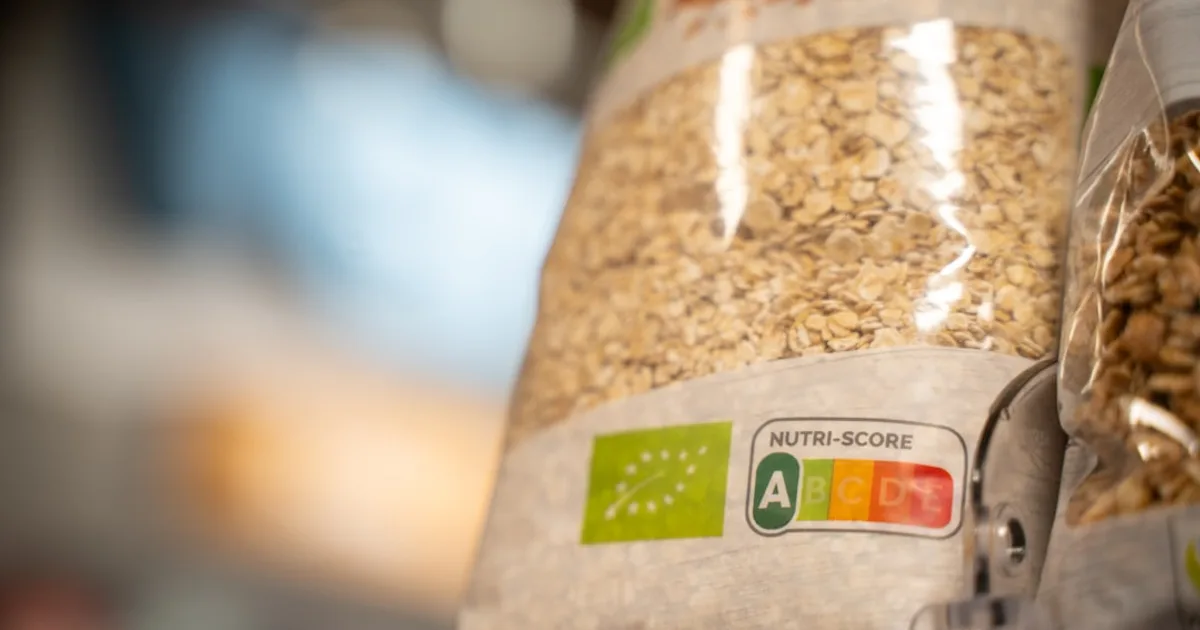
Why Halal-Certified Doesn't Always Mean You're Safe (2026)
Certification covers the product at the point of audit — not every ingredient, every batch, or every recipe change. Here's the specific gaps certification misses and what to do about them.
UK Breakfast Cereals: Full Halal Audit (2026)
We checked every major UK breakfast cereal for vitamin D3, E471, and natural flavours. Weetabix, Kellogg's, Nestlé, Quaker and own-brand — full results table.
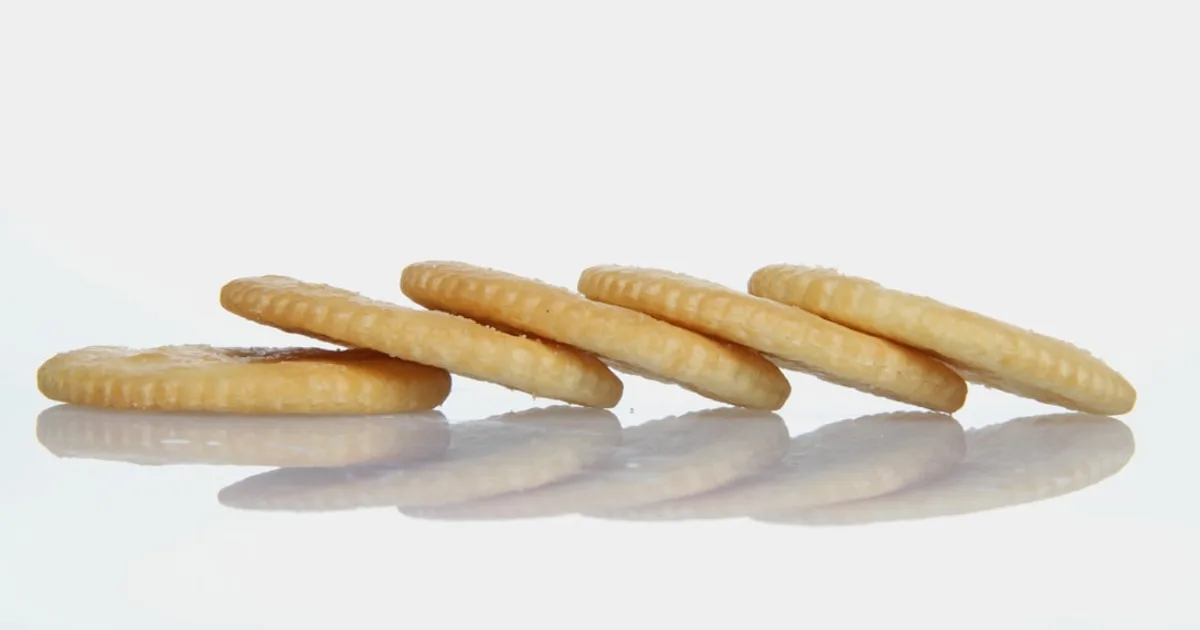
UK Biscuits: Which Brands and Varieties Are Halal? (2026)
Animal fat (lard) in shortcrust and E471 in cream-filled biscuits are the main risks. Full audit of McVitie's, Fox's, Lotus, Jammie Dodgers, Maryland, Leibniz and own-brand.
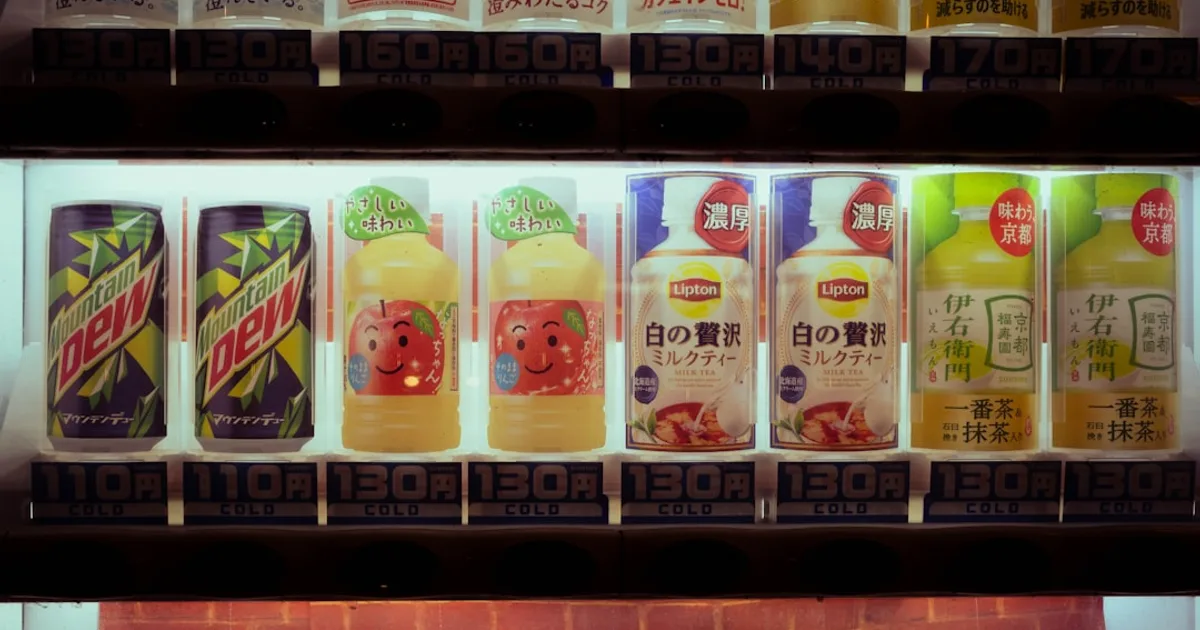
We Checked 30 UK Energy Drinks: Which Are Safe for Muslims? (2026)
Taurine is synthetic (halal). The real risks are carmine (E120) in coloured variants, and L-carnitine source in some formulas. Full audit of Red Bull, Monster, Prime, Ghost, Lucozade and more.
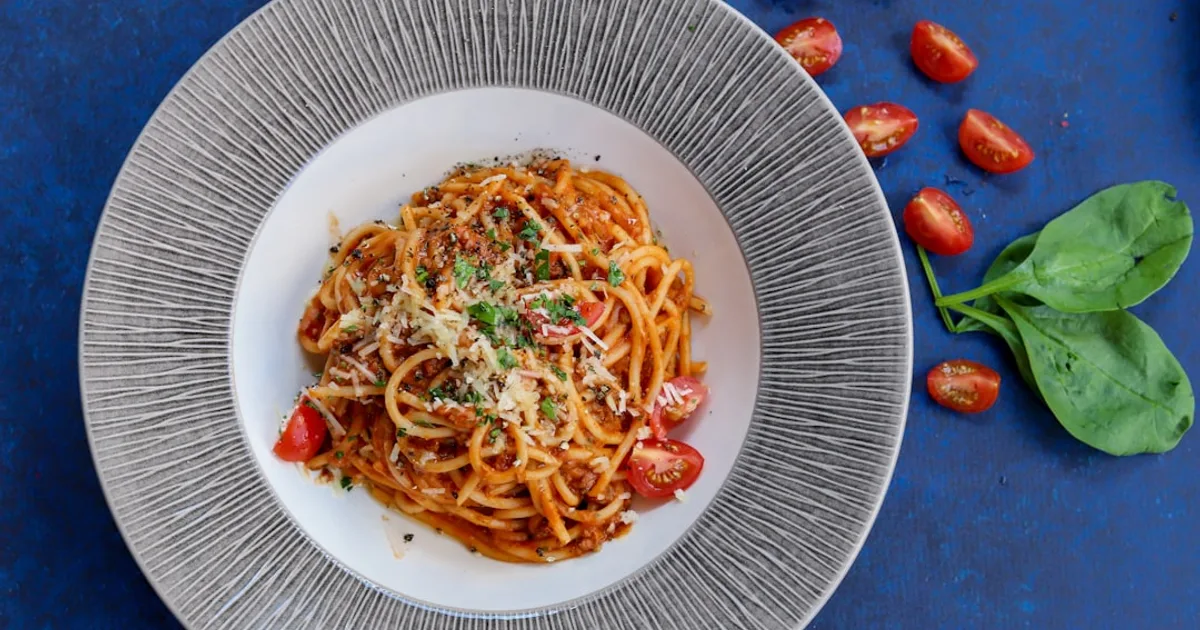
The Complete Guide to Halal Pasta Sauces: Jar, Pesto, Fresh and Ready Meal (2026)
Plain tomato sauces are almost always fine. The problems: wine in bolognese, animal rennet in pesto parmesan, and anchovy in puttanesca. Dolmio, Sacla, Napolina, Lloyd Grossman — all checked.
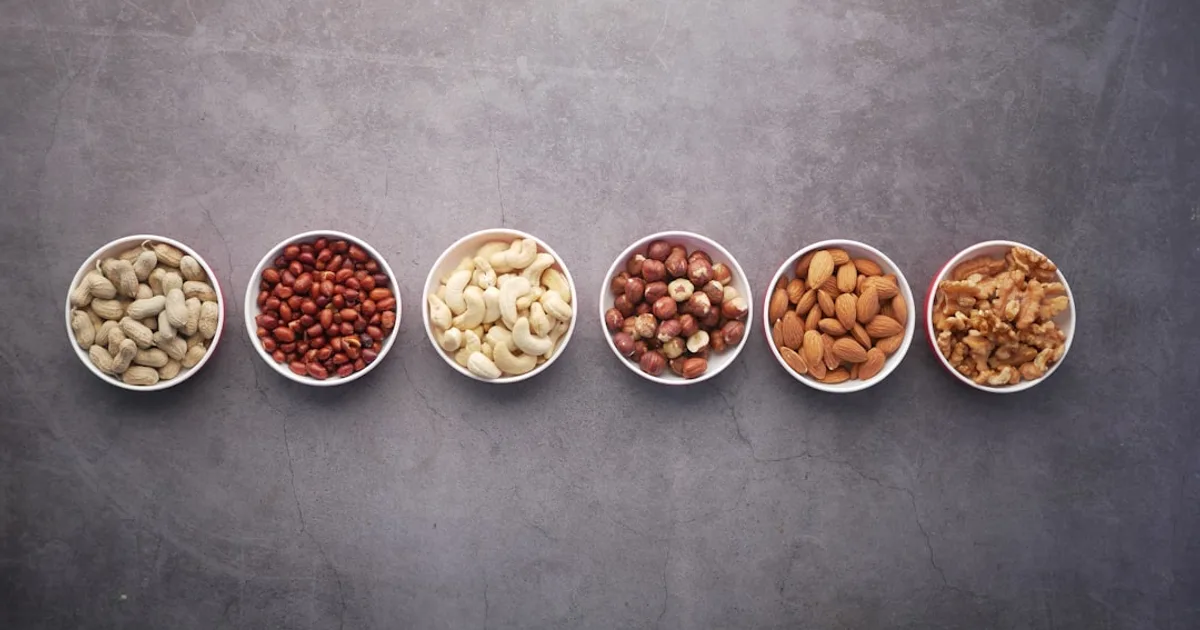
The Complete Guide to Halal Crisps and Savoury Snacks (2026)
Every snack category covered: potato crisps, Doritos, Pringles, popcorn, rice cakes, nuts and crackers. Brand verdicts across Walkers, Tyrells, Kettle, Doritos, Cheetos, Pringles, Popchips and more.
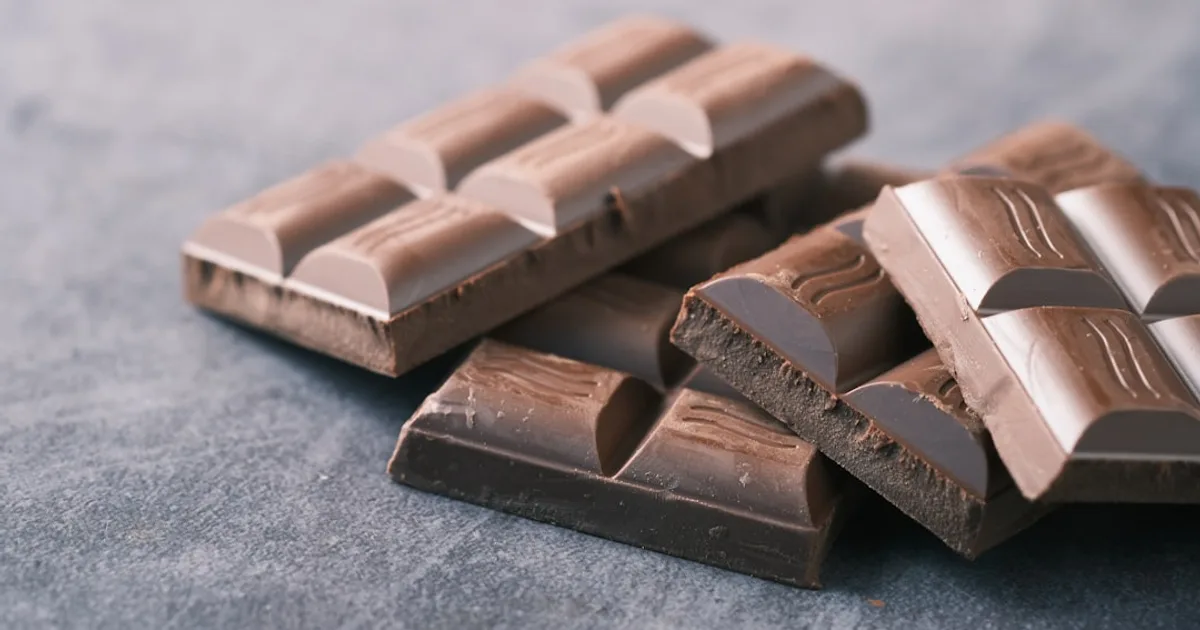
The Complete Guide to Halal Chocolate: Bars, Hot Chocolate, Baking and Spread (2026)
E476 (PGPR), E471, and vanilla extract with alcohol are the three chocolate concerns. Every format covered: chocolate bars, hot chocolate, baking, Nutella alternatives, and white chocolate.
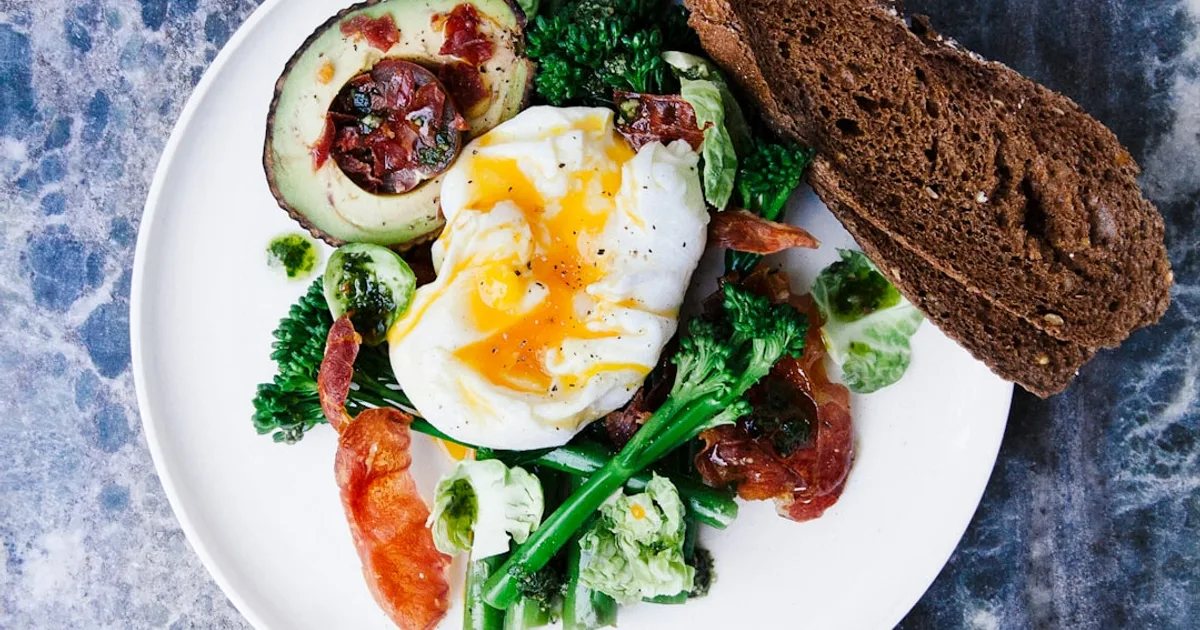
The Complete Guide to Halal Breakfast: Cereals, Bread, Eggs and More (2026)
The definitive halal breakfast resource. Every category covered: cereals (D3, E471), bread (E920, L-cysteine), spreads, eggs, yogurt, juice, and cooked breakfast — with brand-by-brand verdicts.
Trace Alcohol in Food: When It Matters and When It Doesn't (2026)
Cooking wine doesn't "burn off" completely. Vanilla extract vs vanillin are different things. And fermented foods like kefir and kombucha produce their own alcohol. Here's the nuanced guide scholars actually follow.
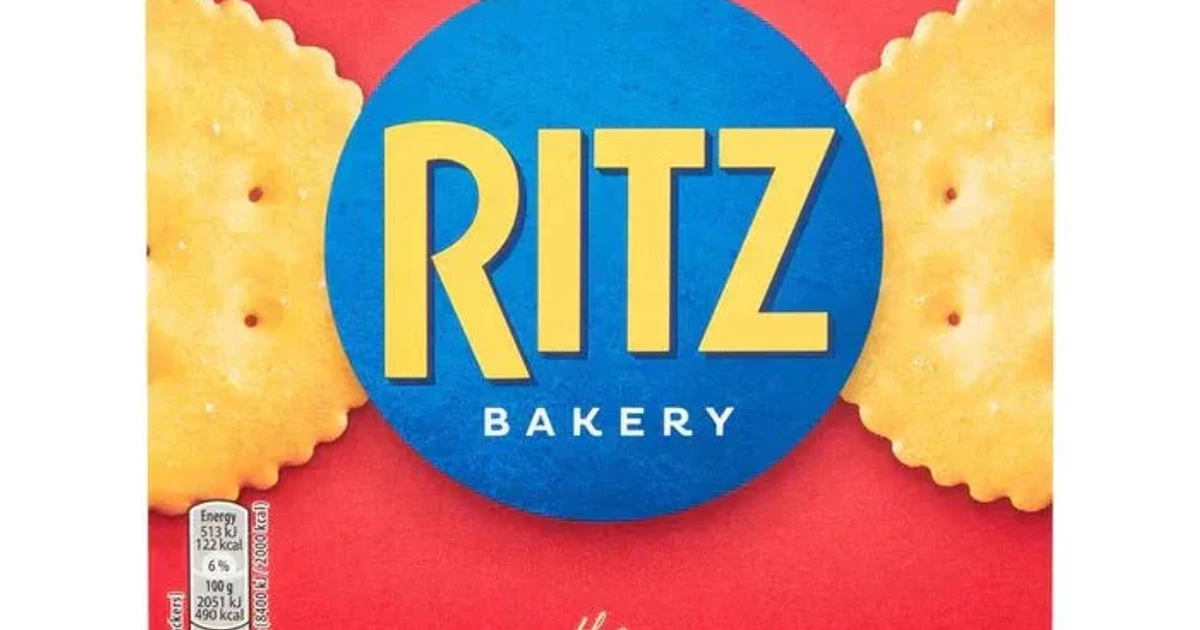
Is Ritz Crackers Halal? Nabisco Ingredients Checked (2026)
Ritz Original Crackers are Mushbooh — they contain E471 (mono and diglycerides) with no animal source disclosure and no halal certification.
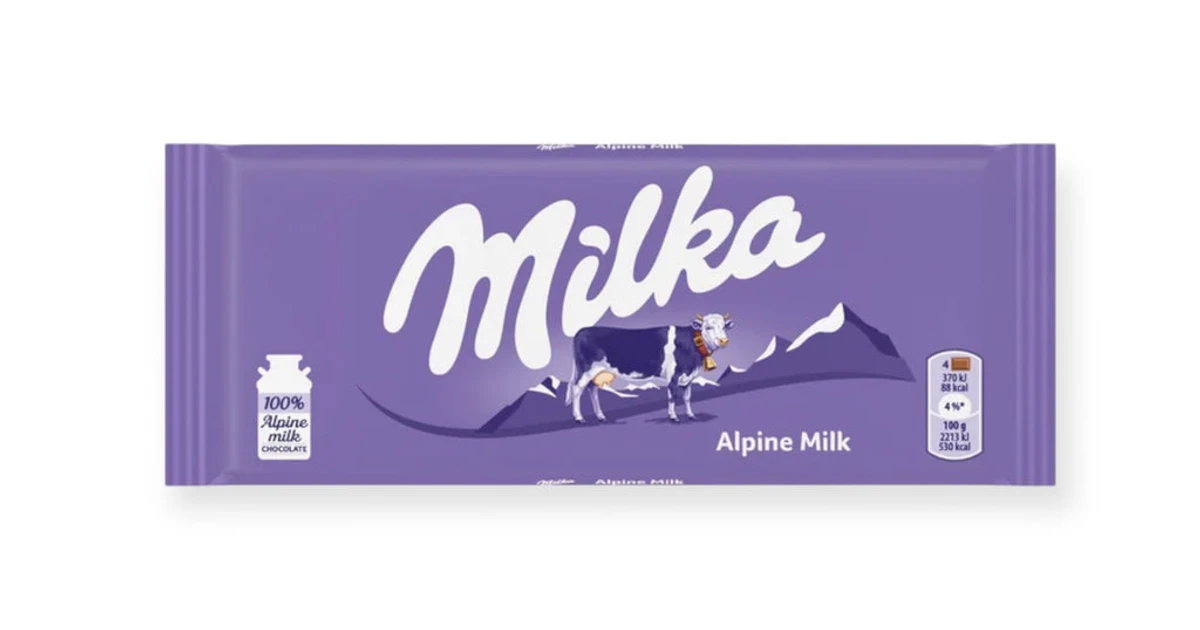
Is Milka Chocolate Halal? Complete EU & UK Guide (2026)
Milka chocolate is Mushbooh — it contains E476 (PGPR) and E471 with undisclosed animal fat sources and no halal certification in UK or EU.
Is Sriracha Halal? A Guide to Halal Hot Sauces
Is sriracha halal? Most sriracha sauces are plant-based and halal — but not all. Here's what to check and the best verified halal hot sauces to buy.
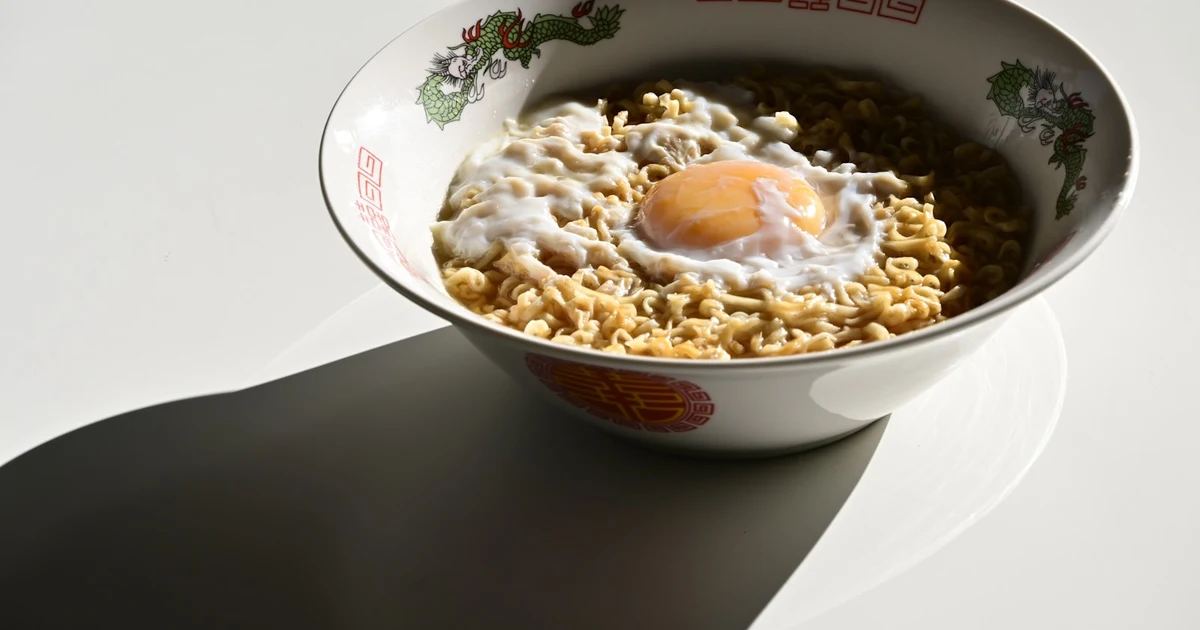
Is Samyang Buldak Halal? The Halal Version Explained
Samyang Buldak ramen exists in both halal and non-halal versions. Here's how to tell them apart and where to buy the certified halal version.
Is Alcohol in Food Haram? The Complete Guide
Alcohol added as an ingredient is haram. Trace fermentation alcohol and wine-vinegar are treated differently. Here's where the line is, and how the madhabs rule.
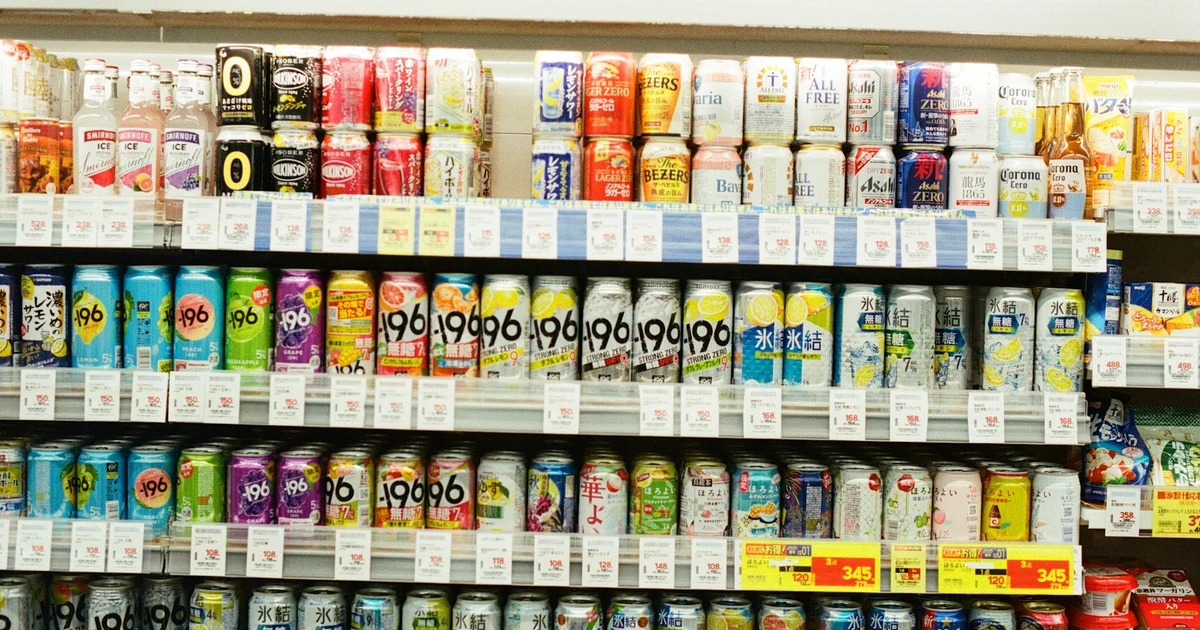
Haram E-Numbers to Avoid: The Complete Reference List (2026)
There is no single haram E-number list — status depends on source. But a specific set are either always haram (E120, E441, E542) or high-risk Mushbooh you should verify. Here is the full reference.
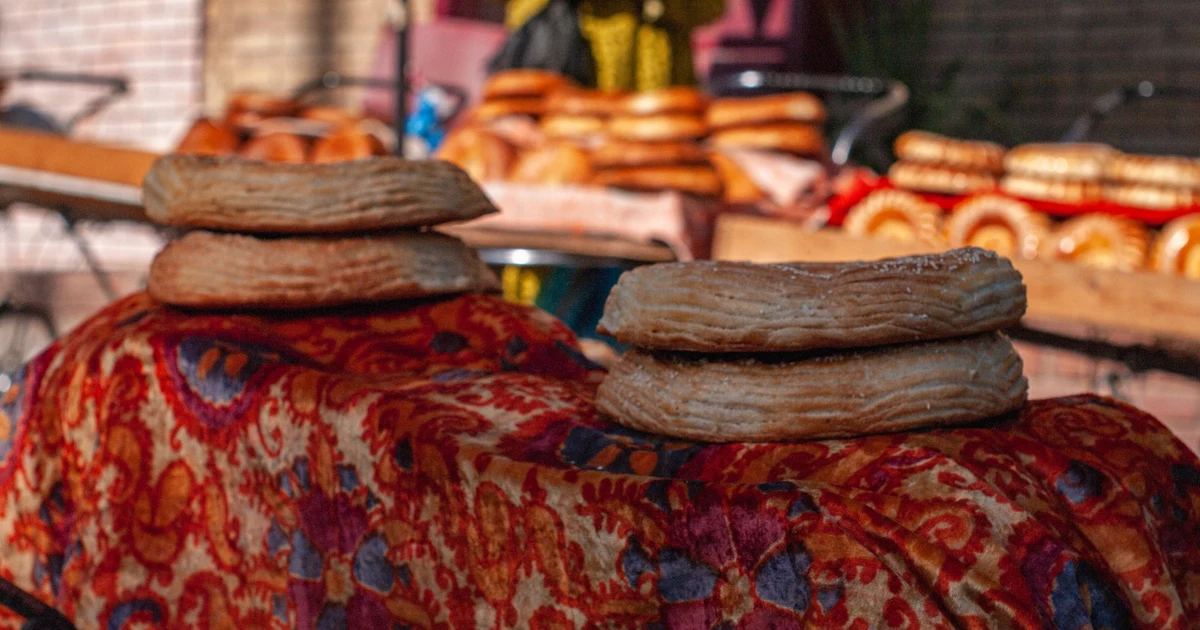
Halal Food in Uzbekistan: A Practical Guide for Muslim Shoppers (2026)
Most food in Uzbekistan is halal — but imported products need a second look. Here's how to read Russian labels, spot the new Halal mark, and check E-codes.
Are Starter Cultures & Microbial Rennet Halal?
Starter cultures and microbial rennet are generally halal — the bacteria themselves are pure. The real concern is the growth medium they're propagated on. Here's how to check.
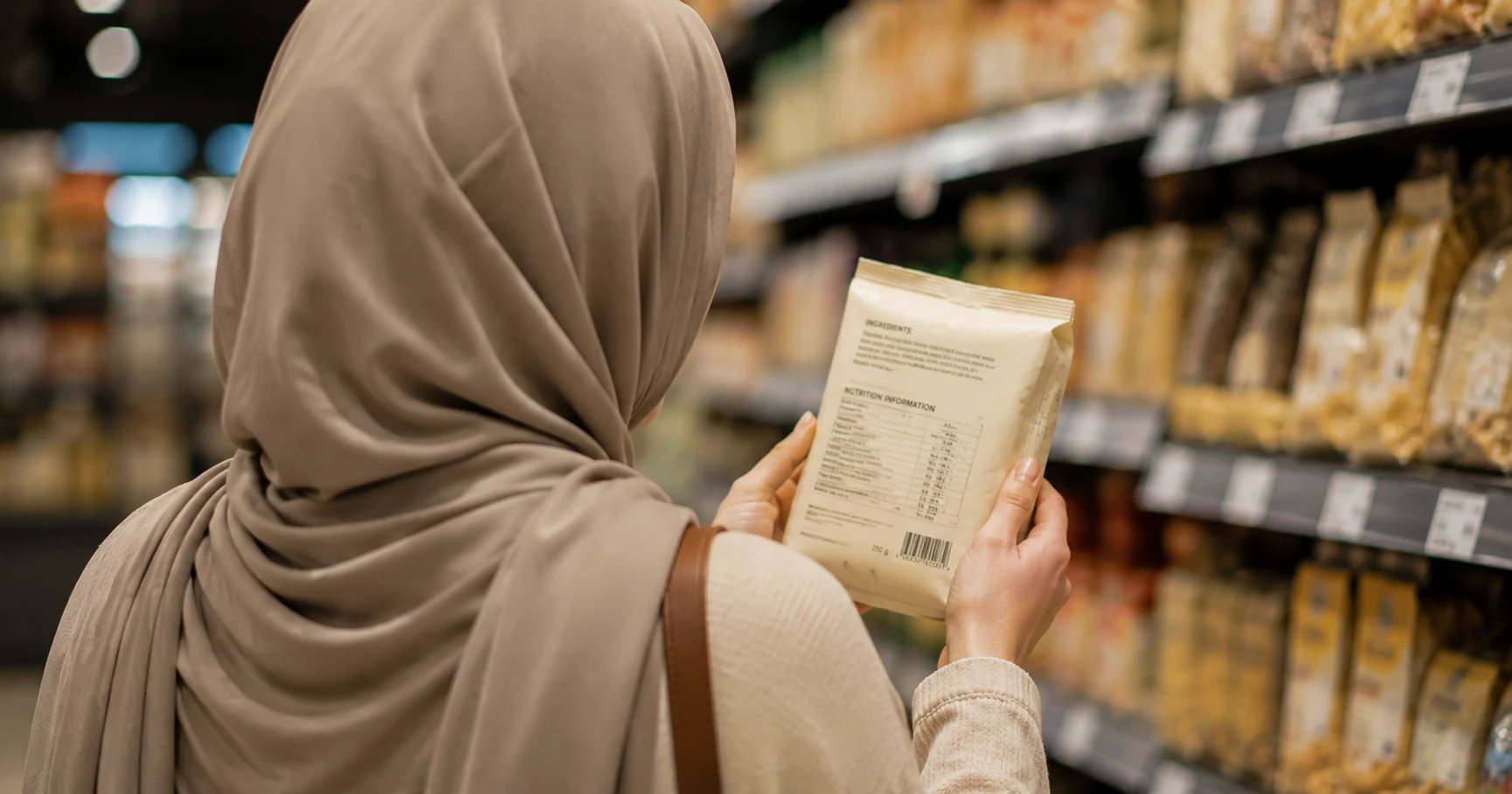
Halal Food Labelling Law: UK, EU, US & Export Market Rules Compared (2026)
Halal is not a uniformly protected legal term across food markets. This guide compares UK, EU, US, and key export-market rules, what businesses must disclose, and what certification adds legally.
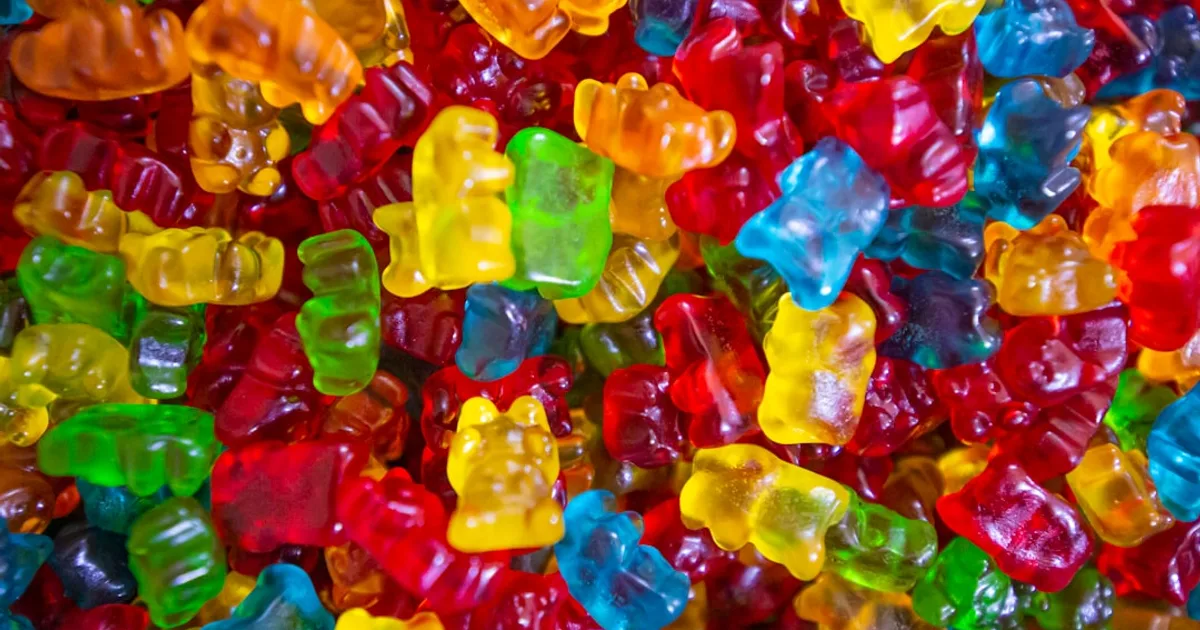
Is Vidal Candy Halal? Spanish Sweets Checked for Gelatin & E-Codes
Vidal sweets are Mushbooh to Haram — most gummy products contain pork gelatine. Some products use plant-based alternatives — check the label for each variant.
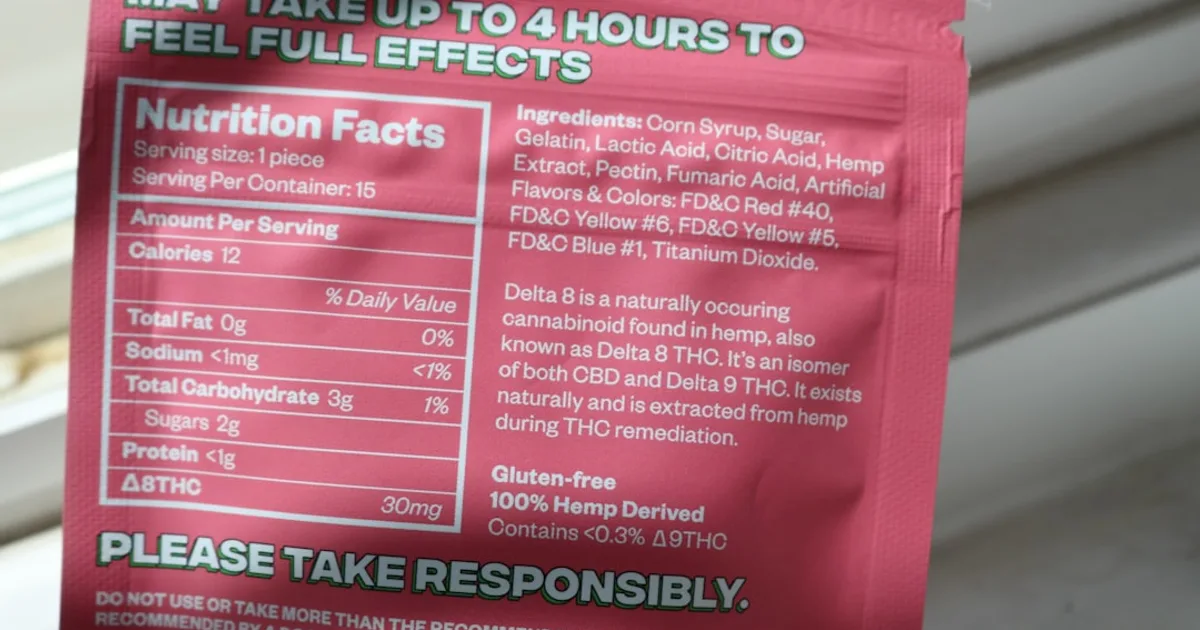
Is Halal Food Actually Halal? The Certification Trust Gap
Some products claim halal but aren't — this is an honest look at the certification trust gap, the four failure modes, and a practical 5-point consumer verification framework.
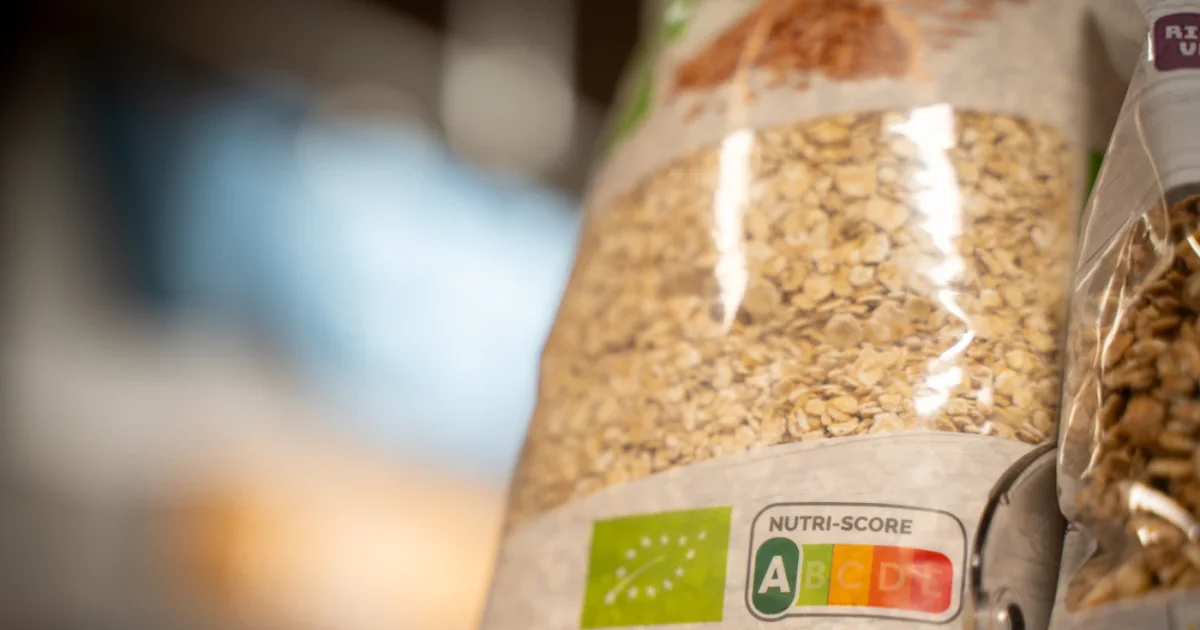
Is Halal Certification Trustworthy? How to Spot Fake or Weak Logos
Not all halal logos are equal — some are self-certified with no audit, others are internationally recognized with facility inspections. Here's how to tell them apart.
E951 Aspartame: Is It Halal? Diet Coke, Sugar-Free & More (2026)
E951 aspartame is halal — it's a synthetic amino acid sweetener with no animal derivatives. But check the capsule carrier in supplement form.
E481 (Sodium Stearoyl Lactylate): Why Your Bread May Be Mushbooh
E481 SSL is Mushbooh — the stearic acid in this bread emulsifier may come from animal fat. No disclosure on most UK bread labels.
E470b Magnesium Stearate: The Supplement Ingredient You Need to Check
E470b magnesium stearate is Mushbooh — the stearic acid component can be animal-derived (often pork). Critical check for supplement capsules.
E450 Diphosphates: The Processed Food Additive Most People Miss
E450 diphosphates are halal — they're mineral-derived phosphate salts with no animal components. Found widely in processed meats and baking powder.
E339 Sodium Phosphates: Halal Guide for Processed Cheese & Meats
E339 sodium phosphates are halal — mineral salts with no animal derivatives. The concern is what they're found IN, not what they're made from.
E322 Lecithin: Soy vs Sunflower — Which Is Halal?
E322 lecithin is usually halal — most is soy or sunflower-derived. Egg lecithin and animal-derived variants exist but are rare. Here's how to tell.
E133 Brilliant Blue FCF: Is This Food Dye Halal?
E133 Brilliant Blue FCF is halal — it's a synthetic petroleum-derived food dye with no animal components. But check what it's used in.
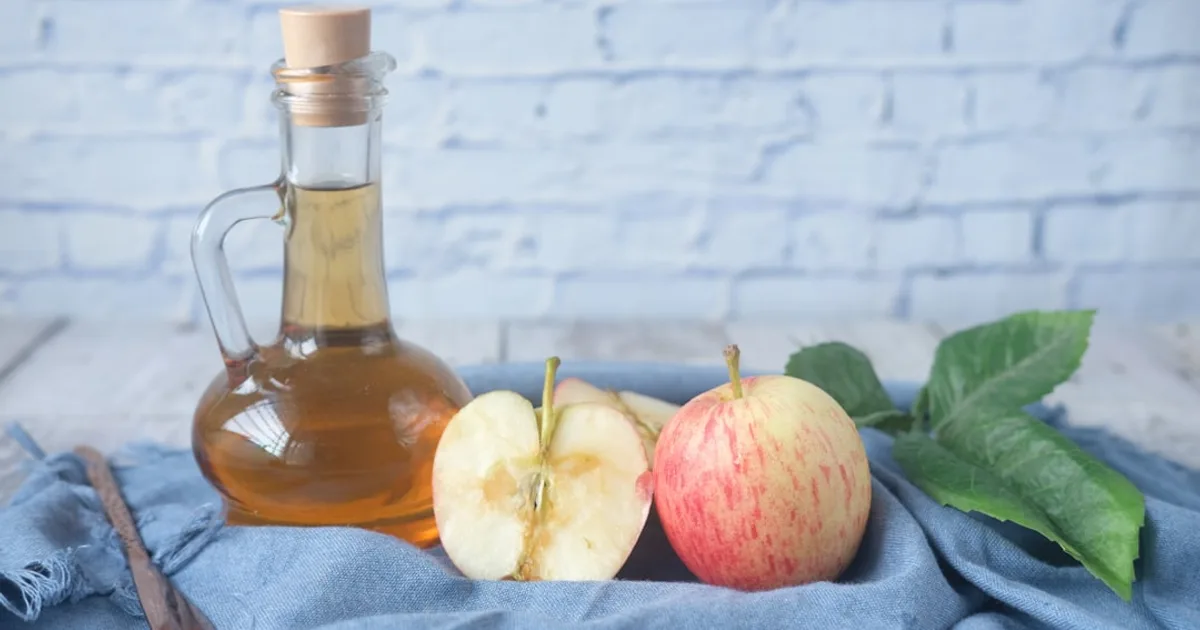
Is Bragg Apple Cider Vinegar Halal? (Vinegar, Supplements & ACV Guide)
Bragg Apple Cider Vinegar is halal — it's fermented apple cider vinegar with no animal derivatives. The 'mother' is a bacterial culture, not an animal product.
Halal Snacks for Kids: US School-Safe Options (2026)
Most popular US kids' snacks contain gelatin or undisclosed animal-derived ingredients. Here's the definitive list of halal-safe school snacks with brand names and what to avoid.
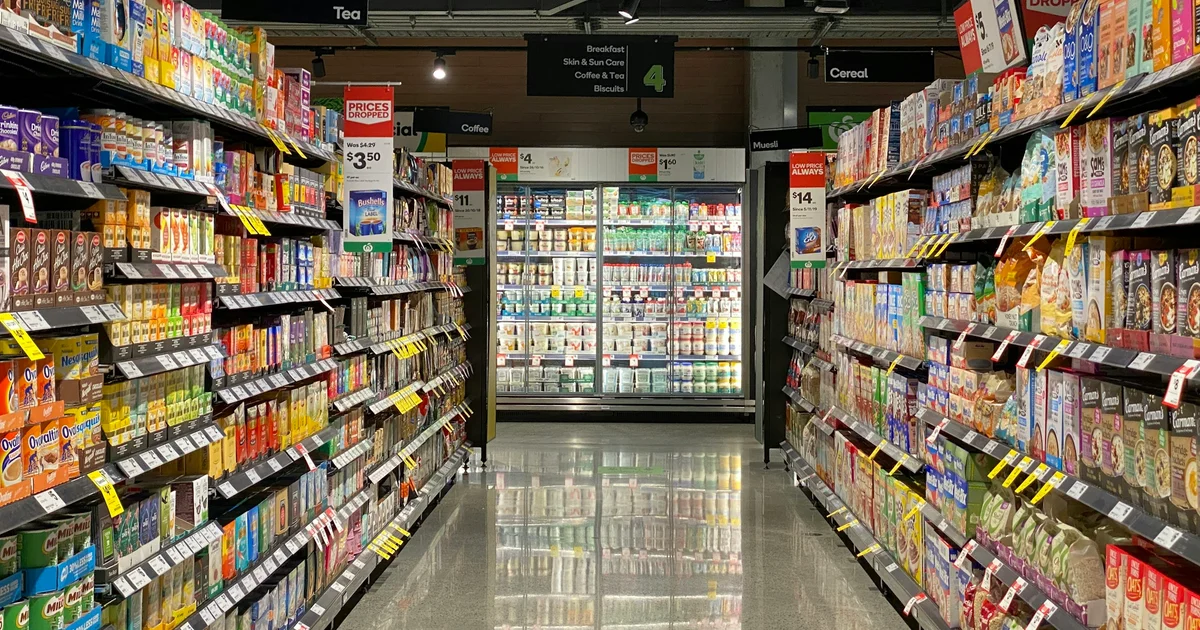
Halal Shopping at Coles: Aisle-by-Aisle Australia Guide (2026)
Coles stocks halal-certified meat from accredited abattoirs but own-brand packaged goods require E-code checking — here's what to look for in each aisle.
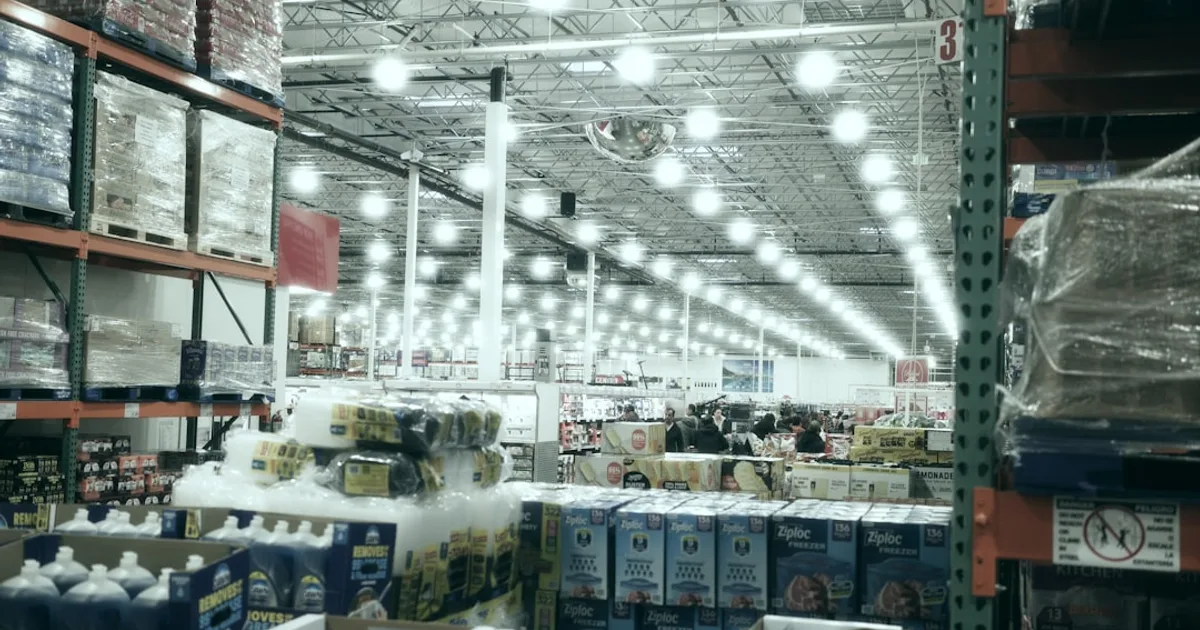
Halal Shopping at Carrefour: France, UAE & Turkey Guide (2026)
Carrefour's halal status varies by country — UAE stores stock certified halal products throughout, while French stores require label-by-label checking.
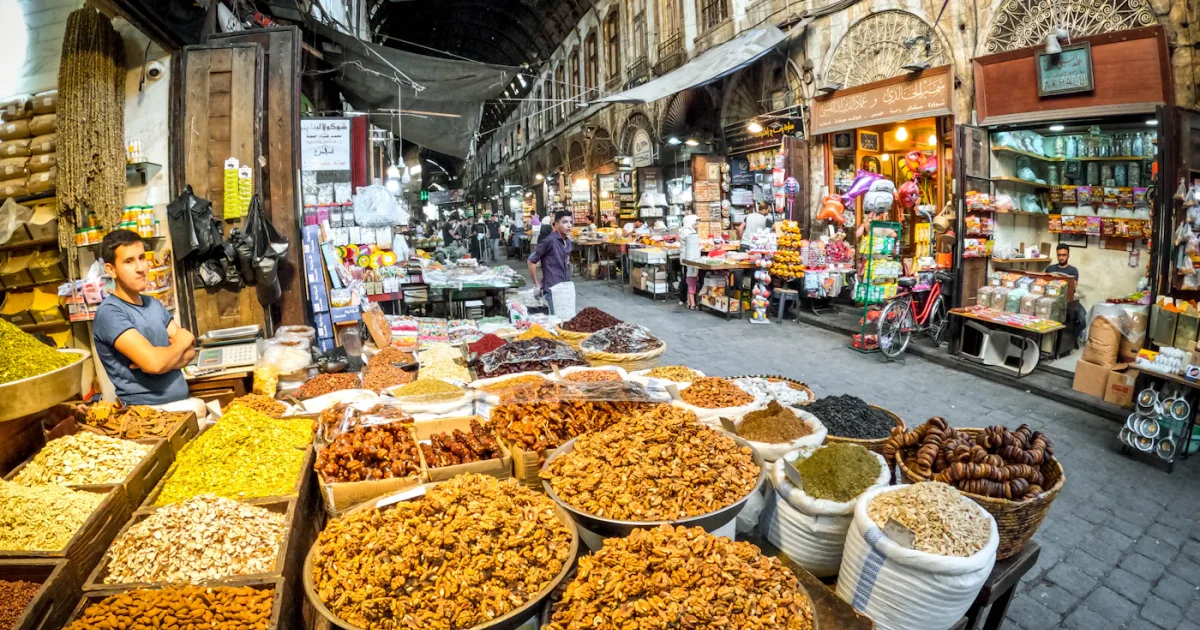
Halal Food in Saudi Arabia: Imported Brands & Label Guide (2026)
Saudi Arabia applies strict halal import standards — but expat workers and tourists still encounter label-reading challenges with imported packaged foods.
Halal Food in Pakistan: Label Reading & Brand Trust Guide (2026)
Pakistan is a majority-Muslim country with mandatory halal standards — but imported brands, unlabelled products, and certification gaps still create real consumer questions.
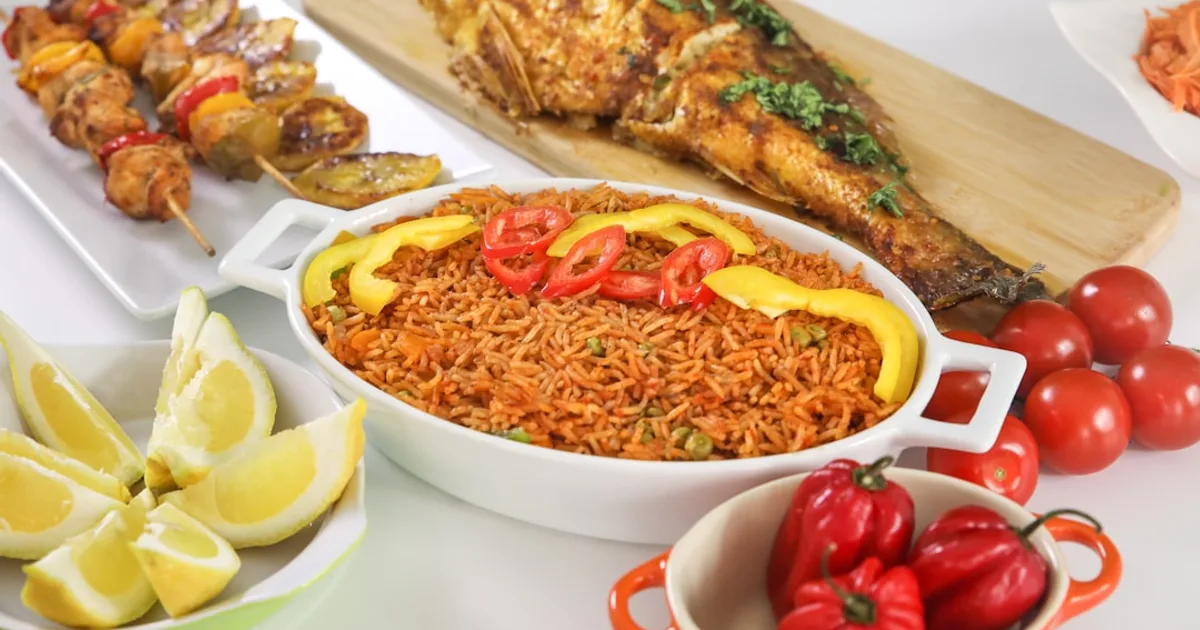
Halal Food in Nigeria: Lagos, Kano & Supermarket Guide (2026)
Nigeria has 90+ million Muslims — halal food access varies dramatically between the Muslim-majority north and Lagos. Here's the practical consumer guide.
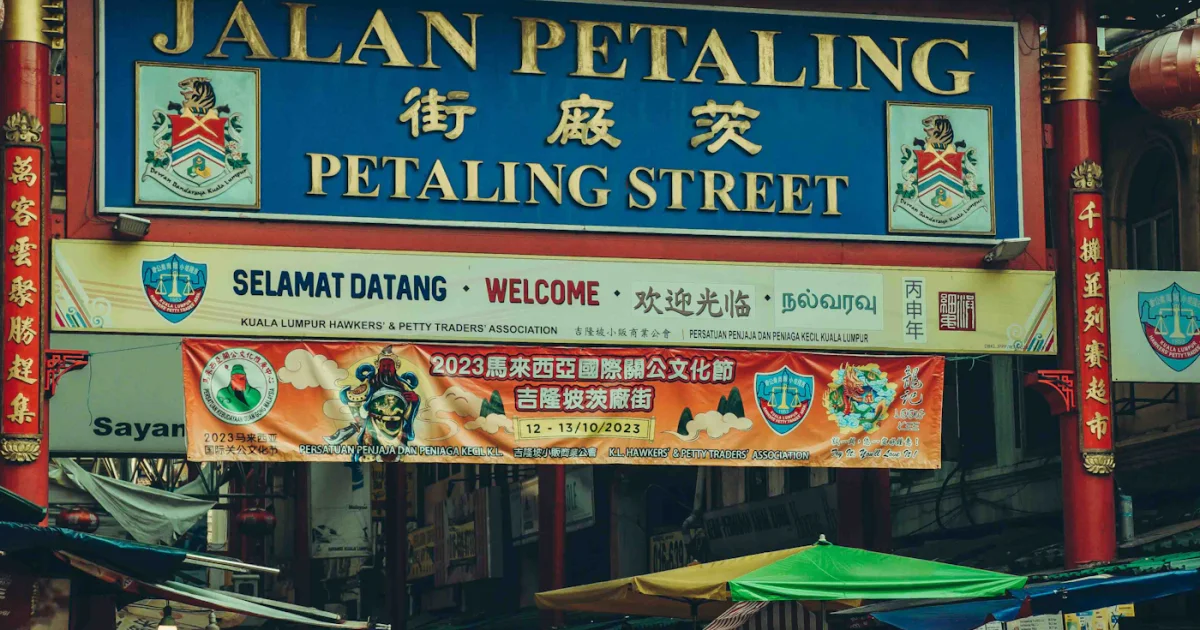
Halal Food in Malaysia: Beyond JAKIM — Full Supermarket & Brand Guide
JAKIM certification is Malaysia's gold standard but not every product on shelf is JAKIM-certified — here's how to shop confidently in Mydin, Giant, and Aeon.
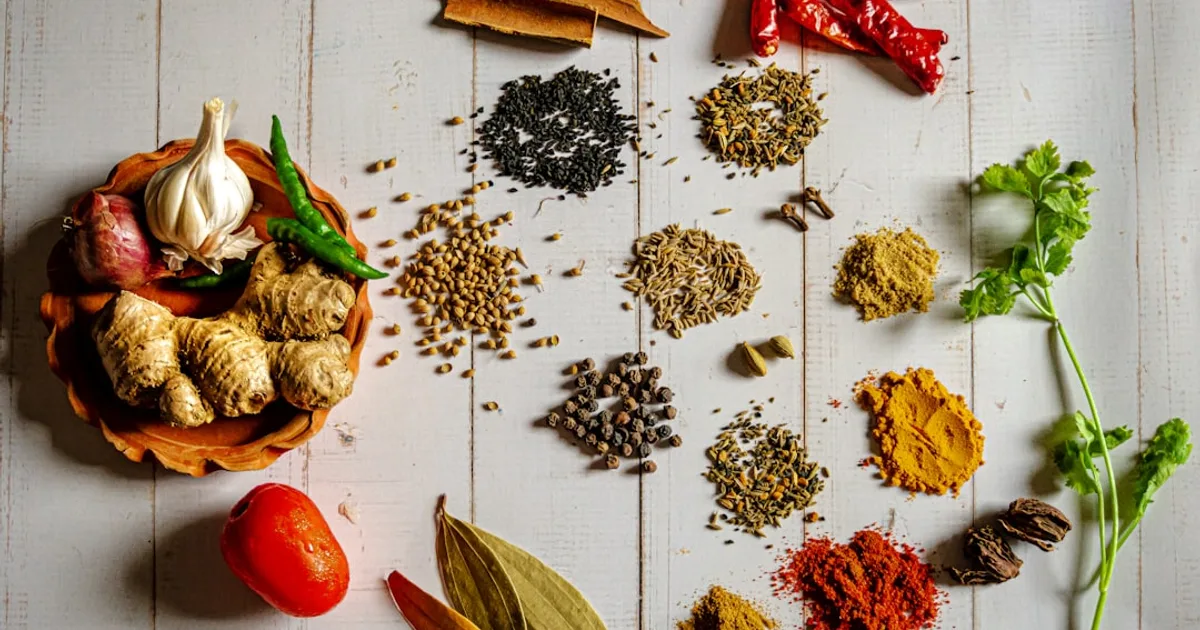
Halal Food in Bangladesh: What Labels & Brands Are Safe?
Bangladesh is 90% Muslim with strong halal food culture — but imported snacks, E-codes, and global fast-food chains create new challenges for label-conscious consumers.
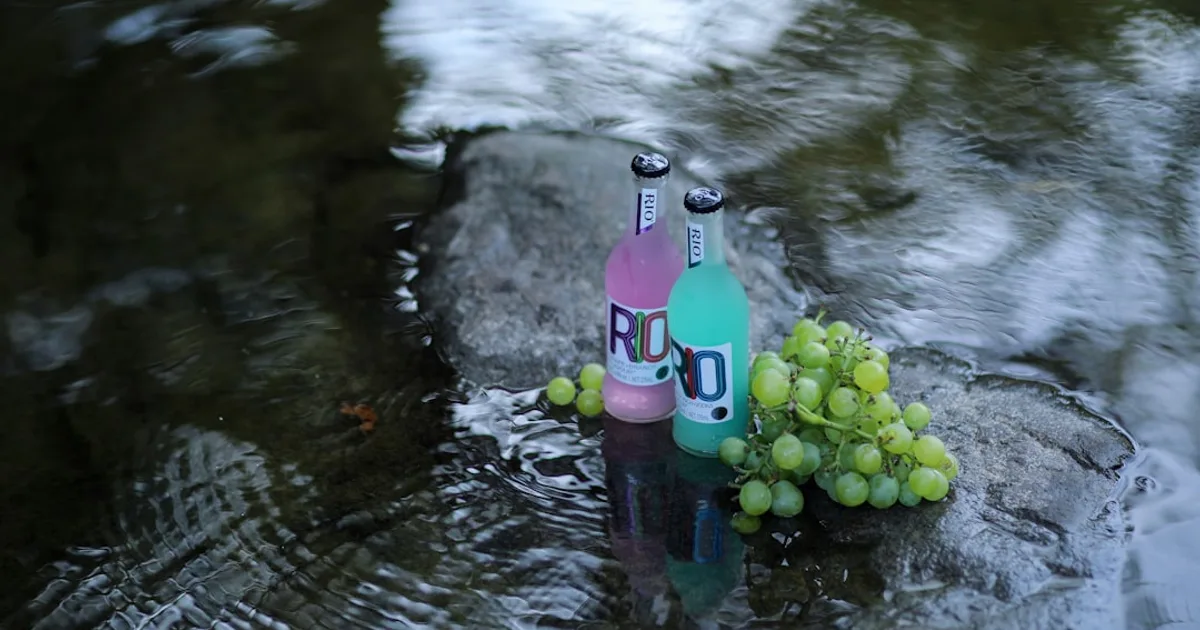
Are Welch's Fruit Snacks & Grape Juice Halal? (2026)
Welch's Fruit Snacks contain gelatine and are not halal. The grape juice and most beverages are halal — no animal derivatives.
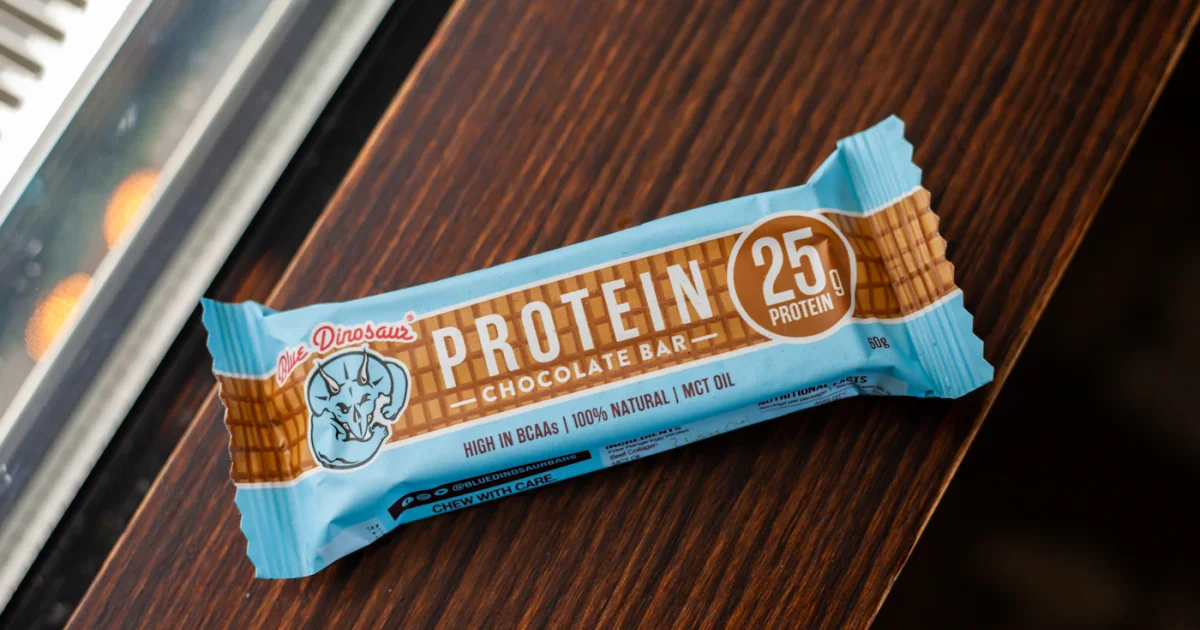
Are Quest Bars Halal? Protein Bars Ingredient Audit
Quest Bars are Mushbooh — no halal certification. Most flavours contain no pork derivatives but use milk protein and may have cross-contamination concerns.
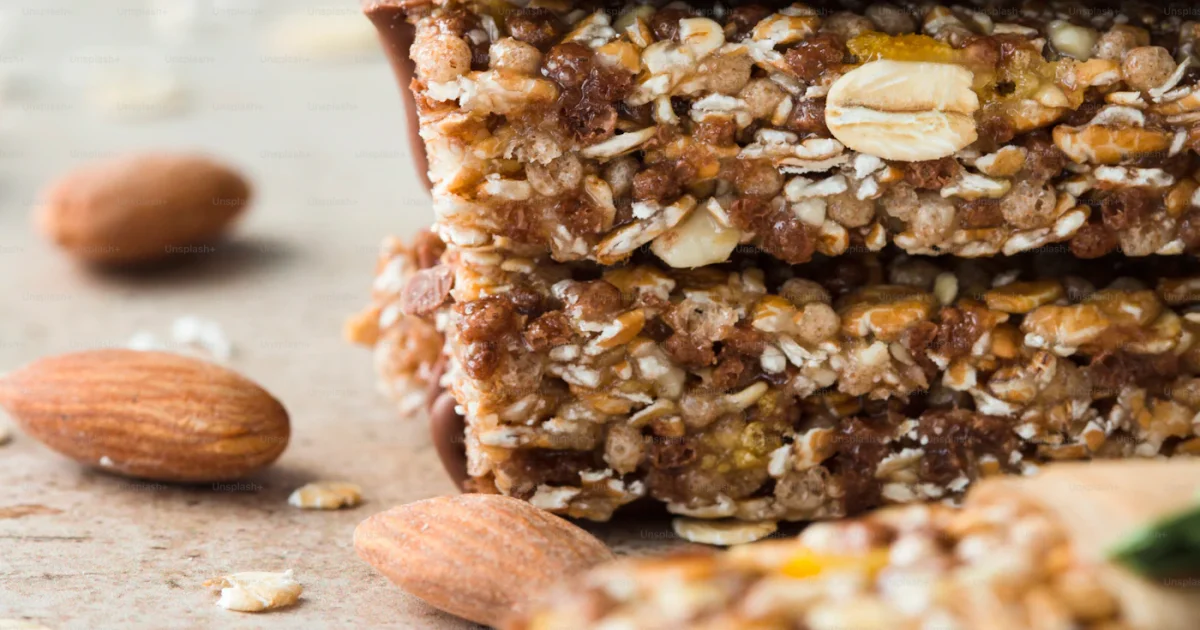
Are CLIF Bars Halal? Ingredients, Gelatin & Certification (2026)
CLIF Bars are Mushbooh — no halal certification, but most contain no gelatin. The concern is E471 in some variants and shared manufacturing facilities.
Understanding E-Numbers: A Beginner's Guide for Muslim Shoppers
New to checking E-numbers? This beginner's guide explains what E-numbers are, how they are categorised, and which ones Muslim consumers need to watch out for.
How to Check E-Numbers in the UK: Step-by-Step Guide
How to check E-numbers in the UK for halal compliance. Step-by-step guide using HalalCodeCheck, manual label reading, and manufacturer contact strategies.
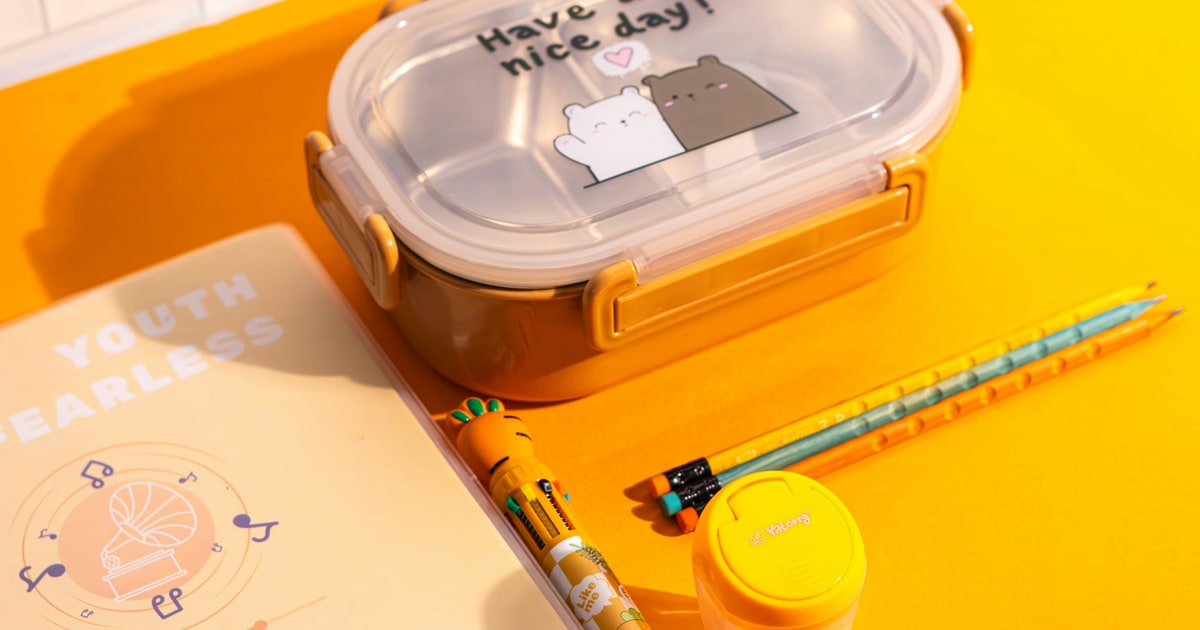
Halal School Lunch Ideas UK: Products, Planning & Labels
Pack halal school lunches with confidence. This guide covers safe products, what to avoid, and how to check labels on common UK packed lunch items.
Halal Meal Prep: A Label-Reading System for Weekly Shopping
A practical label-reading system for halal weekly meal prep. Step-by-step guide covering meat, dairy, E-codes, and a ready-to-use halal shopping template.
How to Identify Halal Certified Products: Logos, E-Codes & Labels (2026)
Look for HMC, HFA, JAKIM or IFANCA logos on the pack. If there's no logo, check E-codes. A step-by-step system covering 95% of halal concerns in 60 seconds.
How to Identify Halal Products in Turkey: Migros, BİM & CarrefourSA Guide (2026)
How to identify halal products in Turkey — Diyanet, GIMDES, and TSE halal certification, Turkish label terms (jelatin, alkol, domuz), why 'Turkish = halal' is a dangerous assumption, and what to check at Migros, BİM, and CarrefourSA.
How to Identify Halal Products in Portugal: Continente, Lidl & Pingo Doce Guide (2026)
How to identify halal products in Portuguese supermarkets — ORPLAD halal certification, Portuguese label terms (porco, chouriço, presunto, gelatina, vinho), and what to check at Continente, Lidl Portugal, and Pingo Doce.
How to Identify Halal Products in the USA: Walmart, Kroger & Costco Guide (2026)
How to identify halal products in US supermarkets — IFANCA and ISA logos, the 4 E-codes that matter most, and what to check at Walmart, Kroger, Costco, and Whole Foods.
How to Identify Halal Products in the UK: 5-Step Aisle Guide (2026)
How to identify halal products in UK supermarkets — recognised certification logos (HMC, HFA), the E-codes that matter, and what to check on every label in Tesco, Sainsbury's, and Asda.
How to Identify Halal Products in Germany: Edeka, Lidl & Aldi Guide (2026)
How to identify halal products in German supermarkets — Halal Control e.V. and HQC logos, the German label terms (Schweinefleisch, Gelatine, Alkohol), and what to check at Edeka, Rewe, Lidl, and Aldi.
Comment Identifier les Produits Halal en France: Guide Complet (2026)
How to identify halal products in France — AVS, Mosquée de Paris, and SFCVH logos, the French label terms to scan for (porc, gélatine, alcool), and which Carrefour, Leclerc, and Auchan products to trust.
How to Identify Halal Products in Spain: Mercadona, Carrefour & Lidl Guide (2026)
How to identify halal products in Spanish supermarkets — Instituto Halal (Junta Islámica) certification, the Spanish label terms (cerdo, jamón, gelatina, vino), and what to check at Mercadona, Carrefour, and Lidl España.
How to Identify Halal Products in Italy: Coop, Conad & Esselunga Guide (2026)
How to identify halal products in Italian supermarkets — Halal Italia and CO.RE.IS logos, the Italian label terms (maiale, suino, gelatina, vino), and what to check at Coop, Conad, Esselunga, and Lidl Italia.
How to Identify Halal Products in Canada: Loblaws, Metro & Costco Guide (2026)
How to identify halal products in Canadian supermarkets — HMA and Halal Canada logos, the bilingual label terms to scan, and what to check at Loblaws, Metro, Sobeys, and Walmart Canada.
How to Identify Halal Products in Sweden: ICA, Coop & Lidl Guide (2026)
How to identify halal products in Swedish supermarkets — Swedish Halal Council certification, the Swedish label terms (fläskkött, gelatin, alkohol, vin), and what to check at ICA, Coop, Willys, Lidl, and Hemköp.
How to Identify Halal Products in Poland: Biedronka, Lidl & Carrefour Guide (2026)
How to identify halal products in Polish supermarkets — MZR halal certification, the Polish label terms (wieprzowina, smalec, żelatyna, alkohol), and what to check at Biedronka, Lidl, Kaufland, and Carrefour.
How to Identify Halal Products in the Netherlands: AH, Jumbo & Lidl Guide (2026)
How to identify halal products in Dutch supermarkets — HVN and Halal Correct logos, the Dutch label terms (varkensvlees, gelatine, alcohol), and what to check at Albert Heijn, Jumbo, Lidl, and PLUS.
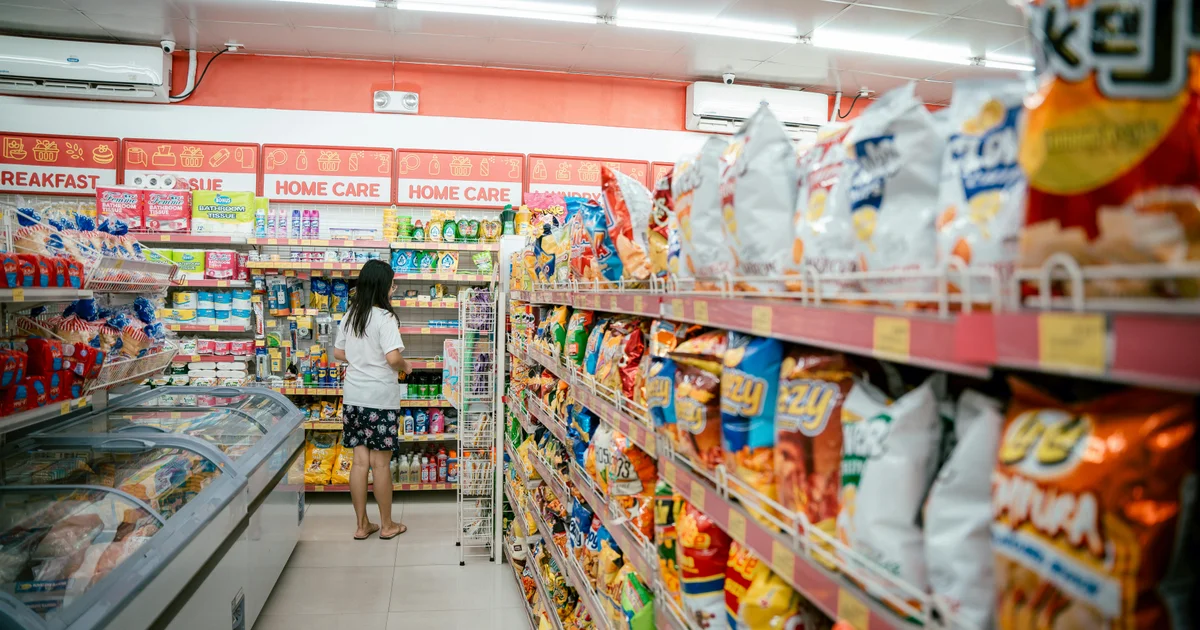
Halal Food in Canada: A Practical Guide for Muslim Shoppers (2026)
How to shop for halal food in Canada — which certification marks to trust, which E-codes to watch for, and where to find halal-certified products at major Canadian retailers.
How to Grocery Shop Halal in 10 Minutes (Step-by-Step System)
A practical 3-step system that lets you verify halal status on any product in under a minute - and build a trusted shopping list that gets easier every week.
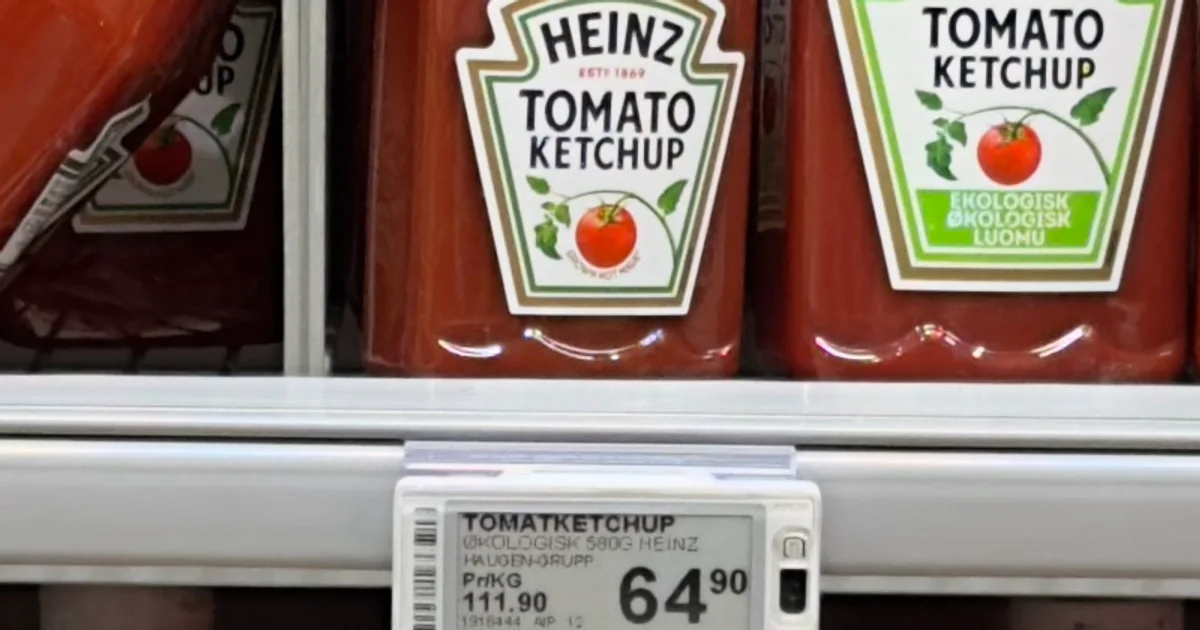
15 Haram Ingredients Hiding in Everyday Groceries (Most Shoppers Miss These)
From gelatin to L-cysteine, these 15 ingredients are in products most Muslim shoppers consider safe. Learn exactly where they hide and how to spot them fast.
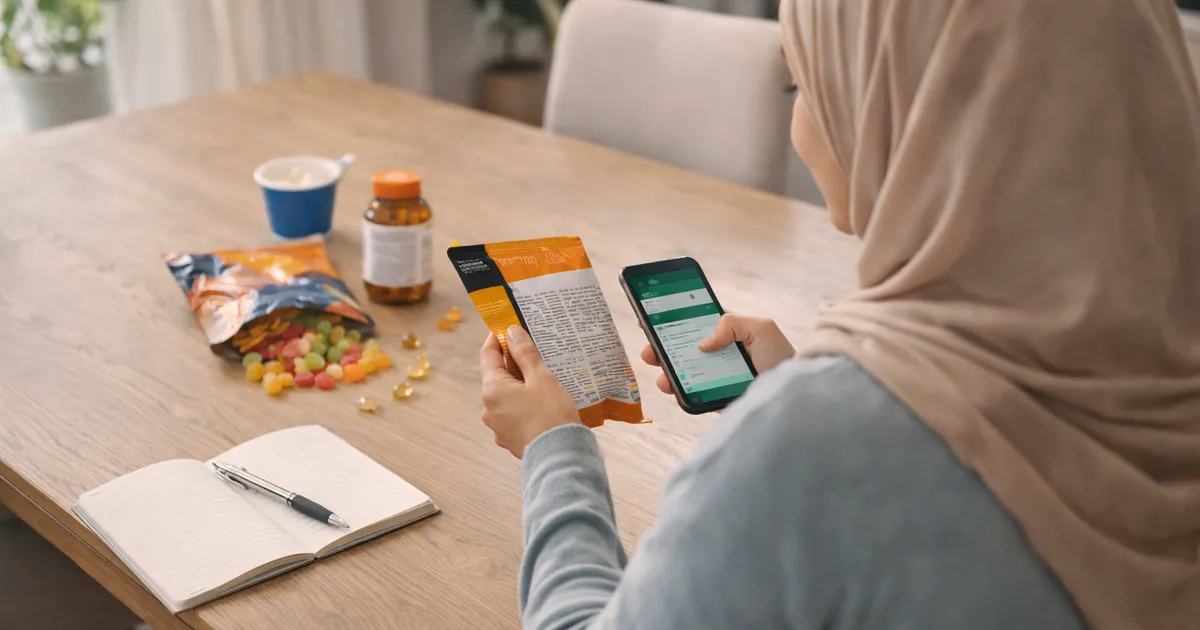
The Most Searched Halal Food Questions, Answered Clearly
Straight answers to common halal food questions Muslims search for every week, from gelatin and E-codes to vegetarian labels and accidental mistakes.
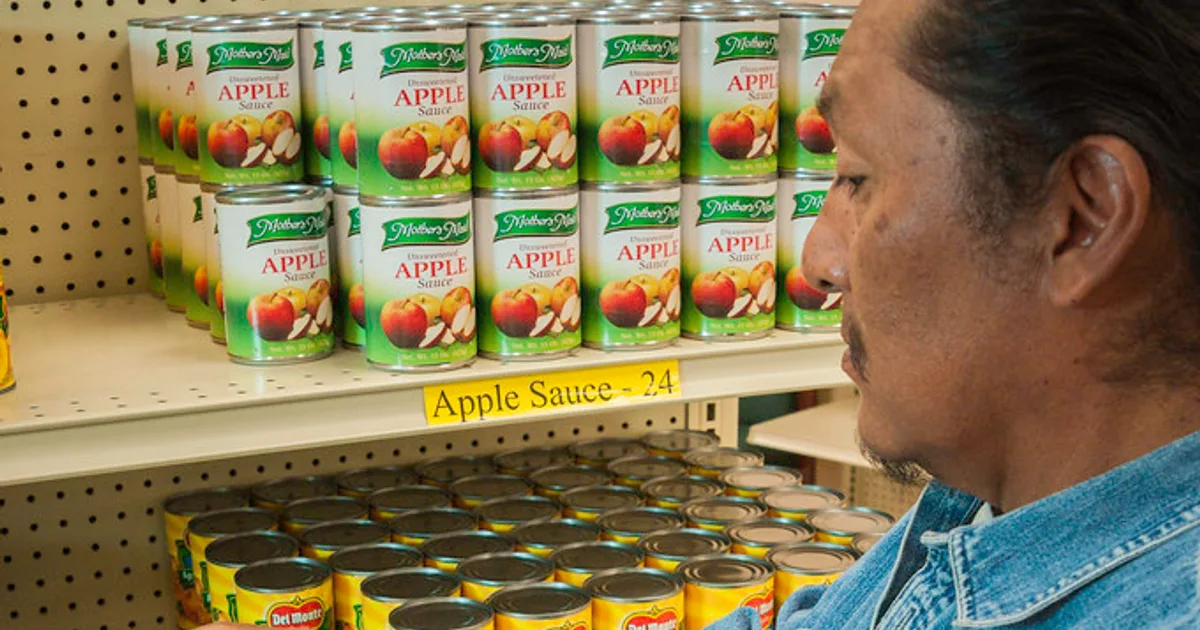
How to Identify Halal Products: 3 Label Checks That Work (2026)
How to identify halal products in 30 seconds: check for a certification mark, scan for haram ingredients, then look up any doubtful E-codes. Full step-by-step guide.
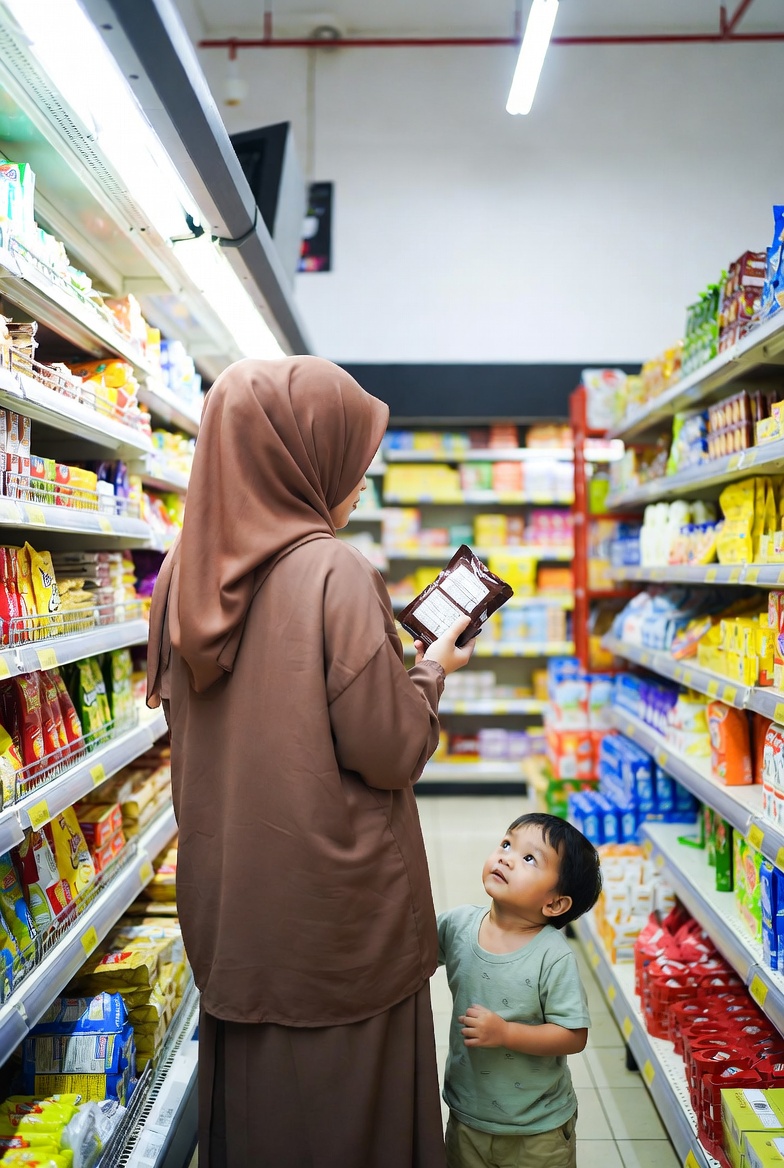
Reading Food Labels: A Muslim Parent's 5-Minute Halal Crash Course
A practical, parent-friendly system to check ingredient labels quickly without stress. Learn what to scan first and what to verify later.
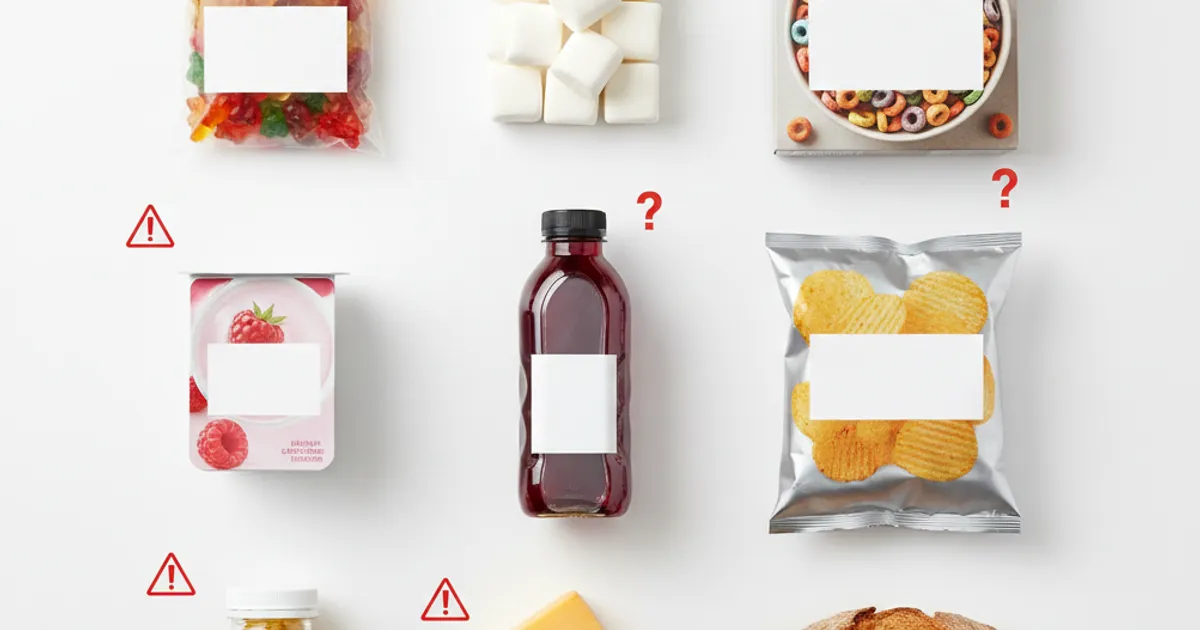
10 Foods You Thought Were Halal (But Usually Are Not)
A practical list of commonly misunderstood foods that can contain non-halal ingredients, plus safer alternatives for Muslim shoppers.
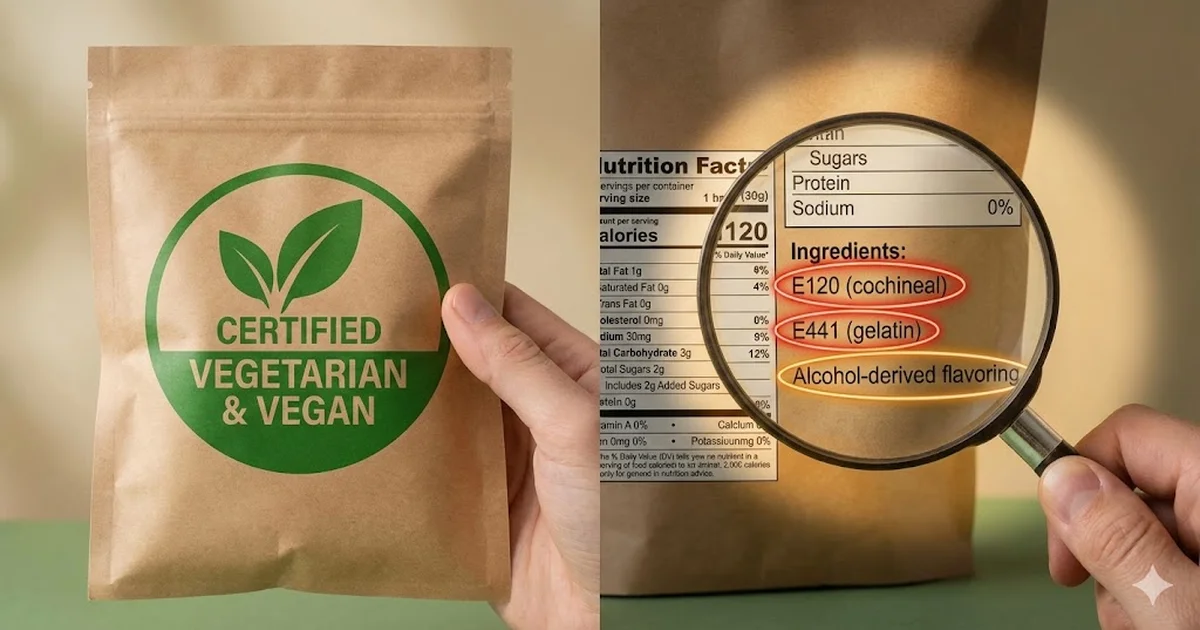
Why 'Vegetarian' Does Not Always Mean Halal
Many Muslim shoppers assume vegetarian products are automatically halal. Learn where that assumption fails and what to check before buying.
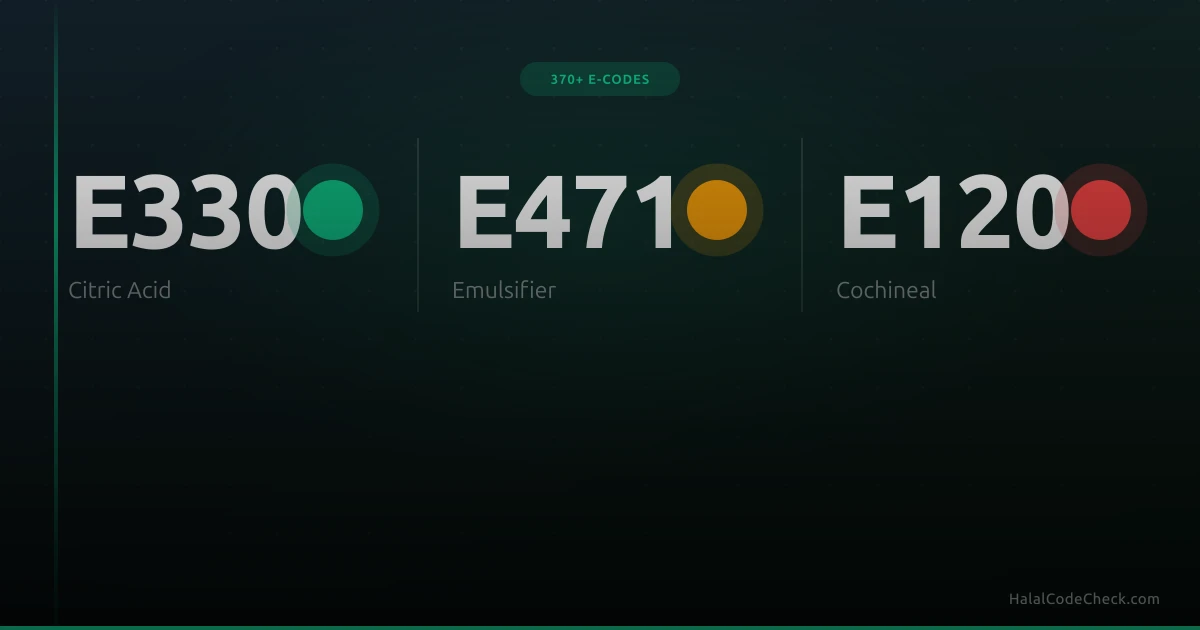
E-Codes Halal Guide: What Every Muslim Shopper Needs to Know
Learn what E-Codes mean, which ones are halal, and how to decode food labels. Complete guide to E-Codes for Muslim shoppers with verification tips.