
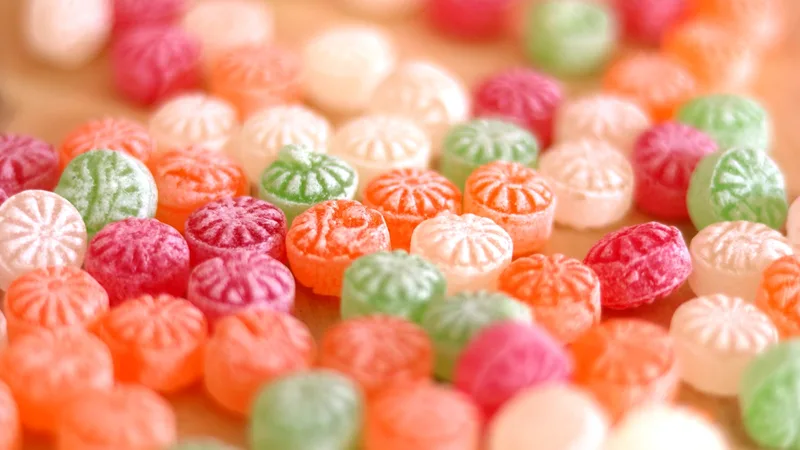
E-Codes in Sweets
6 additives commonly found in this food type
⚠️ 2 additives require source verification
Are Sweets halal?
Sweets commonly contain 6 food additives, of which 4 are Halal, 2 are Mushbooh and 0 are Haram. E110 (Sunset Yellow FCF / Orange Yellow S) and E122 (Carmoisine / Azorubine) require source verification - the same additive can be plant-derived (halal) or animal-derived (haraam) depending on the manufacturer. Look for a halal certification logo or contact the brand directly.
Key concerns in Sweets
These additives are the most important to verify before purchasing.
Source: synthetic azo dye (petroleum-derived)
Synthetic azo dye - halal in dry form. Liquid form requires halal solvent. Part of the 'Southampton Six' colors linked to hyperactivity…
Source: synthetic azo dye (petroleum-derived)
Verify the source before buying
2 additives in sweets are source-dependent. The label alone is insufficient - you need to know whether the additive was derived from plant, animal, or synthetic sources.
💡 "Suitable for vegetarians" is a useful shortcut - it typically rules out pork-derived fats and animal-derived gelatine.
E-codes found in Sweets (6)
Tap any code for a full halal verdict and ingredient details.
Halal-Certified Alternatives
Related Food Categories
These food types share E-codes with sweets:
Was this page helpful?