
Halal Food Guides & Education
Expert guides to help you navigate halal food choices with confidence. Learn about E-numbers, ingredients, and how to verify halal status.
Page 17 of 28

Is Protein Powder Halal? UK Brands Compared (Whey, Vegan, Casein)
Whey protein is Mushbooh without halal certification — it's dairy-derived but processing aids may be animal-based. Vegan protein is generally halal. Full UK brand guide.

Is Pre-Workout Halal? Caffeine, Beta-Alanine & Proprietary Blends
Most pre-workout powders are halal in formula but lack halal certification. Key concerns: undisclosed flavoring sources, gelatine in capsule form, and alcohol-based extracts.

Is Omega-3 Fish Oil Halal? Gelatin Capsules vs Enteric-Coated
Fish oil omega-3 is halal — fish is generally permissible. The concern is the capsule: standard softgels use pork gelatin. Look for fish gelatin or enteric-coated alternatives.

Is Mirin Halal? Japanese Cooking Wine & Halal Cooking
Standard mirin contains alcohol (14% ABV) and is not halal. Alcohol-free mirin alternatives exist and are the practical solution for halal Japanese cooking.

Is Melatonin Halal? Gelatin Capsules vs Gummies Checked
Melatonin itself is halal — it's synthetically produced. The concern is the delivery format: gelatin capsules and gummies may contain pork gelatin.

Is L-Carnitine Halal? Meat-Derived Supplement Checked
L-Carnitine halal status depends on production method — synthetic L-Carnitine is halal, but bacterial fermentation and meat-extracted variants require verification.

Is Kombucha Halal or Haram? Fermentation & Alcohol Content
Kombucha's halal status is Mushbooh — fermentation produces a small amount of alcohol (0.5-3%). Most scholars require the alcohol content to be below 0.5% for permissibility.

Is Inositol Halal? PCOS & Mental Health Supplement Checked
Inositol is halal when derived from plants — myo-inositol and D-chiro-inositol are typically made from plant sources. Check the capsule format.
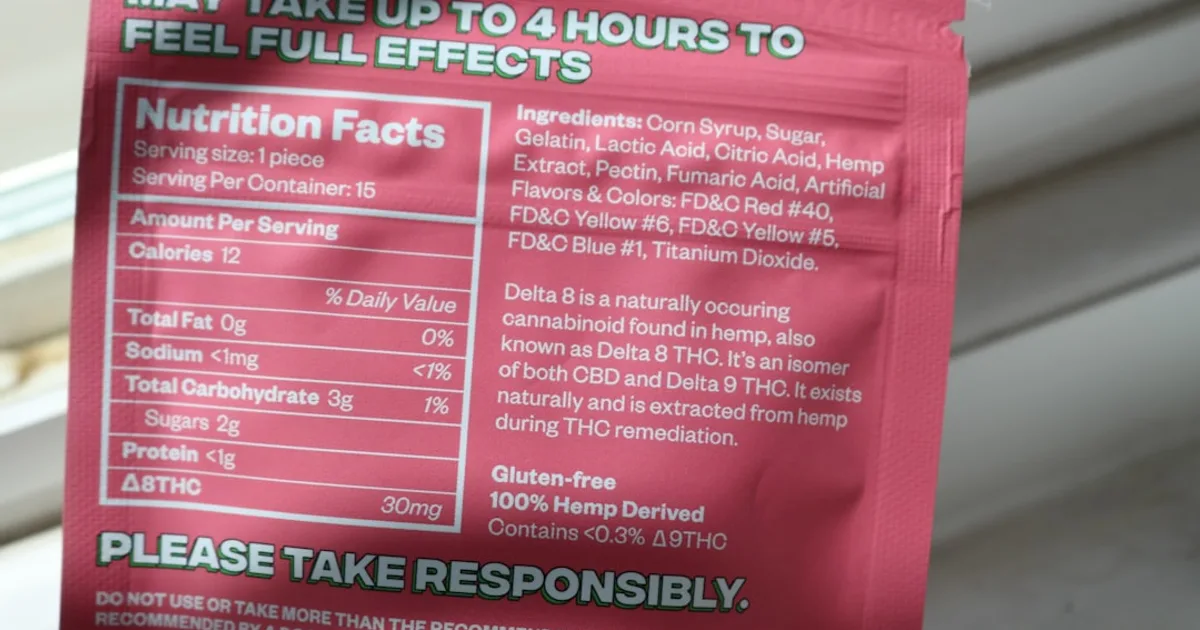
Is Halal Food Actually Halal? The Certification Trust Gap
Some products claim halal but aren't — this is an honest look at the certification trust gap, the four failure modes, and a practical 5-point consumer verification framework.
Is Halal Certification Trustworthy? How to Spot Fake or Weak Logos
Not all halal logos are equal — some are self-certified with no audit, others are internationally recognized with facility inspections. Here's how to tell them apart.
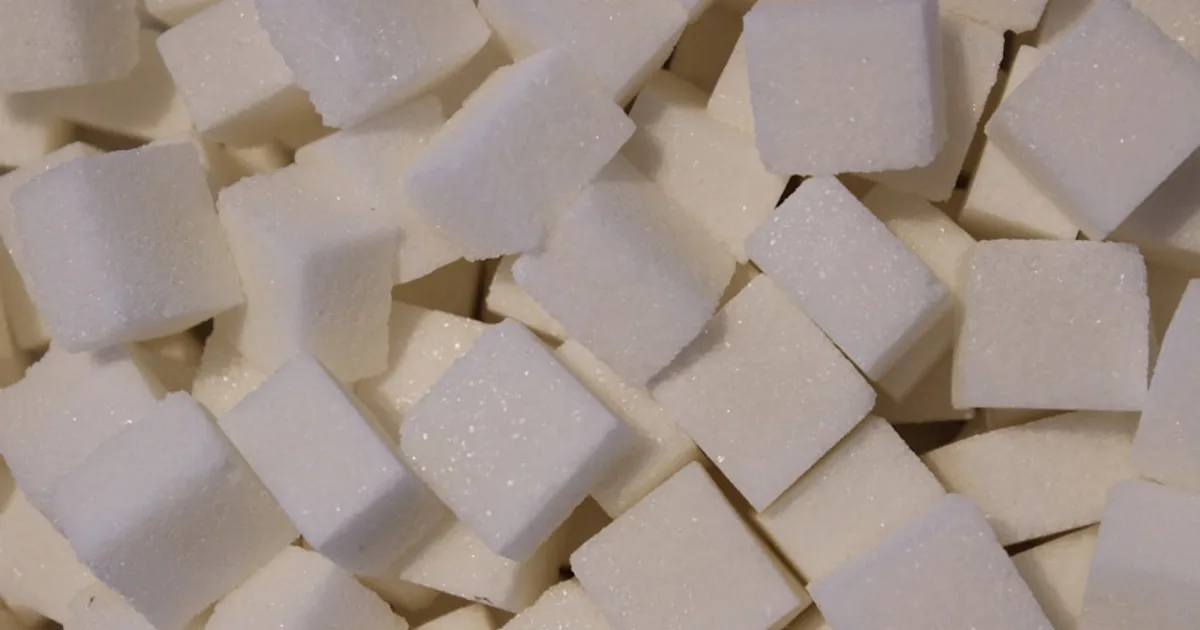
E951 Aspartame: Is It Halal? Diet Coke, Sugar-Free & More (2026)
E951 aspartame is halal — it's a synthetic amino acid sweetener with no animal derivatives. But check the capsule carrier in supplement form.
E950 Acesulfame K: Halal, Haram or Mushbooh? Complete Guide
E950 Acesulfame K is halal — it's a synthetic sweetener with no animal-derived ingredients. Found in energy drinks, diet foods, and sugar-free gum.
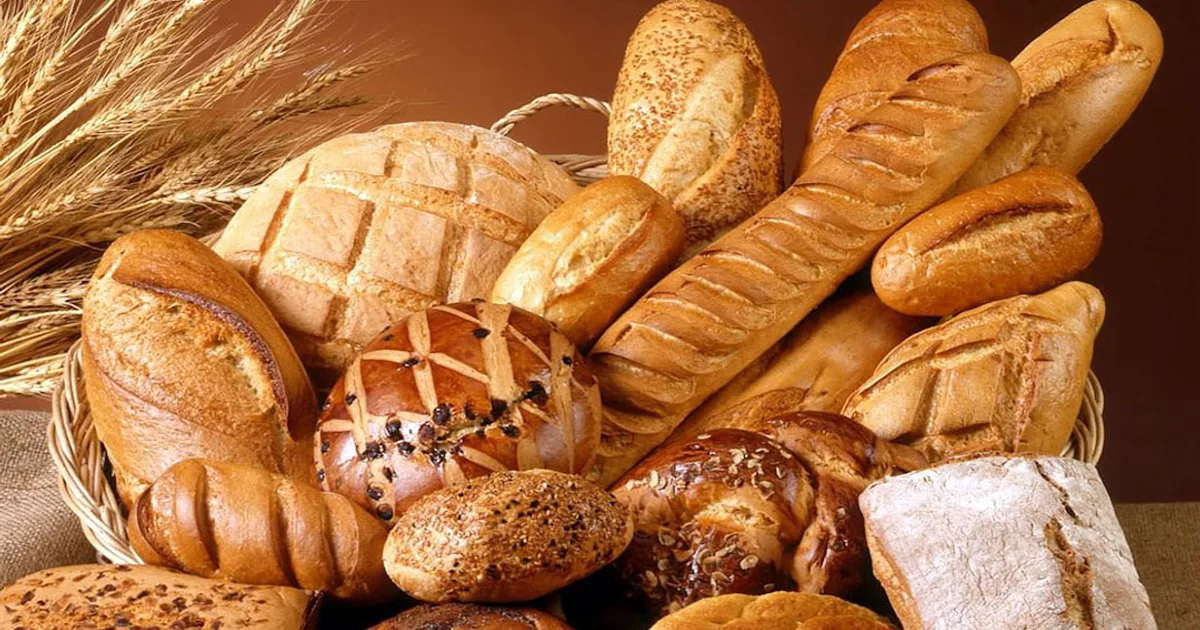
E481 (Sodium Stearoyl Lactylate): Why Your Bread May Be Mushbooh
E481 SSL is Mushbooh — the stearic acid in this bread emulsifier may come from animal fat. No disclosure on most UK bread labels.
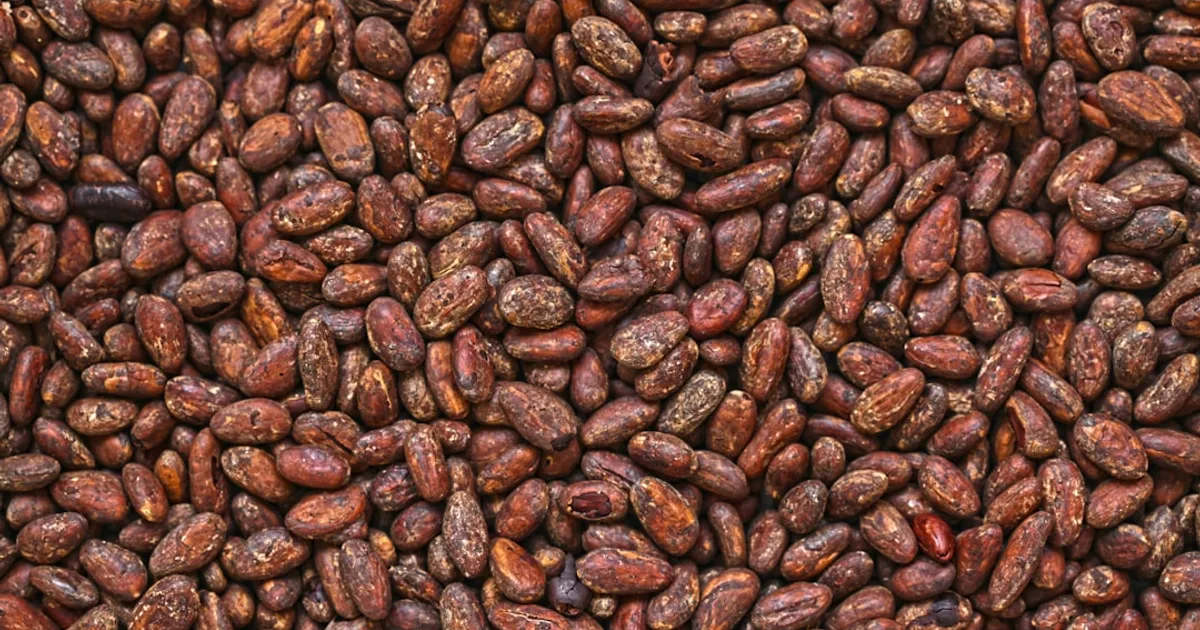
E476 (PGPR): Is It Halal? The Chocolate Emulsifier Guide (2026)
E476 (PGPR) is Mushbooh — made from castor oil and glycerol that may be animal-derived. Here's what every halal-conscious chocolate buyer needs to know.
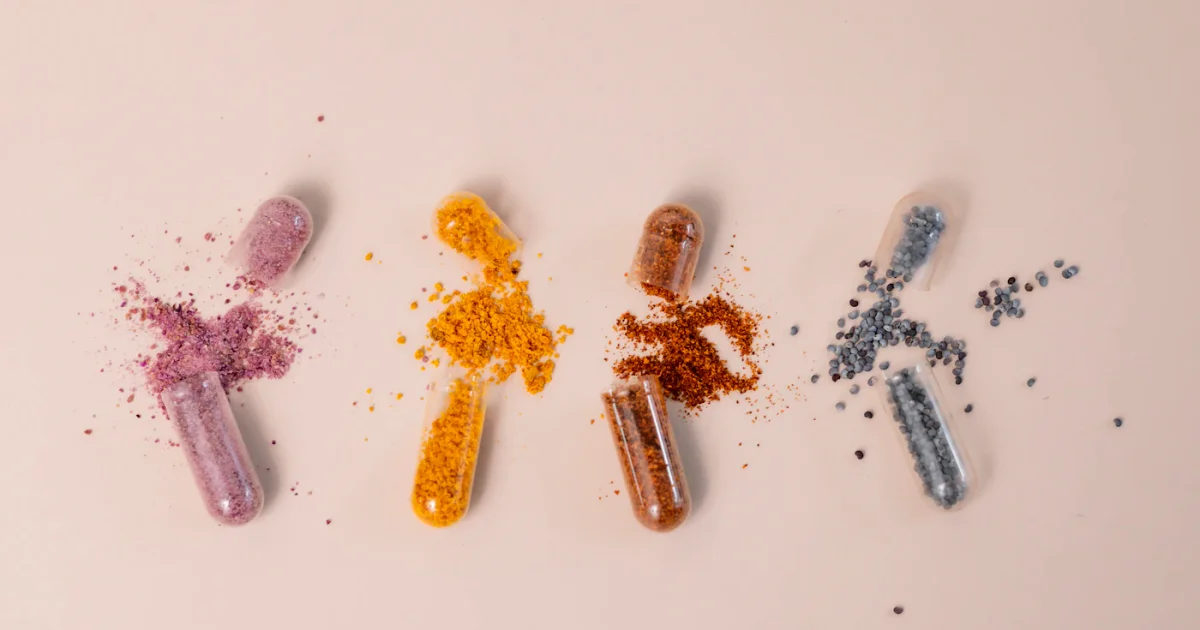
E470b Magnesium Stearate: The Supplement Ingredient You Need to Check
E470b magnesium stearate is Mushbooh — the stearic acid component can be animal-derived (often pork). Critical check for supplement capsules.
E450 Diphosphates: The Processed Food Additive Most People Miss
E450 diphosphates are halal — they're mineral-derived phosphate salts with no animal components. Found widely in processed meats and baking powder.
E339 Sodium Phosphates: Halal Guide for Processed Cheese & Meats
E339 sodium phosphates are halal — mineral salts with no animal derivatives. The concern is what they're found IN, not what they're made from.

E322 Lecithin: Soy vs Sunflower — Which Is Halal?
E322 lecithin is usually halal — most is soy or sunflower-derived. Egg lecithin and animal-derived variants exist but are rare. Here's how to tell.