
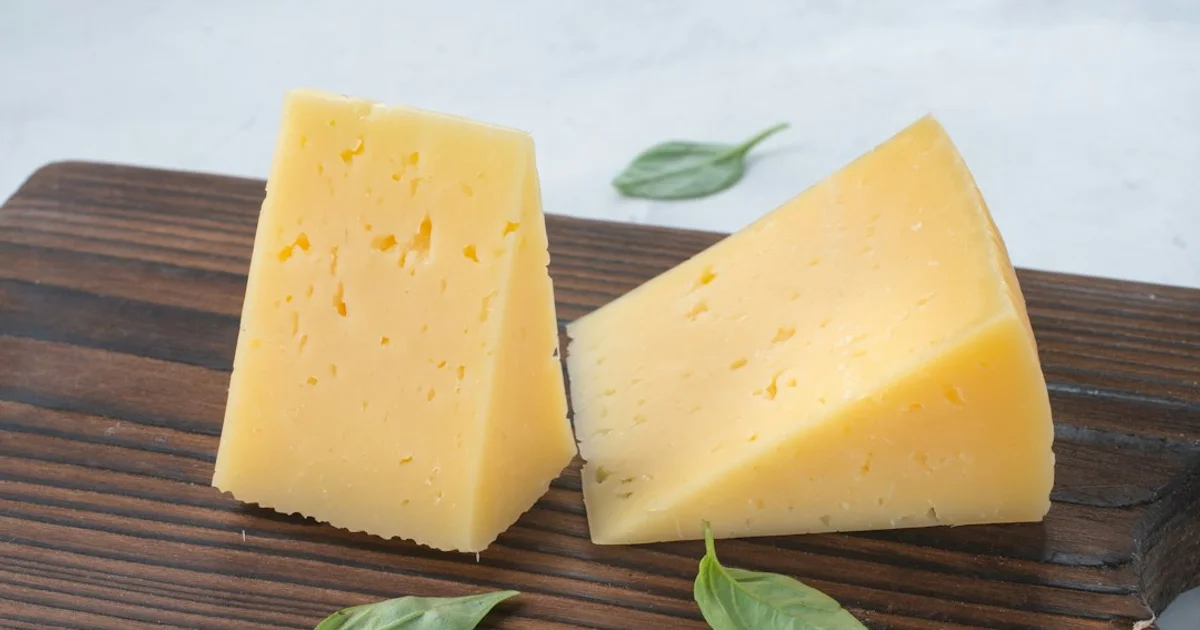
Someone photographed the words “Certified Halal” on a block of Tillamook cheddar in September 2026, and within a week the brand was being called names on social media and told it had changed its recipe to please Muslims.
It had not. The ingredient behind the label went into Tillamook cheese in 2016. The label describes an enzyme, the recipe is the same four ingredients it has been for years, and for Muslim shoppers the interesting question is not the boycott at all. It is what, precisely, the mark covers and what it leaves out.
Tillamook dairy products are halal in formulation — the cooperative uses microbial/vegetarian rennet in their cheese production and some products carry halal certification.
Full Tillamook brand guide →What the label actually certifies
Cheese cannot be made without a coagulating enzyme. The traditional one is rennet from the stomach lining of calves, which is the single biggest halal question in cheese, because a calf not slaughtered the halal way makes the enzyme impermissible under the mainstream of the Sunni schools. Our cheese halal guide covers the rule in full.
Tillamook’s own FAQ answers the question directly. Since 2016, the company says, it has used a fermentation-produced rennet that has kosher and halal certification and is vegetarian. It describes the method as proprietary, states the rennet is classed as “not genetically engineered” under US bioengineered-food labelling rules, and says it does not use rennet made by a pharmaceutical company.
That rennet is what the label is about. Tillamook’s miscellaneous FAQ, under “Are any of your products halal?”, says the majority of its cheeses are halal certified and tells customers to check the packaging for a halal certification symbol to know whether a given cheese is certified. The Certified Halal mark on the pack is that symbol.
Two things the label is not:
- It is not a new ingredient. The switch happened in 2016. The label caught attention in 2026.
- It is not a change to the recipe. Tillamook cheddar is cultured milk, enzymes, salt and annatto, and the white cheddars drop the annatto. The enzyme line has read “fermentation-produced rennet” for nearly a decade.
The exception: Maker’s Reserve 10-Year
Tillamook’s FAQ says all of its cheese is vegetarian “with the exception of Maker’s Reserve 10-Year Extra Sharp Cheddar”, and separately recommends that cheddar to customers who want cheese made with animal rennet.
So one product in the range uses traditional animal rennet, and the halal label does not apply to it. Tillamook does not state the source animal or slaughter method for that rennet, which under this site’s rules means Maker’s Reserve 10-Year Extra Sharp Cheddar is Mushbooh, not halal. Every other cheddar in the Maker’s Reserve line, and the standard range, uses the fermentation-produced rennet.
| Product | Rennet | Halal position |
|---|---|---|
| Medium, Sharp, Extra Sharp cheddars (yellow and white) | Fermentation-produced, vegetarian | Halal in formulation; Certified Halal mark on pack |
| Monterey Jack, Colby Jack, Pepper Jack, Mozzarella, Swiss, Havarti and other pasteurised-milk cheeses | Fermentation-produced, vegetarian | Halal in formulation; check the pack for the mark |
| Kosher Medium Cheddar | Fermentation-produced, vegetarian; made under rabbinical supervision | Halal in formulation |
| Maker’s Reserve cheddars other than the 10-Year | Fermentation-produced, vegetarian | Halal in formulation |
| Maker’s Reserve 10-Year Extra Sharp Cheddar | Animal rennet, source not stated | Mushbooh |
What the label does not tell you
It does not name the certifier. Tillamook’s FAQ says the rennet “has Kosher and Halal certification” and the pack says “Certified Halal”, but neither names the body. Under HalalCodeCheck’s rules a product is “certified” only when we can name who certified it and when it was checked, so we describe Tillamook cheese as halal in formulation with a manufacturer-stated certification, not as certified by a named body. If you need the certifier’s name, it should be on the pack beside the mark, or available from Tillamook’s consumer line.
It does not cover the rest of the dairy case, and Tillamook says so. The same FAQ answer states that its ice cream is not certified halal, though every flavour except Rocky Road is vegetarian and contains no animal-derived ingredient other than milk and eggs; that its yogurt, sour cream, butter and cream cheese spreads have no halal certification but are all vegetarian; and that its frozen meals have no halal certification and sometimes contain meat. A viral post claimed the mark had appeared on ice cream and yogurt. Tillamook’s own FAQ contradicts it.
It does not change the dairy itself. Milk is milk. The label is about one enzyme.
The boycott, briefly
From around 17 September 2026 a number of conservative social media accounts, including a pastor, an author and the account of a political advocacy group, posted the label and called for a boycott, with some describing the brand in abusive terms. Snopes examined the claim on 24 September and rated it True in the narrow sense: the label exists and the boycott calls were made. It could not establish the boycott’s size, how long the label had been used, or any sales effect, and said it had asked Tillamook.
At the time of writing Tillamook had not issued a public statement on the boycott. Its website FAQ continues to state the 2016 rennet change.
For Muslim readers the practical lesson is the one that runs through every page on this site. A halal label is a claim about ingredients and process. Read what it covers, read what it excludes, and the noise around it stops mattering.
How to read any “Certified Halal” cheese label in 30 seconds
- Find the enzyme line in the ingredients. “Enzymes (rennet)”, “microbial enzymes”, “vegetarian rennet” or “fermentation-produced rennet” point to a non-animal source; “animal rennet” or plain “rennet” with no qualifier does not.
- Check the vegetarian statement. A cheese labelled vegetarian cannot contain calf rennet, which removes the main halal question even without a halal mark.
- Look for the certifier’s name next to the halal mark. A mark with no body named is a manufacturer claim; a mark with a named body can be checked against that body’s register.
- Check the exception list. Brands with a vegetarian range often keep one traditional-rennet product for flavour. Tillamook’s is the Maker’s Reserve 10-Year.
Summary
| Question | Answer |
|---|---|
| Is Tillamook cheese halal? | Halal in formulation; most of the range carries a Certified Halal mark |
| Why the label? | Fermentation-produced, vegetarian rennet used since 2016, which Tillamook states is kosher and halal certified |
| Did the recipe change in 2026? | No; the label describes an ingredient in use for nearly a decade |
| Which cheese is excluded? | Maker’s Reserve 10-Year Extra Sharp Cheddar, made with animal rennet — Mushbooh |
| Who certifies it? | Not named in Tillamook’s public FAQ; check the pack for the body’s name |
| Does the label cover ice cream, yogurt or butter? | No; Tillamook’s FAQ says none of those is halal certified (all vegetarian except Rocky Road ice cream) |
| Was the boycott real? | The calls were real (Snopes, 24 September 2026); the claim of a recipe change was not |
Look up any E-code from a cheese label in the E-codes database.
To scan a full ingredient list for halal status in seconds, use the ingredient scanner.
For the brand-level record, see our Tillamook brand guide; for the wider rennet question, is cheddar cheese halal? and are starter cultures and microbial rennet halal?.
How we reached this verdict
We checked the following Tier-1 sources before publishing:
- Tillamook — cheese FAQ, “What is rennet? What types of rennet do you use?”: “Since 2016, we have utilized fermentation-produced rennet that has Kosher and Halal certification and is vegetarian.” Recommends Maker’s Reserve 10-Year Extra Sharp Cheddar for customers who want animal rennet.
- Tillamook — cheese FAQ, “Is your cheese vegetarian?”: all cheese is vegetarian “with the exception of Maker’s Reserve 10-Year Extra Sharp Cheddar”.
- Tillamook — cheese FAQ, cheddar ingredients: cultured milk, enzymes (rennet), salt, annatto; white cheddars omit annatto.
- Tillamook — miscellaneous FAQ, “Are any of your products halal?”: the majority of its cheeses are halal certified, check the packaging for the symbol; ice cream not certified halal, all flavours except Rocky Road vegetarian; yogurt, sour cream, butter and cream cheese spreads not certified, all vegetarian; frozen meals not certified and sometimes contain meat. Certifier not named.
- Snopes — “Tillamook cheese faces boycott over halal label on its packaging. How serious is it?” (24 September 2026): rated True; could not determine scale, duration of label use, or sales effect.
- Press reporting (International Business Times, 18 September 2026): boycott calls from conservative accounts from 17 September; company reported as saying most cheeses are halal-certified with the 10-Year cheddar excepted; no company statement on the boycott.
- Certification bodies (IFANCA, HMC, HFA, JAKIM, MUI) — no register entry we could locate names Tillamook or its rennet supplier. Tillamook has not named its certifier publicly. We therefore describe the mark as a manufacturer-stated certification rather than a certification by a named body.
- Sunni fatwa scholarship on rennet — microbial and fermentation-produced rennet accepted across all four schools; animal rennet from an animal not slaughtered the halal way impermissible under the Hanafi, Maliki and Hanbali mainstream, with a minority Shafi’i position on transformation that is not the applied ruling in the US or UK.
Madhab note
- Fermentation-produced and microbial rennet — halal under all four Sunni madhabs. There is no scholarly disagreement on this, which is why the standard Tillamook range raises no school-specific issue.
- Animal rennet from a non-halal-slaughtered animal (the Maker’s Reserve 10-Year) — impermissible under Hanafi, Maliki and Hanbali positions as applied by Darul Iftaa Birmingham, AskImam and the Saudi Permanent Committee. A Shafi’i minority view treats rennet as transformed and permissible regardless of source; it is not the mainstream applied ruling, and we rate the product Mushbooh rather than haram because Tillamook does not state the source animal or slaughter method.
Ingredients change. Be first to know.
Brands reformulate without warning. We track every E-code update and halal certification — one short weekly email.
Related Articles
 Brand Guides
Paris Baguette Singapore Is MUIS-Certified: What Changed, and Why It Sold More Bread
All Paris Baguette outlets in Singapore have held MUIS halal certification since 13 February 2026, replacing the chain's earlier 'no pork, no lard' wording. The company credits certification for part of a 57% rise in loaf-bread sales after its Paran Label rollout. What the certificate covers, store by store.
 Brand Guides
Jaya Grocer's JS Meats Is Now JAKIM-Certified: What the Central Kitchen Certificate Adds
Jaya Grocer's in-house JS Meats range gained JAKIM halal certification in October 2026, covering cutting, handling and packing at its central kitchen. The meat was already sourced from certified suppliers; here is what the new layer verifies and what it still does not cover.
 Brand Guides
Is ESN Halal? 30 Products Are Certified, the Production Line Is Not
ESN says its production is not halal certified but 30 products are: selected Designer Whey and Designer Bar flavours, creatine, the Perfect range and the vitamin stack. Collagen Peptides is beef-derived and not on the list, so it is Mushbooh at best. Verdict: Varies by product.