
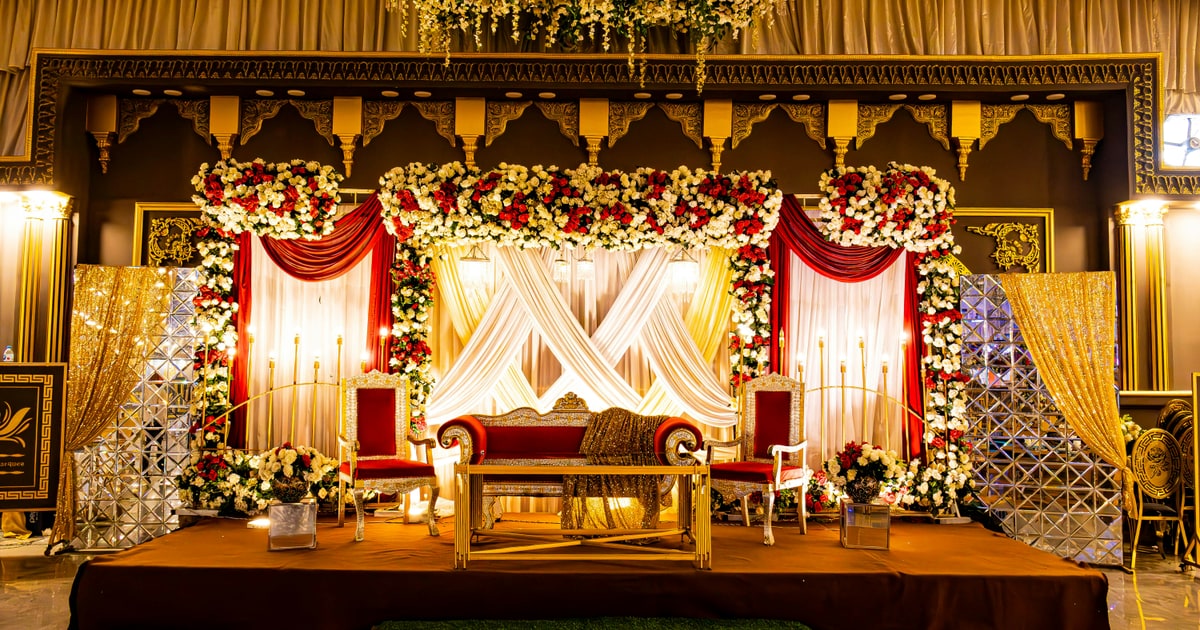
A Muslim wedding is one of the most significant events in Islamic family life, and the food served must be unambiguously halal — not just “mostly fine” or “probably okay.” This guide covers every food category at a Muslim wedding, the specific checks to make, and the questions to ask caterers.
The Meat Requirement: Non-Negotiable
Halal slaughter (zabiha) is the foundation of halal meat. At a wedding, the meat served must come from a certified halal source. There is no shortcut here.
What to ask your caterer:
- “Where does your meat come from, and is it halal certified?”
- “Which certification body?” — HMC, HFA (UK), IFANCA (US), JAKIM (Malaysia), MUI (Indonesia), or equivalent
- “Can I see the halal certificate from your meat supplier?”
A caterer who cannot answer these questions has not verified their supply chain. For a Muslim wedding, this is not an acceptable position.
Red flags:
- “Our chicken is halal but we’re not sure about the lamb”
- “It’s from an Asian butcher so it should be halal” — ethnic origin does not equal halal certification
- “We can order halal specially” — ask to see the certificate from that specific supplier
Cross-contamination: If the caterer also serves non-halal functions, ask whether halal and non-halal food is prepared in separate areas with separate utensils. Some caterers use dedicated halal kitchens; others do not. This matters particularly for strict halal standards.
The Wedding Buffet: Category by Category
Rice dishes (biryani, pilaf, rice and peas): Rice-based dishes are typically halal — the concern is the meat content. Confirm the chicken, lamb, or beef is from the certified halal supplier.
Curry and stew-based dishes: Same concern — meat sourcing. Stock and gravy made from non-halal meat bones or stock cubes (some contain pork-derived gelatin as a carrier) can also be an issue. Ask whether the stock used is vegetable-based or from halal-certified meat.
Fish dishes: All fish is halal regardless of slaughter method. Fish dishes at a wedding buffet carry no halal concerns beyond checking for alcohol in the sauce or marinade.
Vegetarian and vegan dishes: Fully halal — the concern is only whether they contain alcohol in cooking or E471 from animal-derived sources in commercial sauces. Vegan dishes from caterers using plant-based ingredients are clean.
Salads and mezze: Generally safe. Hummus, tabbouleh, fattoush, and similar mezze are halal. Check dressings for E-code additives in commercial pre-made versions.
Wedding Cake: The Full Check
Traditional tiered wedding cakes have several potential halal concerns:
Fruit cake layers with alcohol: Classic British fruit cake recipes call for brandy or rum, added during preparation and maturation. This is explicit haram. Specify alcohol-free fruit cake, or opt for a Victoria sponge or lemon drizzle alternative throughout.
Fondant icing: The smooth white covering on most tiered wedding cakes. Commercial sugarpaste / fondant may contain:
- E422 (glycerol) — source undeclared in standard fondant; Renshaw’s Vegan fondant uses plant-derived glycerol
- Gelatine — some commercial modelling pastes contain porcine gelatine for elasticity
Ask your cake maker specifically: “What brand of fondant do you use, and does it contain gelatine?” A good baker will know.
Decorations:
- Fresh flowers — halal (but check they have not been treated with non-food-grade chemicals if they will be directly on edible surfaces)
- Sugar flowers and handmade decorations — check if they used any gelatine-containing paste
- Metallic or high-gloss sugar pearls — may contain E904 (shellac, an insect-derived resin) as coating
Cream-based fillings: Fresh cream, buttercream, and ganache are halal. Stabilised commercial mousses or custard-based fillings may contain gelatine — ask your baker.
Dessert Buffet: Hidden Concerns
Tiramisu — contains alcohol (Marsala wine or rum) and is haram as traditionally made. Some caterers offer halal versions using coffee syrup only — ask explicitly.
Trifle — traditional recipes use sherry; modern versions may not. Check with the caterer.
Panna cotta and mousse — typically set with gelatine (usually porcine in commercial kitchens). Ask whether beef gelatine is used, and whether it is halal certified.
Cheesecake — the base is halal; cream cheese is halal; some recipes use gelatine in the filling — ask.
Jelly-based desserts — porcine gelatine unless specifically stated otherwise.
Gulab jamun, baklava, halva, and Middle Eastern/South Asian sweets — typically halal by tradition, but check mass-produced versions.
Wedding Drinks
Non-alcoholic drinks are straightforward. If a venue or caterer suggests including a champagne toast or wine service, be direct: Muslim guests do not drink alcohol, and it should not be present at the function.
Halal-friendly alternatives for toasts:
- Sparkling grape juice (Shloer, Eisberg, or equivalent)
- Non-alcoholic sparkling water with a garnish
- Premium non-alcoholic sparkling beverages
Quick Caterer Checklist
| Item | What to Confirm |
|---|---|
| All meat | Halal certification body + documentation |
| Stocks and gravies | Vegetable-based or halal meat-derived |
| Wedding cake | No alcohol in fruit cake; gelatine-free fondant |
| Desserts | No alcohol; gelatine source confirmed |
| Kitchen | Separate prep area or dedicated halal kitchen |
| Drinks | No alcohol on the menu or table |
Ingredients change. Be first to know.
Brands reformulate without warning. We track every E-code update and halal certification — one short weekly email.
Related Articles
 How-To Guides
 Halal Aqiqah Food Guide 2026: Catering the 7th-Day Celebration
Planning an aqiqah? This guide covers the Islamic requirements, how to source halal meat, what to serve, and E-codes to check in catered and shop-bought aqiqah food.
 How-To Guides
 Halal Father's Day BBQ Guide 2026: Sausages, Sauces and E-Codes
Planning a Father's Day BBQ for a Muslim family? This guide covers which sausages and burgers are halal, E-codes to watch in marinades and sauces, and what to avoid.
 How-To Guides
 Halal Mother's Day Food Guide 2026: Afternoon Tea, Chocolate and What to Check
Planning a halal Mother's Day treat? This guide covers E-codes in afternoon tea, which chocolate boxes are halal, and what to check in cakes and confectionery.