Halal Food Guides & Education
Expert guides to help you navigate halal food choices with confidence. Learn about E-numbers, ingredients, and how to verify halal status.
Page 27 of 28

Is Cadbury Halal? (UK, US, Australia — 2026 Guide)
Cadbury has no halal certification in the UK or US — E442 and E476 are undisclosed, so both markets are mushbooh. Australia and New Zealand are different: Cadbury publishes a 43-product list certified by Halal Certification Authority Australia. Full regional breakdown.

Is Bread Halal? A UK Shopper's Guide to E471, E920, and What to Look For (2026)
Most UK supermarket bread is mushbooh — not haram by default, but not verifiably halal. E471 and E920 are the key additives to check. Here is the complete UK brand breakdown and what to buy instead.

Halal Shopping at Tesco: What to Buy, What to Avoid, and How to Check Labels (2026 UK Guide)
A practical guide to halal shopping at Tesco UK — which departments have halal-certified products, which E-codes to watch for, and how to use the label to verify.

JAKIM Halal E-Codes: Which Food Additives Are Approved in Malaysia (2026 Reference)
A complete reference to E-codes under JAKIM halal certification — which food additives are approved, which are restricted, and how to read Malaysian food labels.
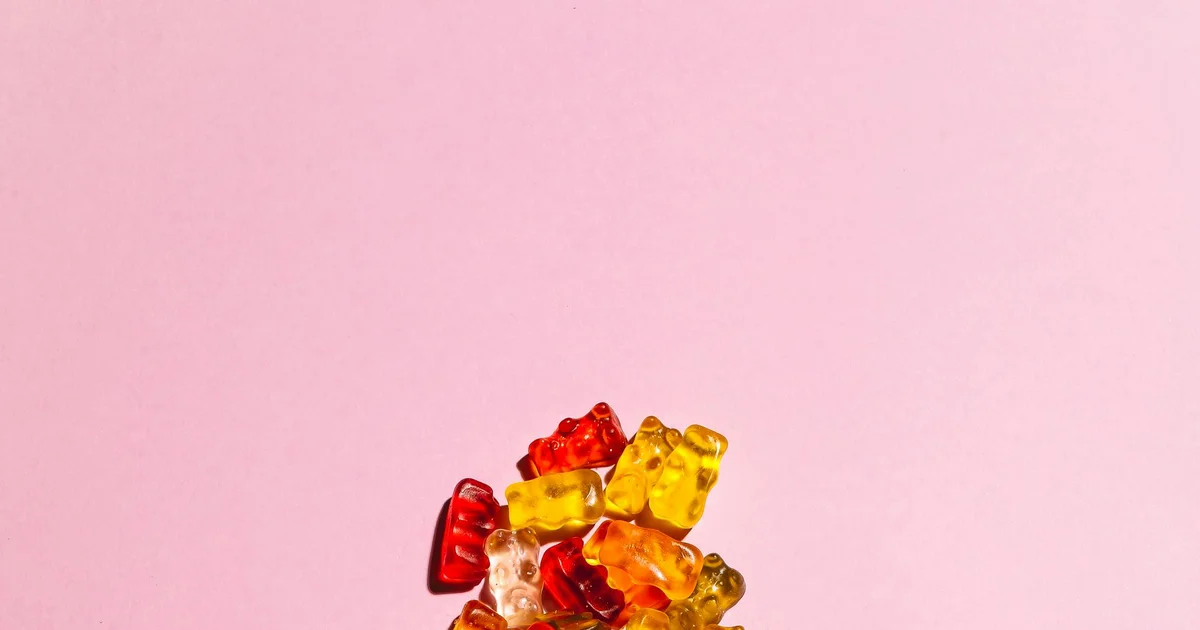
Is Haribo Halal? The Complete UK, EU & Global Guide (2026)
Most Haribo in UK/EU is not halal — it contains pork gelatine. Here's the full regional breakdown, which products to avoid, and where to find halal-certified Haribo.
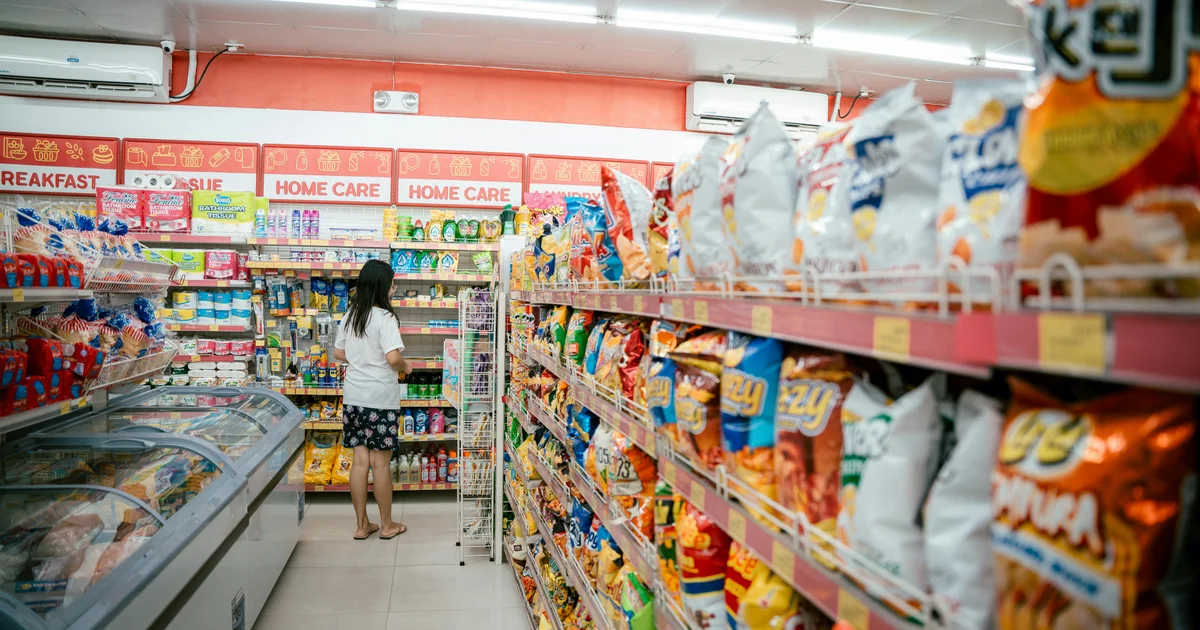
Halal Food in Canada: A Practical Guide for Muslim Shoppers (2026)
How to shop for halal food in Canada — which certification marks to trust, which E-codes to watch for, and where to find halal-certified products at major Canadian retailers.
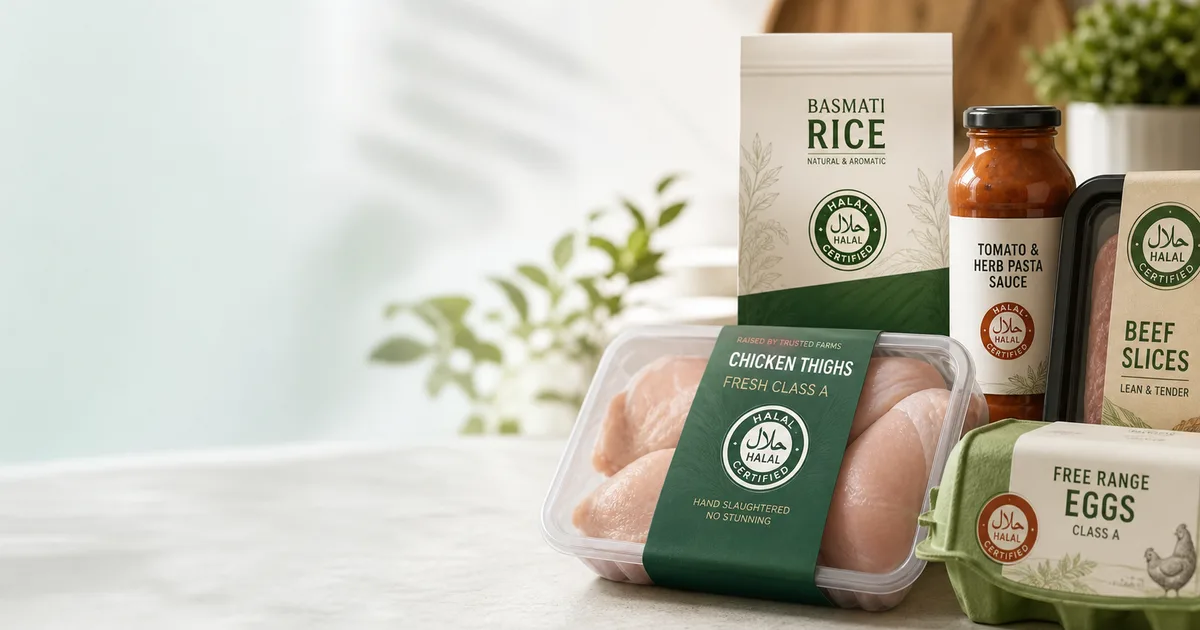
Halal Certification Logos Explained: JAKIM, MUIS, IFANCA, HFA, HMC (2026)
What do JAKIM, MUIS, IFANCA, HFA, and HMC mean on food packaging? This guide shows the most important halal certification marks, explains what each body covers, and how to verify a logo is genuine.

Are Natural Flavours Halal? What the Label Really Means
Natural flavours can be halal or haram — 'natural' doesn't mean plant-based. Learn how to spot animal-derived flavourings, alcohol carriers, and when to ask the manufacturer.

Is Whey Halal? Whey Protein, Whey Powder, and the Rennet Question
Whey is a milk by-product that is generally halal — but porcine rennet used in cheesemaking can make it haram. Learn how to verify whey in protein powders and food products.
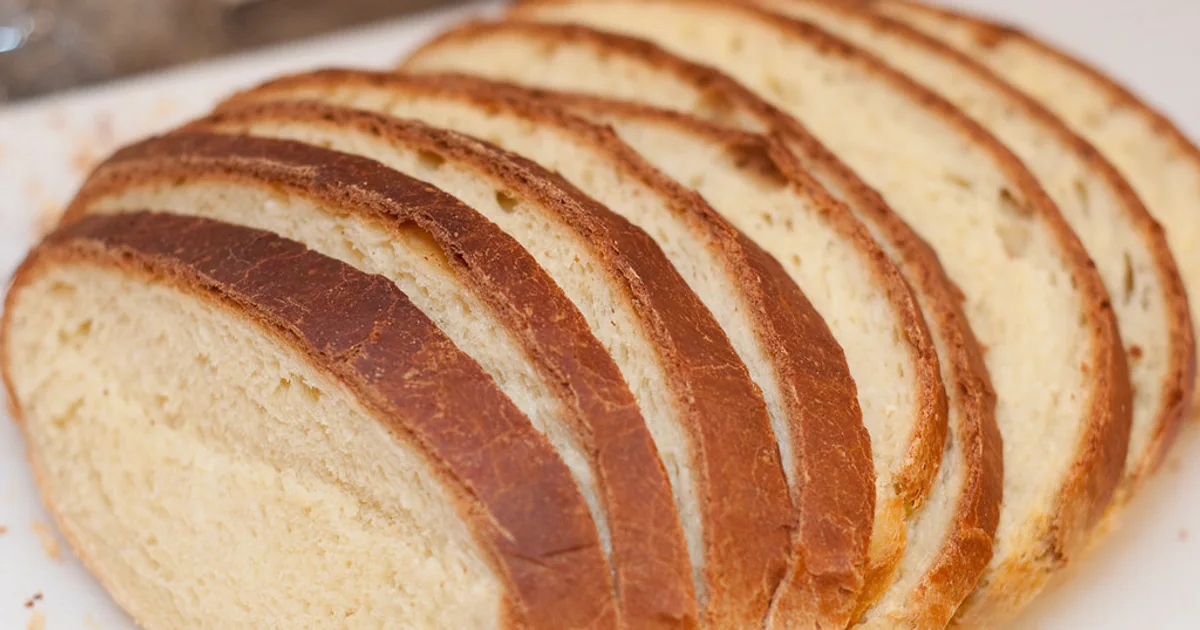
Is L-Cysteine (E920) Halal? The Bread Additive With a Hidden Source
L-cysteine (E920) in bread can be derived from human hair, duck feathers, or synthetic production. Human hair source is haram. Synthetic E920 is halal. Here's how to tell.

Is Isinglass Halal? The Fish-Derived Fining Agent in Beer and Juice
Isinglass is a fish bladder-derived fining agent used to clarify beer, wine, and some juices. It is haram in alcoholic drinks. In non-alcoholic products, it is mushbooh.

Is Casein Halal? Milk Protein in Cheese, Protein Powders and Dairy
Casein is a milk protein that is generally halal — but the rennet used in its production process may not be. Learn when casein is a halal concern and when it is not.

Are Enzymes Halal? Lipase, Protease, and Food Processing Enzymes Explained
Enzymes on food labels are mushbooh — they can be animal, microbial, or plant-derived. Porcine lipase is haram. Here's how to identify the concern and when to ask.

Is Vanilla Extract Halal? Alcohol Content Explained
Vanilla extract contains 35%+ alcohol. Vanilla paste and powder are safer alternatives. Learn the difference, what labels to look for, and which vanilla products are halal.
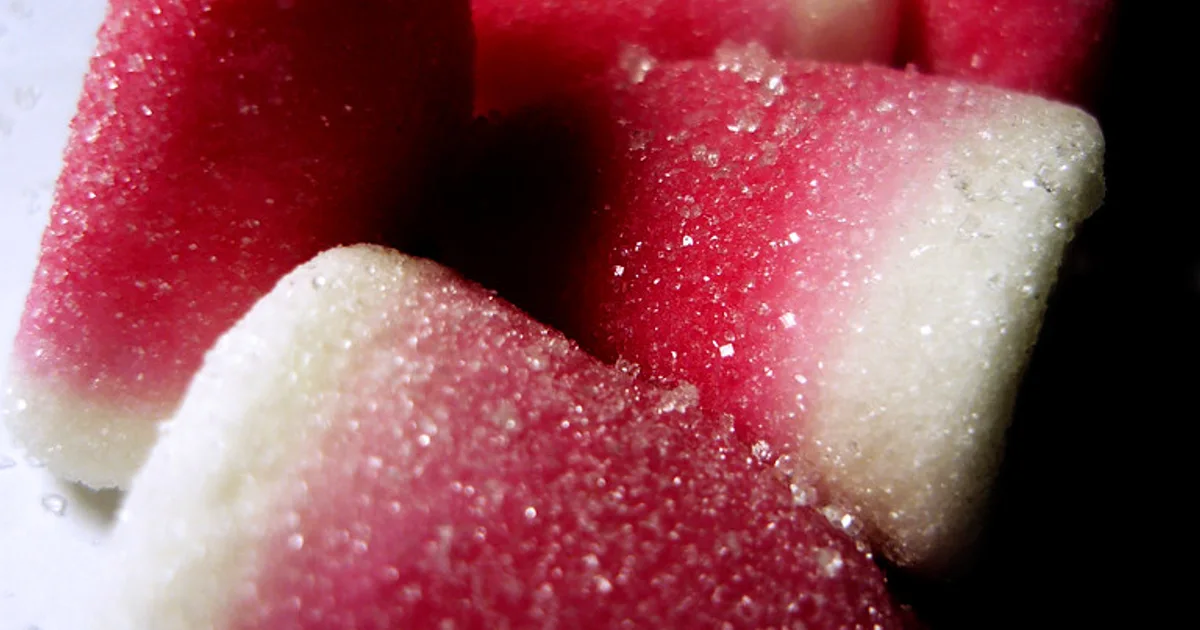
Is Shellac (E904) Halal? The Insect-Derived Glazing Agent
Shellac (E904) is a resin secreted by lac insects used to coat confectionery and apples. Most scholars consider it haram. Here's what to look for on labels.

Is Rennet Halal? Cheese, Calf Rennet, and Microbial Alternatives
Rennet in cheese can be halal or haram depending on the source. Animal rennet from pigs is haram. Microbial rennet and FPC are widely considered halal. Here's how to check.
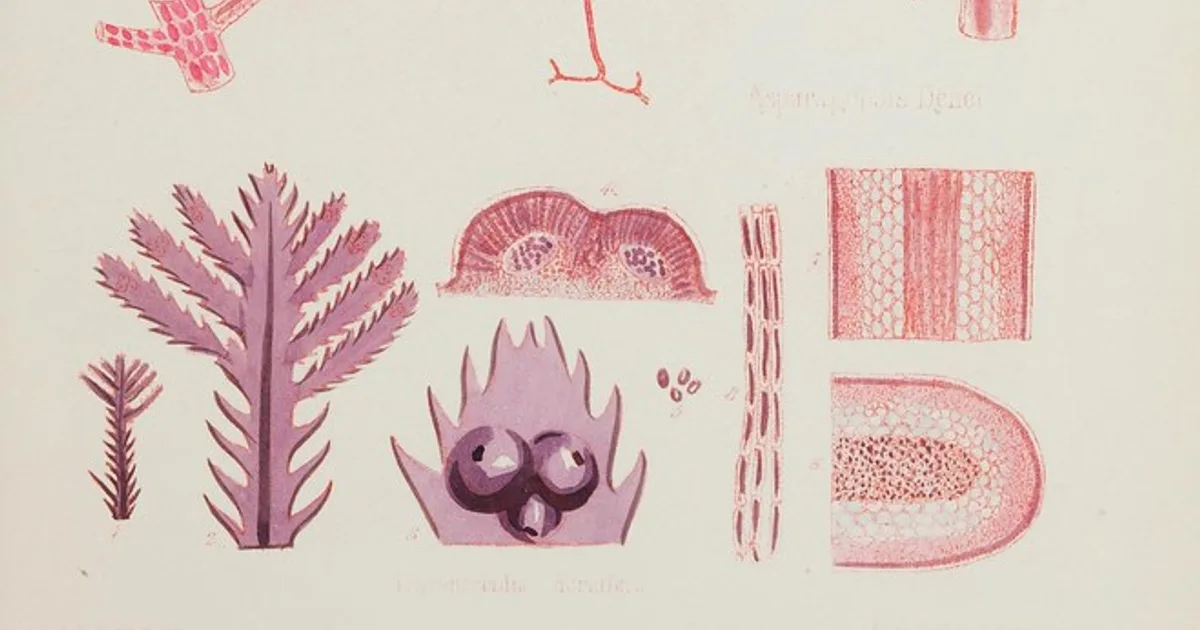
Is Carrageenan (E407) Halal? The Seaweed Thickener Explained
Carrageenan (E407) is derived from red seaweed and is halal — no animal ingredients, no haram processing. Learn where it is used and why it is safe for Muslim shoppers.
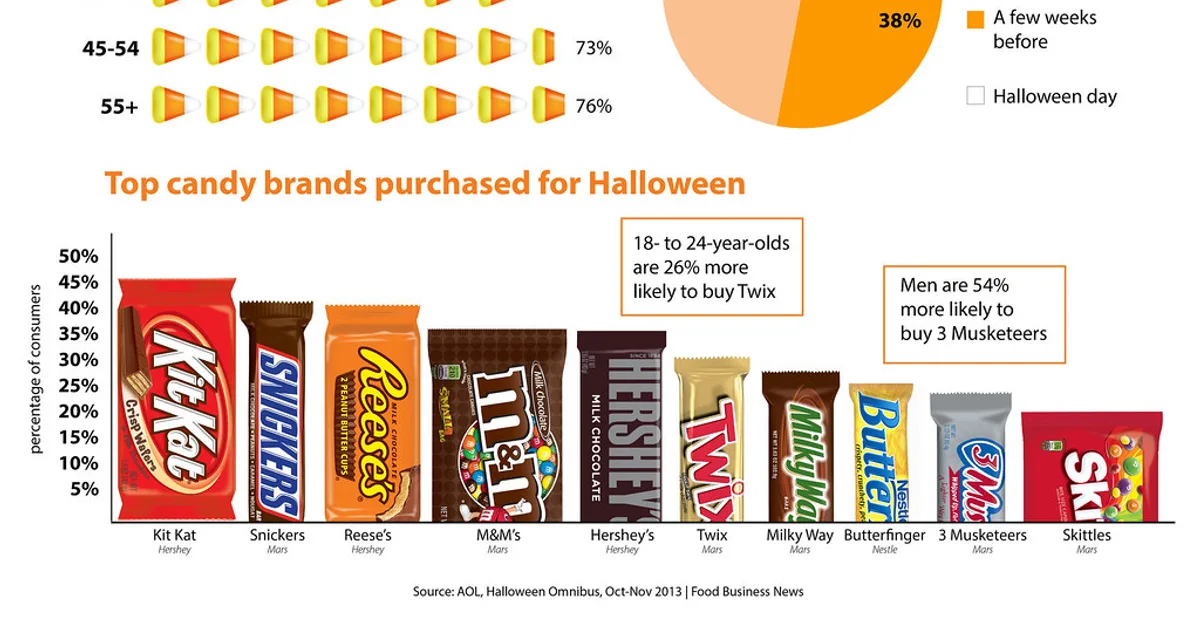
Is Chocolate Halal? The E-Codes to Check & Brands Ranked (2026)
Plain chocolate (cocoa + sugar + milk) is halal. The risk comes from E471, E442, E120, and E441. Here's which UK brands pass and exactly what to check on any label.