
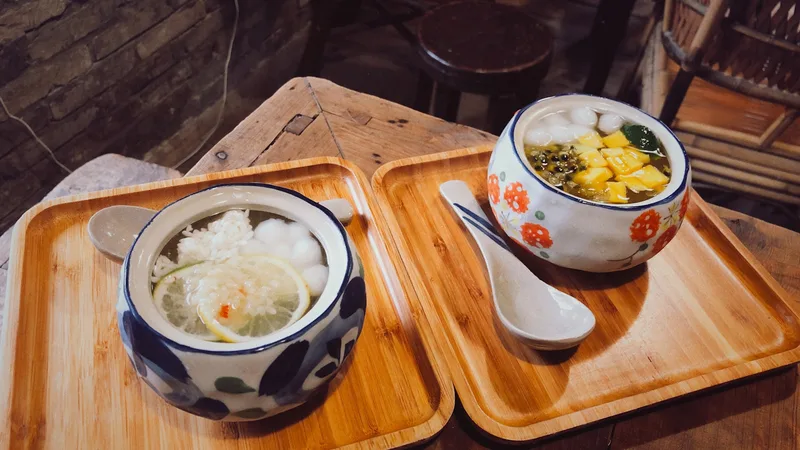
E-Codes in Soups
7 additives commonly found in this food type
⚠️ 5 additives require source verification
Are Soups halal?
Soups commonly contain 7 food additives, of which 2 are Halal, 5 are Mushbooh and 0 are Haraam. E140 (Chlorophyll) and E160F (Ethyl ester of Beta-apo-8-cartonoic acid) require source verification - the same additive can be plant-derived (halal) or animal-derived (haraam) depending on the manufacturer. Look for a halal certification logo or contact the brand directly.
Key concerns in Soups
These additives are the most important to verify before purchasing.
Source: plant leaves (spinach, nettles, grass) - extracted using organic solvents
The pigment itself is plant-derived and halal. However, alcohol-based solvents are commonly used in extraction, which makes the final pro…
Source: plant-derived carotenoid ester - may use gelatin as carrier
Same concern as E160a and E160e - verify gelatin carrier source. Fish gelatin (halal) is used in USA; pork or beef gelatin may be used …
Source: red beetroot (plant)
Plant-derived. Halal if extracted with water. Mushbooh if alcohol-based solvents used. Most commercial production uses water extraction …
Verify the source before buying
5 additives in soups are source-dependent. The label alone is insufficient - you need to know whether the additive was derived from plant, animal, or synthetic sources.
💡 "Suitable for vegetarians" is a useful shortcut - it typically rules out pork-derived fats and animal-derived gelatine.
Related Food Categories
These food types share E-codes with soups:
Was this page helpful?