
You’re reading a snack label. Flour, sugar, salt - so far so good. Then: E320, E471, E621, E120.
What are those? Are they safe? And the question that actually keeps you standing in the aisle: are they halal?
Here’s the reality: some E-Codes are completely halal (like vitamin C). Others are haram (like carmine, made from crushed beetles). And many fall in between - their halal status depends entirely on how they’re sourced.
Over 15,000 Muslim shoppers use HalalCodeCheck every month to cut through this confusion. This guide gives you the same knowledge - no chemistry degree required.
What Are E-Codes?
E-codes are codes used in the European Union to identify food additives. The “E” stands for “Europe,” but these codes are recognized in many countries worldwide.
Think about it: Would you rather fit “mono and diglycerides of fatty acids” on a tiny label, or just write “E471”?
E-Codes make labels shorter, clearer, and regulated. When you see an E-number, it means that additive has been approved as safe by food authorities. But “safe” doesn’t automatically mean “halal.”
The E-Number System
E-Codes are organized by function. Here’s the complete breakdown:
| Range | Category | Common Use | Halal Concerns |
|---|---|---|---|
| E100-E199 | Colors & Dyes | Food coloring | Medium - Watch E120 (beetles) |
| E200-E299 | Preservatives | Prevent spoiling | Low - Mostly synthetic/safe |
| E300-E399 | Antioxidants | Prevent oxidation | Low - Often vitamins like E300 |
| E400-E499 | Emulsifiers | Texture/consistency | High - Check E471, E441 |
| E500-E599 | pH Regulators | Control acidity | Low - Usually minerals |
| E600-E699 | Flavor Enhancers | Boost taste | Medium - Check E621 source |
The Halal Challenge with E-Codes
Here’s why E-Codes create confusion for shoppers: The same E-number can be halal or haram depending on how it’s made.
For example, E471 (Mono and Diglycerides) can be derived from plant oils (halal), beef fat from zabiha (halal), beef fat from non-zabiha (not halal), or pork fat (haram). The E-Code doesn’t tell you which source was used.
This is why verification tools become essential for the third category of E-Codes that “depend on source.”
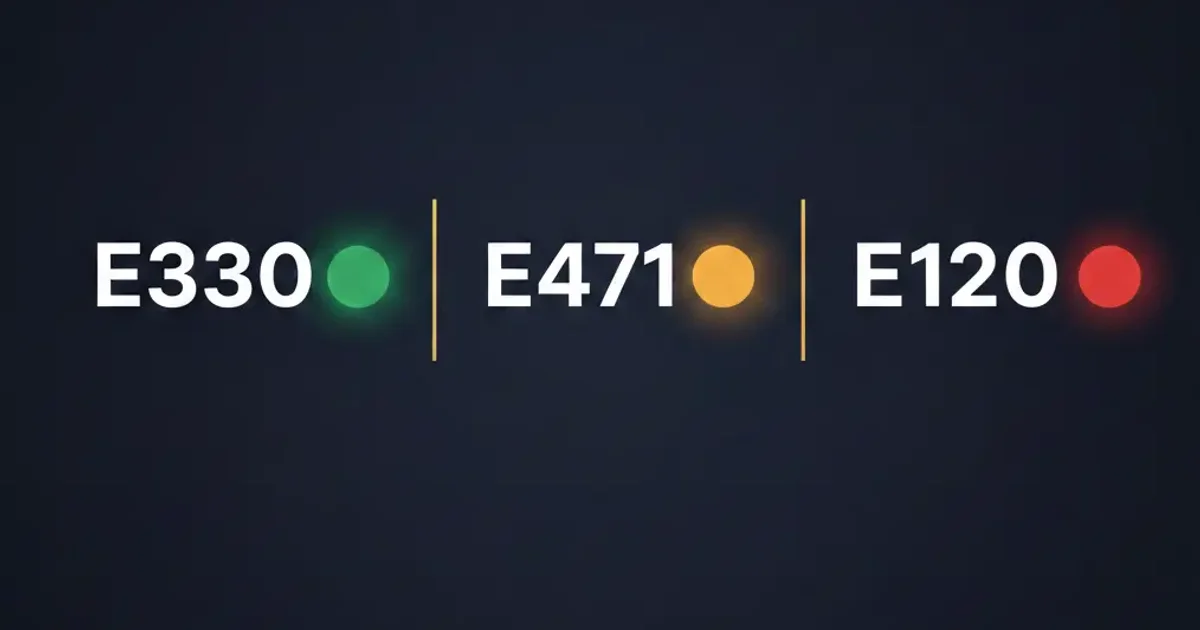
E-Code Halal Status Categories
🟢 Always Halal (Safe to consume)
- Synthetic chemicals (E202, E300)
- Plant-based (E163, E160b)
- Minerals (E170, E500)
🟡 Depends on Source (Verify before consuming)
- Can be plant or animal (E471, E472)
- Manufacturing method matters (E304, E306)
- Need manufacturer confirmation
🔴 Usually Haram (Avoid unless certified)
- Insect-derived (E120)
- Animal-derived without verification (E441)
- Alcohol-based processing
How to Check If E-Codes Are Halal
You can’t just memorize all 370+ E-Codes. Here’s a practical system:
Step 1: Look for Halal Certification
If the product has a halal logo from a recognized certifier (IFANCA, HFA, HMC, etc.), all e-codes in that product have been verified as halal.
Step 2: Use the HalalCodeCheck App
Scan the ingredient list or search for specific E-Codes:
- Get instant halal status for each E-number
- See source information when available
- Save verified products to your favorites
Step 3: Check E-Code Category
- E100-E199 (Colors): Many questionable (watch for E120)
- E200-E299 (Preservatives): Mostly halal
- E400-E499 (Emulsifiers): Many questionable (verify E441, E471, E472)
Step 4: Contact the Manufacturer
- Ask: “What is the source of E[code] in [product]?”
- Ask: “Is E[code] plant-based or animal-based?”
🔍 Quick Verification Steps
- Check for halal certification → If yes, all e-codes are verified ✅
- Scan with HalalCodeCheck → Get instant status for each E-number
- Check E-number range:
- E100-E199 (Colors) → Many questionable, verify E120
- E400-E499 (Emulsifiers) → High risk, check E441, E471, E472
- Contact manufacturer → Ask about specific sources when uncertain
Common E-Codes You’ll See
Here are the most common e-codes you’ll encounter on product labels:
E120 - Carmine (Cochineal)
- What it is: Red dye from crushed beetles
- Found in: Red candies, strawberry yogurt, fruit drinks, lipstick
- Halal status: ❌ HARAM (insect-derived)
- Why: All insects except locusts are haram in Islam
E471 - Mono and Diglycerides
- What it is: Emulsifier from fats/oils
- Found in: Bread, ice cream, margarine, cakes, chocolates
- Halal status: ⚠️ DEPENDS on fat source
- Sources: Can be from plant oils (halal), beef (halal if zabiha), or pork (haram)
E300 - Ascorbic Acid (Vitamin C)
- What it is: Antioxidant and preservative (Vitamin C)
- Found in: Juices, cereals, baked goods, supplements, canned foods
- Halal status: ✅ HALAL
- Why: Synthetic or plant-derived vitamin, no animal sources
E621 - MSG (Monosodium Glutamate)
- What it is: Flavor enhancer from fermented glutamate
- Found in: Chips, instant noodles, savory snacks, restaurant food
- Halal status: ⚠️ MUSHBOOH (Verify source)
- Why: Usually made through bacterial fermentation (halal), but depends on culture media. Halal if certified or from plant-based media. Not halal if yeast is grown on pork-based media.
E441 - Gelatin
- What it is: Protein from animal collagen
- Found in: Gummy candies, marshmallows, yogurt, capsules
- Halal status: ⚠️ DEPENDS on animal source
Frequently Asked Questions
Are all E-Codes halal?
No. E-Codes are simply identification codes for food additives - they don’t indicate halal status. Some E-Codes are always halal (plant-based or synthetic), some are always haram (insect or pork-derived), and many depend on their source material.
Is E471 halal or haram?
E471 (Mono and Diglycerides) can be either halal or haram depending on its source. If derived from plant oils, it’s halal. If derived from pork fat, it’s haram. If from beef, it depends on whether the animal was slaughtered according to Islamic guidelines. Always verify with the manufacturer or look for halal certification.
Which E-Codes should Muslims avoid?
The main E-Codes to watch out for are:
- E120 (Carmine) - Always haram, made from crushed beetles
- E441 (Gelatin) - Usually haram unless from halal-certified fish or zabiha animals
- E471, E472 (Mono/Diglycerides) - Questionable, verify the fat source
- E904 (Shellac) - From insects, considered haram by most scholars
How can I check if an E-Code is halal?
Use a verification tool like HalalCodeCheck to scan ingredient lists and get instant halal status. You can also check for halal certification on the product, or contact the manufacturer directly to ask about the source of specific additives.
Are E-Codes safe to eat?
Yes, all E-Codes have been approved as safe for human consumption by food authorities. The “E” designation means the additive has passed safety testing. However, “safe” refers to health safety, not halal compliance - these are separate considerations.
What To Do Next
E-Codes aren’t scary once you know the system. You don’t need to memorize 370+ codes - you need a reliable way to check them.
Here’s your action plan:
- Bookmark the E-codes database - instant lookup for 370+ codes including E120, E441, E471, and more
- Try Verify Ingredients - scan any product label and get halal status in seconds
- Save this guide - come back to the reference tables above whenever you need them
Thousands of Muslim families already use HalalCodeCheck to shop with confidence. The next time you see a confusing E-number, you’ll know exactly what to do.
Related Articles
 How-To Guides
 How to Scan Food Labels with HalalCodeCheck
Step-by-step guide to scanning ingredient labels for halal verification. Tips for lighting, positioning, and getting accurate results every time.
 How-To Guides
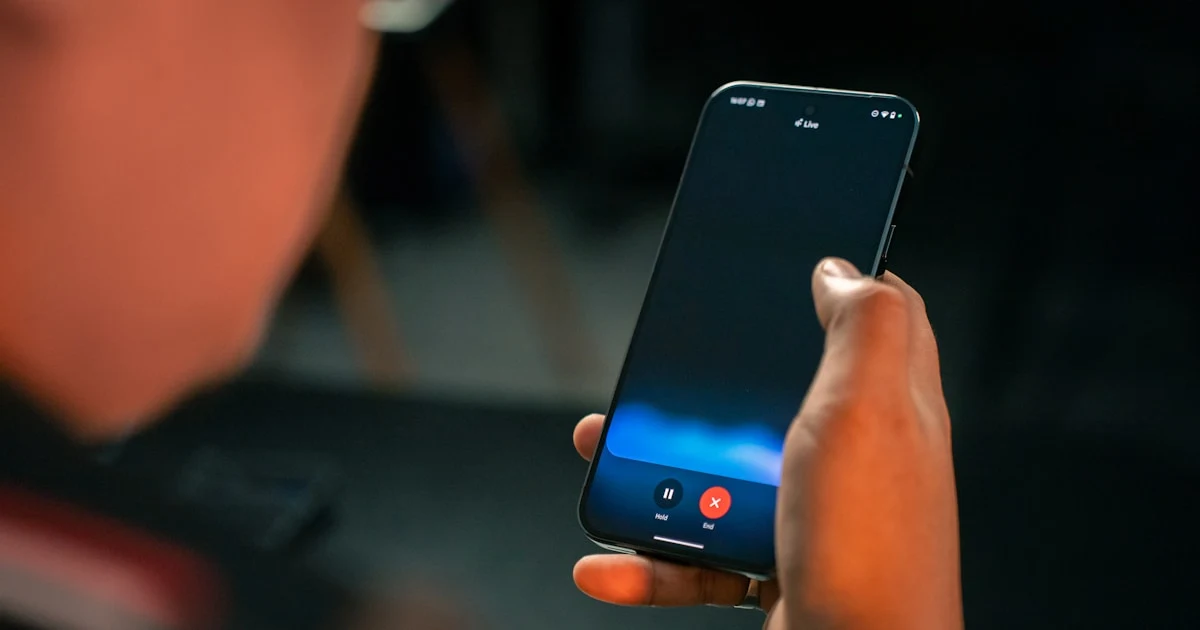
 How to Use Voice Search to Check E-Codes
A step-by-step guide to using voice search on HalalCodeCheck. Say one E-code or several at once and get instant halal status without typing.
 How-To Guides
 Understanding Halal, Mushbooh, and Haraam Status
What do Halal, Mushbooh, and Haraam mean for food additives? A clear guide to interpreting E-code statuses and making confident decisions while shopping.
Ready to verify E-codes instantly?
Stop guessing about food ingredients. Use HalalCodeCheck to scan products and get instant halal verification.