
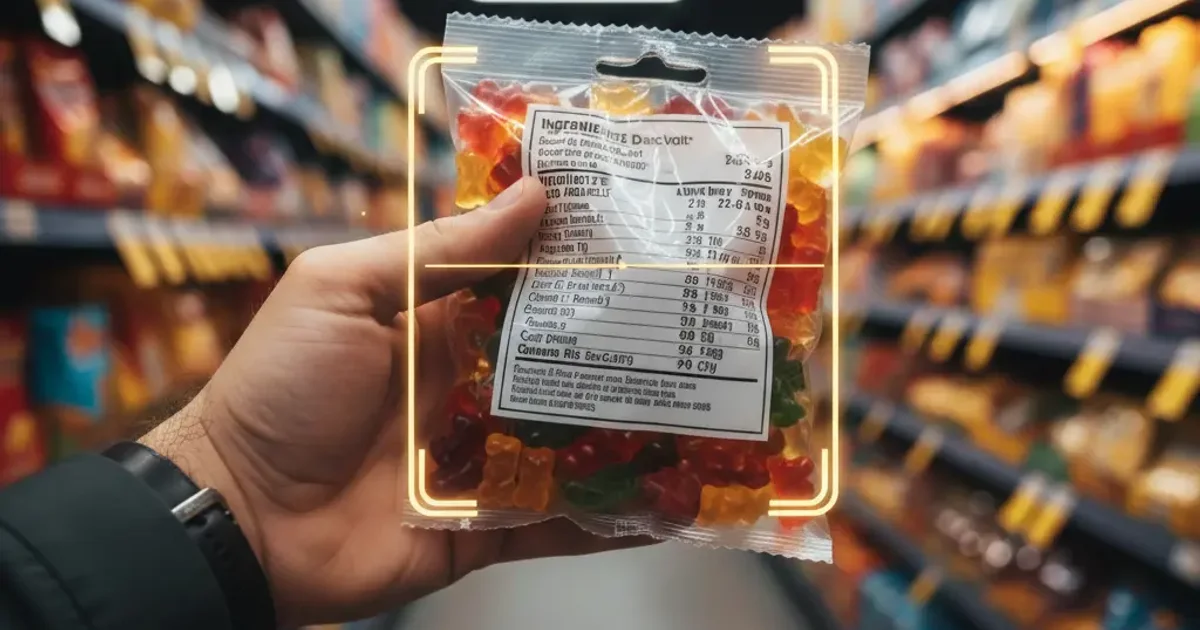
Your kid asks for gummy bears at the checkout. You flip the package over, scan the ingredients, and there it is: gelatin.
Is it from pork? Beef? Fish? The label doesn’t say - and now a simple yes-or-no has turned into a research project while your kids wait.
Here’s the hard truth: 60-80% of gelatin in Western products comes from pork. If the label just says “gelatin” with no qualifier, it’s most likely not halal.
But you don’t have to guess. This guide covers everything - what gelatin is, how to spot it, which sources are halal, and the plant-based alternatives that make this whole problem disappear.
What Is Gelatin?
Gelatin is a protein derived from collagen, which is found in the skin, bones, and connective tissues of animals. When collagen is boiled and processed, it turns into gelatin - a clear, flavorless substance that becomes gel-like when cooled.
Food companies use gelatin because it’s versatile: it gives gummy candies their chew, helps yogurt and desserts set properly, creates clear gels, and costs less than plant-based alternatives.
Where Gelatin Comes From
Here’s what makes gelatin a halal concern: it’s almost always animal-derived. And not all animal sources are halal.
| Source | Halal Status | Availability | Key Details |
|---|---|---|---|
| Pork Gelatin | ❌ Haram | Very Common (60-80%) | From pig skin/bones. Never halal under any circumstance. Default in Western products. If a product doesn’t specify the gelatin source, assume it’s pork. |
| Beef Gelatin | ⚠️ Depends | Less Common | Only halal if from zabiha-slaughtered animals. “Beef gelatin” label doesn’t guarantee halal -you need confirmation about slaughter method. |
| Fish Gelatin | ✅ Halal | Rare | From fish skin/scales. Always halal (no zabiha required). Usually advertised on label because it appeals to multiple dietary groups. |
| Plant-Based | ✅ Halal | Growing | Agar-agar (seaweed), pectin (fruits), carrageenan (seaweed). Always safe for halal consumers. |
Hard truth: If a product doesn’t specify the gelatin source, assume it’s pork in Western countries.
Products That Contain Gelatin
You’d be surprised how many everyday products contain gelatin. Here’s where to watch out:
| Category | Common Products | Halal Risk Level |
|---|---|---|
| Sweets & Candy | Gummy candies, marshmallows, certain chocolates, jelly beans, fruit snacks | 🔴 High Risk |
| Dairy Products | Yogurt (especially fruit-flavored), cream cheese, sour cream, desserts | 🟡 Medium Risk |
| Breakfast Foods | Frosted cereals (Frosted Mini-Wheats), Pop-Tarts, granola bars | 🟡 Medium Risk |
| Pharmaceuticals | Soft gel capsules, hard capsules, gummy vitamins, multivitamins | 🔴 High Risk |
How to Identify Gelatin on Labels
On ingredient lists, gelatin appears as: Gelatin, Gelatine (UK spelling), E441 (European food code), Hydrolyzed collagen, or Collagen.
E-Code Alert: Gelatin is also listed as E441 on European labels. Our E-codes database provides instant verification of gelatin sources and 370+ other food additives.
Here’s the frustrating part: Ingredient labels usually just say “gelatin.” They don’t specify what animal it’s from, how the animal was slaughtered, or whether it’s halal-certified. You have to dig deeper.
🔍 Quick Label Check
✅ Safe Indicators:
- “Halal certified” logo
- “Made with fish gelatin”
- “Gelatin-free” or “No animal products”
- “Suitable for vegetarians” (means plant-based alternative)
- “Made with pectin” or “Made with agar”
❌ Red Flags:
- Just says “gelatin” with no qualification (assume pork in Western products)
- “Kosher gelatin” (doesn’t automatically mean halal)
- No certification marks
Plant-Based Gelatin Alternatives
The good news is that plant-based alternatives exist and are becoming more common. Here’s what to look for:
| Alternative | Source | Best For | Label Keywords |
|---|---|---|---|
| Pectin | Fruits (apples, citrus) | Gummies, jams, fruit snacks | ”Made with pectin”, “Pectin-based” |
| Agar-Agar | Seaweed | Desserts, jellies, puddings | ”Agar”, “Vegetarian gel” |
| Carrageenan | Red seaweed | Dairy products, desserts | ”Carrageenan”, “Irish moss” |
| Konjac | Konjac plant root | Gummies, noodles | ”Konjac”, “Glucomannan” |
What to Look For When Shopping:
- “Suitable for vegetarians” - Means no animal-derived gelatin
- “Gelatin-free” - Explicitly states no gelatin used
- “Made with pectin” - Plant-based gelling agent
- “Vegetarian capsule” - For vitamins and supplements
- Halal certification logos - IFANCA, HFA, HMC, or local certifiers
- Vegan products - Always gelatin-free by definition
Frequently Asked Questions
Is gelatin always haram?
No, but most gelatin is. Around 60-80% of gelatin in Western products comes from pork, which is always haram. Beef gelatin is only halal if from zabiha-slaughtered animals. Fish gelatin is always halal and doesn’t require special slaughter, but it’s rare in mainstream products.
Is beef gelatin halal?
It depends. Beef gelatin is only halal if the cow was slaughtered according to Islamic guidelines (zabiha). Simply being “beef” doesn’t make it halal - the slaughter method matters. If a product says “beef gelatin” without halal certification, you cannot assume it’s permissible.
What can Muslims use instead of gelatin?
Several plant-based alternatives exist: Agar-agar (from seaweed) works great for desserts and jellies. Pectin (from fruits) is used in jams and gummy candies. Carrageenan (from seaweed) is common in dairy products. Look for products labeled “gelatin-free” or “suitable for vegetarians.”
How do I know if gelatin is from pork?
Unfortunately, labels rarely specify the source. In Western countries, if a product just says “gelatin” without any qualifier, assume it’s pork. Safe indicators include: halal certification logos, “fish gelatin” or “beef gelatin (halal)” on the label, or “suitable for vegetarians” (meaning no animal gelatin).
Is kosher gelatin halal?
Not necessarily. Kosher standards differ from halal requirements. Some kosher gelatin comes from fish (which would be halal), but kosher beef gelatin may not meet zabiha requirements. Always verify with halal certification rather than relying on kosher labels.
What To Do Next
Three things to remember about gelatin:
- Most gelatin is NOT halal - 60-80% comes from pork
- Beef gelatin needs zabiha verification - “beef” alone isn’t enough
- Plant-based alternatives exist - pectin, agar-agar, and carrageenan are always safe
Here’s how to put this into practice:
- Scan your next product label - get instant halal status for gelatin and 370+ other additives
- Start a family safe list - once you verify a product, you never need to check it again
- Learn the E-code system - gelatin (E441) is just one of many additives worth knowing
Your kids don’t have to miss out on treats. They just need halal ones - and now you know exactly how to find them.
Related Articles
 How-To Guides
 How to Scan Food Labels with HalalCodeCheck
Step-by-step guide to scanning ingredient labels for halal verification. Tips for lighting, positioning, and getting accurate results every time.
 How-To Guides
 How to Use Voice Search to Check E-Codes
A step-by-step guide to using voice search on HalalCodeCheck. Say one E-code or several at once and get instant halal status without typing.
 How-To Guides
 Understanding Halal, Mushbooh, and Haraam Status
What do Halal, Mushbooh, and Haraam mean for food additives? A clear guide to interpreting E-code statuses and making confident decisions while shopping.
Ready to verify E-codes instantly?
Stop guessing about food ingredients. Use HalalCodeCheck to scan products and get instant halal verification.